



Start with Smarter Pots
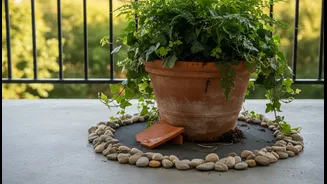
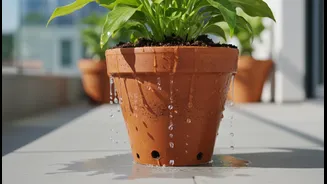
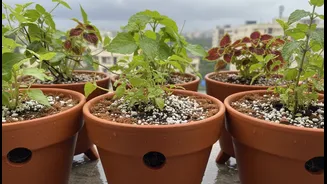
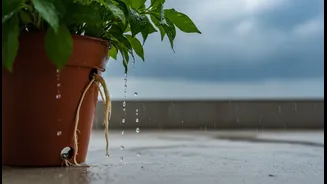
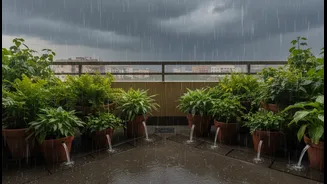
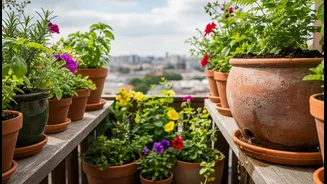
The first line of defence against waterlogging is your container. Ensure every pot has multiple, unobstructed drainage holes at the bottom. Terracotta or unglazed clay pots are excellent choices as their porous nature allows excess moisture to evaporate
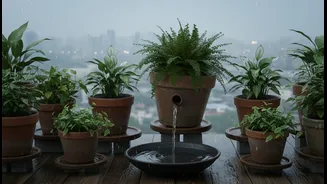
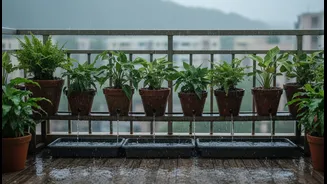
through the walls, helping the soil to breathe. If you use plastic pots, which retain more moisture, having ample drainage holes is even more critical. Consider elevating your pots using 'pot feet,' bricks, or simple tiles. Lifting the container even slightly off the ground prevents the drainage holes from getting blocked and allows water to escape freely instead of pooling underneath. This simple step also improves air circulation around the base, which helps prevent rot and protects your deck or patio surface from moisture stains.
The Secret is the Soil
Standard garden soil is too dense for containers and can quickly become a compact, muddy mess during heavy rains. The key to a rain-proof balcony garden is a light, fluffy, and well-draining potting mix. You can buy pre-made mixes designed for containers, often labelled for cacti and succulents, which have excellent drainage properties. Alternatively, create your own superior mix by combining regular potting soil with materials that improve aeration and drainage. Additives like perlite (small white volcanic rocks), coarse sand, or coco coir work wonders. A good recipe is one part soil, one part compost for nutrients, and one part perlite or coarse sand. This creates a balanced medium that holds enough moisture for the plant without becoming saturated.
Debunking a Common Drainage Myth
For generations, gardeners have been told to add a layer of gravel or broken pot shards to the bottom of containers to improve drainage. However, horticultural science has shown this to be a persistent myth that is actually counterproductive. Water does not move easily from a fine-textured material (like soil) to a coarse-textured one (like gravel). Instead of flowing out, water tends to collect in the soil just above the gravel layer, effectively raising the water table inside the pot and bringing the saturated zone closer to your plant's delicate roots. This creates the very waterlogged conditions you're trying to avoid. For healthy roots and optimal drainage, it's far better to fill the entire pot with a high-quality, well-draining soil mix.
Strategic Placement and Protection
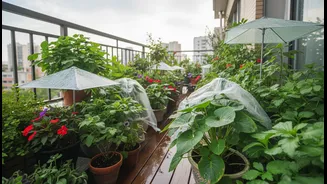
Where you place your plants matters. If possible, group more sensitive plants like succulents or cacti in a spot that receives some protection from the heaviest downpours, such as under an eave or overhang. For plants that must remain exposed, consider using stakes to support them against strong winds that often accompany rainstorms. You can also create temporary shields. Draping a plastic sheet over stakes placed in the pots can act as a mini-greenhouse, deflecting the hardest rain while still allowing for air circulation. Another simple trick is to slightly tilt smaller pots so that water runs off the surface rather than pooling and soaking in.
Post-Rain Plant Care
Even with the best preparation, it's wise to check on your plants after a heavy shower. Avoid the temptation to water them, as the soil will likely be moist for several days. Gently till the top layer of soil with a small trowel or fork to break up any crust that may have formed and to improve aeration. Look out for signs of stress like yellowing leaves, which can indicate root rot. Also, be vigilant for pests like slugs and fungal diseases, which thrive in damp conditions. Removing any fallen leaves or debris from the soil surface helps prevent the spread of fungus and keeps your pots looking tidy.