



Sabudana Khichdi (Maharashtra)
A quintessential fasting dish, particularly beloved in Maharashtra, Sabudana Khichdi is a testament to how simple ingredients can create profound comfort. Made from soaked tapioca pearls, it’s a light yet filling meal that provides a quick source of energy,
which is ideal for days of abstinence. The pearls are tossed with roasted peanuts for crunch, boiled potatoes for substance, and a gentle tempering of cumin seeds and green chillies. This dish perfectly embodies the principles of 'farali' or fasting food—it’s easy to digest and avoids grains, onion, and garlic, adhering to the sattvic diet observed during Sawan.
Kuttu ki Puri (Uttar Pradesh)
In North India, especially Uttar Pradesh, Sawan fasts are often made hearty with Kuttu ki Puri. Made from buckwheat flour, or 'kuttu ka atta', these puris are naturally gluten-free and packed with nutrients. The flour is typically kneaded with mashed boiled potatoes and a hint of rock salt before being rolled out and deep-fried. The result is a slightly dense, nutty-flavoured bread that pairs beautifully with a simple potato curry, 'vrat wale aloo', which is prepared without onion or garlic. This combination turns a day of fasting into a satisfying feast.
Ghevar (Rajasthan)
Ghevar is more than just a sweet; it is the definitive dessert of the monsoon season in Rajasthan and other parts of North India. Its arrival in sweet shops signals the start of Sawan and the associated festivals of Teej and Raksha Bandhan. This disc-shaped, honeycomb-textured delicacy is made by deep-frying a batter of flour and ghee, which is then soaked in sugar syrup. Often topped with malai (thickened milk) and nuts, Ghevar’s crisp and porous texture is said to be enhanced by the monsoon humidity. It is also a customary gift sent to married daughters, symbolizing love and blessings.
Malpua (Bihar & Eastern India)
Though popular across India for various festivals like Holi, Malpua holds a special place in the eastern states of Bihar and Odisha. These small, sweet pancakes are traditionally made from a batter of flour, semolina, and sometimes mashed bananas, flavoured with fennel and cardamom. After being fried in ghee until the edges are crisp, they are often soaked in sugar syrup. In regions like Bihar, the 'pua' is a festive staple, sometimes served dry without the syrup. As a sweet offering, it embodies a spirit of celebration that punctuates the otherwise restrained diet of the Sawan month.
Makhana Kheer (Bihar & Mithila Region)
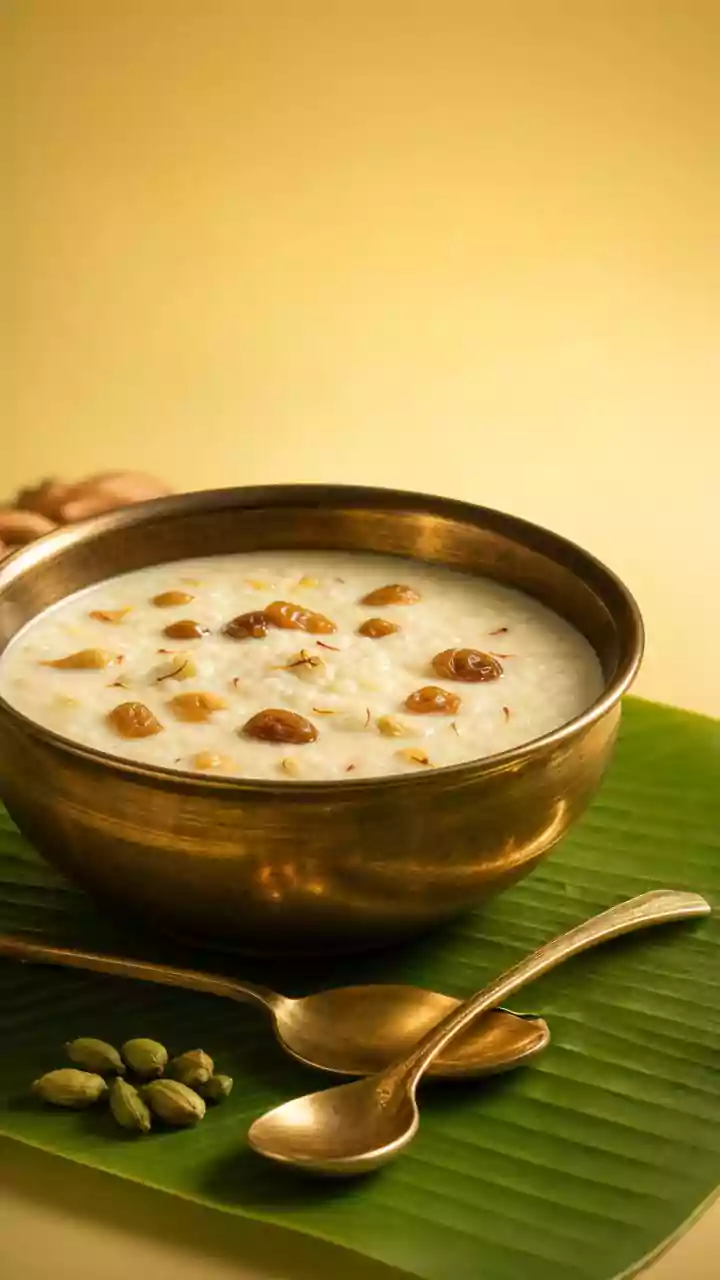
Makhana, or fox nuts, are a prized ingredient from Bihar and the surrounding Mithila region, finding their way into both everyday snacks and festive preparations. During Sawan, they are transformed into a creamy, delicate kheer. The fox nuts are lightly roasted in ghee to make them crisp, then simmered in milk until it thickens. Sweetened with sugar or jaggery and scented with cardamom and saffron, this kheer is a nutritious and light dessert ideal for breaking a fast. It's a dish that highlights a unique local ingredient while fitting perfectly within the fasting traditions.
Samak Rice Khichdi (Madhya Pradesh)
When regular rice and grains are avoided during fasts, samak rice, also known as barnyard millet, becomes a popular substitute. In Madhya Pradesh, it is commonly used to make a simple and comforting khichdi. Cooked much like its lentil-and-rice counterpart, this version combines the tiny, quick-cooking millet with potatoes, peanuts, and mild spices like cumin. The resulting dish is soft, easy on the stomach, and provides warmth, making it particularly well-suited for the cool, rainy days of the monsoon season and for maintaining energy during a fast.
Rajgira Puri (Gujarat)
In Gujarat, 'faral' food culture is rich and inventive, and Rajgira, or amaranth flour, is a key ingredient. During Sawan, Rajgira Puris are a common sight. This gluten-free flour is high in protein and helps in making the fasting meal more wholesome. The dough is often made by combining the flour with potatoes and spices, similar to kuttu puri, and then fried. These puris are light and pair well with vegetable curries made from gourds or potatoes, and a side of yogurt. It showcases how different regions have adapted specific flours to create fulfilling meals that adhere to the rules of Sawan fasting.