
A New Festive Landscape
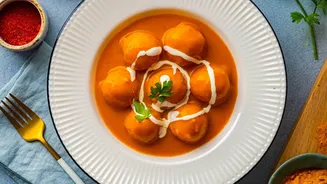
Across India, the traditional festive spread is getting a modern makeover. While classic dishes remain beloved, a growing number of chefs and adventurous home cooks are experimenting with new combinations. Imagine a Diwali party where gulab jamun cheesecake
is served for dessert, or where tacos are filled with tandoori cauliflower and avocado chutney. This isn't about replacing tradition but expanding it. The result is a vibrant culinary scene where paneer might be layered into a lasagna or a classic croissant could be filled with chicken tikka or gulab jamun. This shift reflects a broader transformation in India's food landscape, driven by curiosity and a desire for novel experiences.
What's Driving the Change?
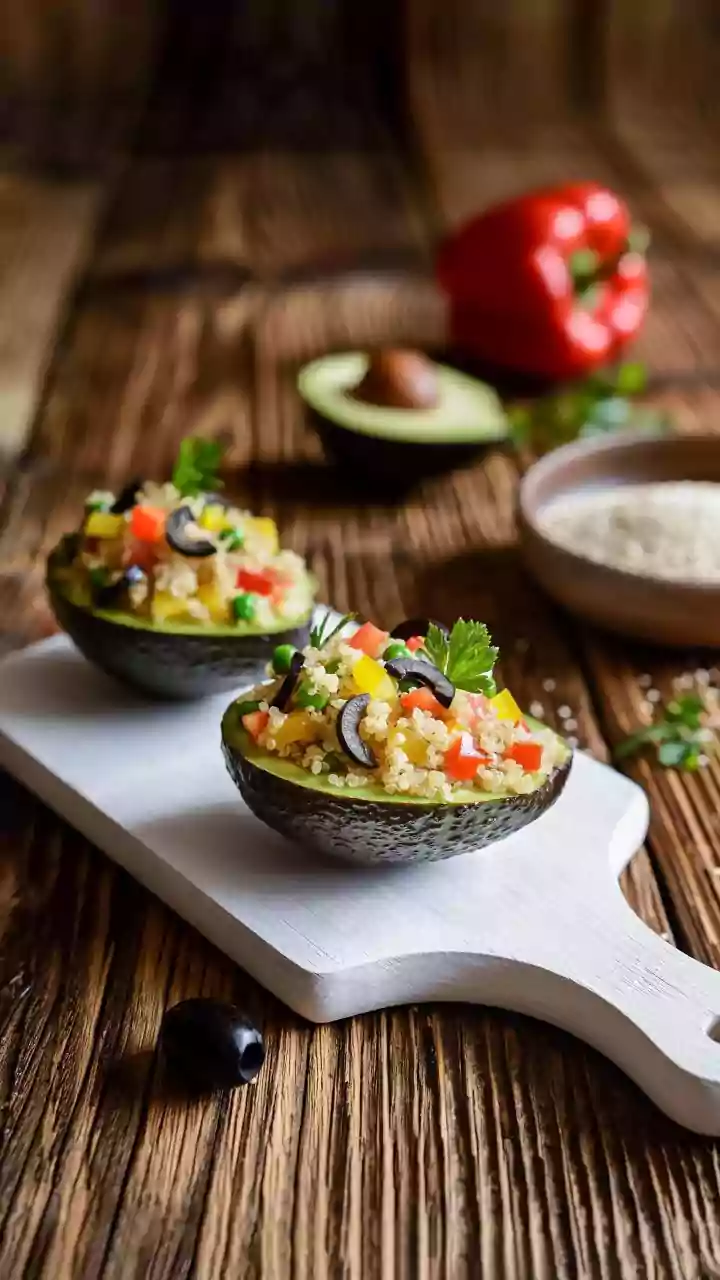
Several factors are stirring this pot of innovation. Increased global travel and media exposure have introduced a wider range of flavours and cooking styles to the Indian palate. Diners are more curious and open to trying global formats, from Italian pasta to Mexican tacos, but they still appreciate a connection to familiar Indian tastes. This has created fertile ground for fusion cuisine. Furthermore, there's a growing consciousness around health and wellness. This has led to the incorporation of ingredients like millets, quinoa, and avocado, and a preference for lighter cooking methods such as baking or air-frying instead of deep-frying traditional snacks like gujiya.
Chefs Leading the Charge
Professional chefs are at the forefront of this movement, skillfully blending international techniques with Indian flavours. They are deconstructing and reimagining classic dishes, proving that innovation and authenticity can coexist. For instance, chefs are creating dishes like masala chai semifreddo, sweet ravioli stuffed with paneer, and even masala-spiced French toast. This creativity isn't confined to fine-dining establishments in major cities; it's inspiring a new generation of food entrepreneurs and home cooks. Chefs have noted that while it was once necessary to simplify Indian food for a global audience, today's diners are seeking authentic, regional stories behind their food, which encourages even more creative yet rooted cooking.
From Ingredients to Techniques
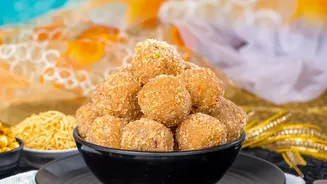
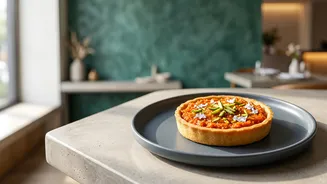
The fusion extends beyond just pairing different cuisines. Global ingredients are finding their way into traditional recipes, like apples in jalebis or peaches in phirni. Superfoods are also being integrated, resulting in healthy and flavourful creations like beetroot tofu barfi and oats sesame ladoo. Techniques are also being borrowed and adapted. The use of European baking traditions has led to a rise in savoury croissants, paneer and cranberry nut roasts, and saffron macarons with cardamom-spiced ganache. The goal is often to enhance, not overpower, the original dish. The core spice profile that defines a festive dish often remains, providing a familiar anchor for the new ingredients and textures.
Tradition Reimagined, Not Replaced
This trend does not signal the end of traditional festive food. Rather, it represents an evolution and a celebration of India's dynamic culinary identity. As noted by Chef Sanjeev Kapoor, the key is to make sensible changes while keeping the soul of the dish intact. The warmth and emotional connection tied to festive foods—memories of family, celebration, and togetherness—remain central. By blending global influences, Indian cuisine is demonstrating its remarkable versatility and cementing its place as a global culinary powerhouse. The festive table of today is a testament to a culture that is confident in its traditions and excited about the future.