





The Rise of the Micro-Vacation
The traditional concept of saving up leave for one big holiday a year is quietly being replaced by a more dynamic approach to travel. Indians are now opting for several shorter, experience-focused trips, often called "micro-vacations" or "micro-holidays".
These are typically two to four-day escapes planned around weekends, designed for quick rejuvenation without exhausting annual leave balances. Recent travel reports show a significant trend where travellers prefer multiple short trips over a single long one. According to a July 2026 report, the average domestic trip now lasts just 1.7 nights, with a third of bookings made only days before travel, highlighting a move towards spontaneity. This shift signifies that travel is evolving from an occasional event into a regular habit woven into the fabric of modern Indian life.
What's Driving This Weekend Rush?
Several factors are fuelling this change. The post-pandemic era has reshaped attitudes towards work and life, with a greater emphasis on mental well-being and experiences. The rise of hybrid and remote work models offers professionals the flexibility to take short breaks without completely disconnecting. Improved infrastructure, especially better road connectivity, has made drivable destinations more accessible, encouraging spontaneous road trips. Cities like Mumbai, Bengaluru, and Delhi are now hubs for weekend travel to nearby spots like Alibaug, Nandi Hills, and Neemrana. Furthermore, this trend is strongly driven by younger generations. A recent survey revealed that seven in ten Gen Z travellers prefer taking three short trips over one long holiday, seeing travel as a form of personal expression rather than just a break.
The New Weekend Itinerary
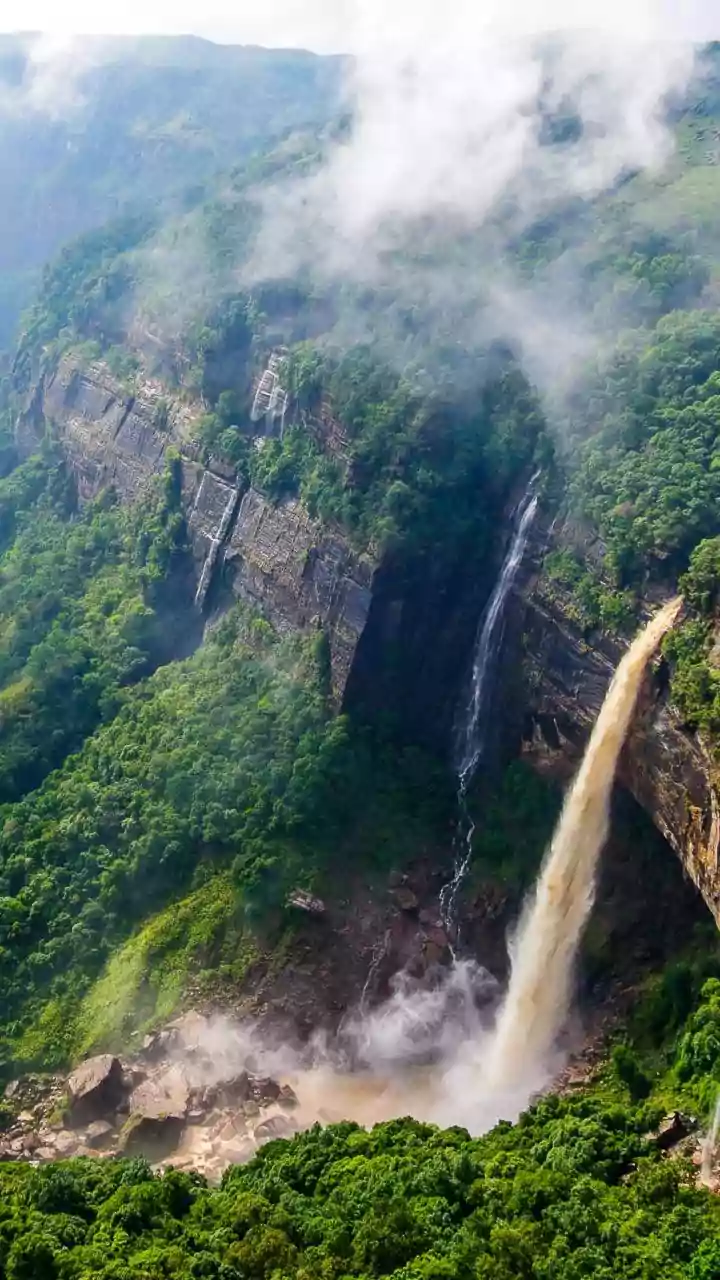
So, where are people going? The focus has shifted from tourist hotspots to more unique and personal experiences. Travellers are seeking out boutique farmhouses, wellness retreats, and pet-friendly properties for their short escapes. There's a growing interest in destinations that offer nature, adventure, and culinary exploration over crowded landmarks. While hill stations like Munnar and Mussoorie and coastal towns like Goa and Pondicherry remain popular for quick breaks, there's also a noticeable surge in travel to spiritual centres such as Varanasi and Ayodhya. Despite the shorter duration of these trips, travellers are not skimping on quality. Data shows that a majority of hotel bookings for these getaways are for four and five-star properties, indicating a preference for premium experiences concentrated into a shorter timeframe.
A Habit, Not Just a Holiday
This trend of frequent getaways reflects a fundamental change in how travel is perceived. It's no longer just an escape, but an integrated part of a balanced lifestyle. These regular breaks are seen as essential for mental and emotional well-being, a way to recharge from the demands of a fast-paced life. The planning process itself has become more fluid; the decision to spend a weekend somewhere different is often made the same week, sometimes even the same day. This habitual travel is also creating a significant economic ripple effect, boosting local economies in smaller towns and giving rise to new hospitality models centered around authentic, experience-driven stays. The micro-vacation economy is expanding beyond major metros, with a growing share of bookings coming from Tier-2 cities, making it a nationwide phenomenon.