




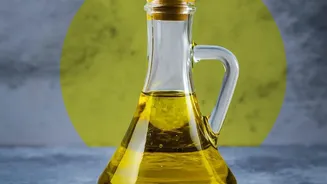

Why Smoke Point Matters in Your Kitchen
Before comparing fats, it's crucial to understand the 'smoke point'. This is the temperature at which an oil or fat begins to smoke and break down. When this happens, the fat not only loses its nutritional value but also starts to form harmful compounds,
including free radicals and acrolein, which can contribute to inflammation and other health risks if consumed regularly. For high-heat Indian cooking methods like tadka, searing, or deep-frying—where temperatures can easily exceed 200°C—using a fat that remains stable is paramount. Choosing a fat with a smoke point well above your cooking temperature ensures your food remains healthy and tastes great.
The Case for Ghee: A Traditional Powerhouse
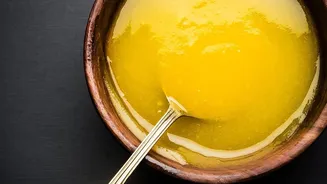
Ghee, a form of clarified butter, has been a cornerstone of Indian cooking for millennia. Its main advantage for high-heat cooking is its impressively high smoke point, typically around 250°C (485°F). This stability comes from the clarification process, where milk solids and water are removed, leaving almost pure, heat-resistant butterfat. Ghee is rich in saturated and monounsaturated fats, which are structurally more stable under heat than the polyunsaturated fats found in many vegetable oils. Beyond its stability, ghee is a source of fat-soluble vitamins like A, D, E, and K, and contains butyrate, a short-chain fatty acid known for its anti-inflammatory properties and support for gut health.
What Happens When Ghee is Infused?
Infusing ghee with herbs and spices is a practice rooted in Ayurveda, believed to enhance its therapeutic properties. From a cooking science perspective, adding herbs can introduce antioxidants. Research suggests that phenolic compounds from herbs can actually improve the oxidative stability of ghee, helping to protect it from breaking down. The herbs themselves become more bioavailable when infused in a fat like ghee. While the infusion process isn't likely to lower the smoke point significantly, it can add to the ghee’s overall nutritional value, combining the fat's stability with the antioxidant benefits of the spices.
The Rise of Cold-Pressed Oils
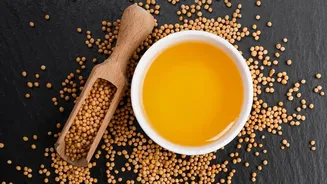
Cold-pressed oils are extracted from seeds or nuts using mechanical pressure without heat or chemicals. This method helps retain more of the oil's natural nutrients, flavour, and antioxidants compared to industrially refined oils. Popular choices in India include groundnut, coconut, and mustard oil. Their health appeal lies in being unrefined and rich in heart-healthy monounsaturated and polyunsaturated fats. However, their suitability for high heat varies dramatically. Some cold-pressed oils, like groundnut oil, have a relatively high smoke point of around 232°C, making them suitable for frying. Others, like unrefined coconut or sesame oil, have lower smoke points and are better reserved for low-to-medium heat cooking or raw applications to preserve their delicate nutrients.
The Verdict: Stability or Nutrients?
When it comes to high-heat cooking, ghee is generally the safer, more stable choice. Its predominantly saturated fat structure makes it highly resistant to oxidation and breakdown at the temperatures required for frying and searing. Infused ghee adds antioxidant benefits without compromising this stability. Cold-pressed oils offer a fantastic array of nutrients and flavours but must be chosen carefully based on the cooking method. Polyunsaturated fats, while healthy, are less stable and can degrade under high heat. For high-temperature tasks, ghee is the clear winner for safety and stability. For dressings, drizzling, and gentle sautéing, the nutritional benefits of cold-pressed oils shine.