



The Power of Protein Pairing
The conversation around plant-based protein often includes the term 'complete protein', which refers to a food source that contains all nine essential amino acids our bodies can't produce on their own. While many animal products are complete proteins,
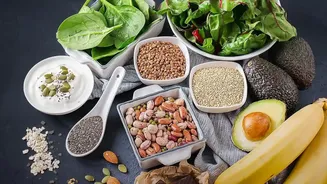
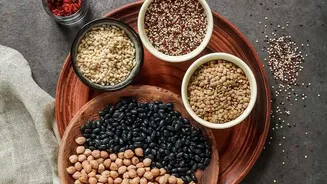
most plant sources are 'incomplete'. However, this is easily solved by protein pairing. For years, the myth that you needed to eat these complementary proteins in the same meal persisted, but nutritional science has shown that consuming a variety of plant foods throughout the day is sufficient. For example, grains are typically low in the amino acid lysine, while legumes like lentils are rich in it. By eating both, you give your body all the building blocks it needs for muscle repair and growth. Tofu, a product made from soybeans, is one of the few plant foods that is a complete protein all on its own, making it a valuable staple.
Lentils: The Endurance Fuel
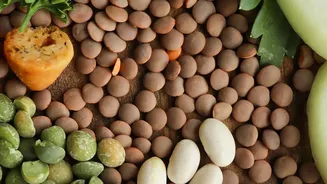
Lentils are a true nutritional workhorse for anyone with an active lifestyle. One cooked cup provides around 18 grams of protein and is packed with complex carbohydrates. These carbs are slow-digesting, which means they provide a steady, sustained release of energy, preventing the dreaded mid-workout crash. This makes them an ideal food for endurance. Furthermore, lentils are an excellent source of iron, a mineral crucial for transporting oxygen to your muscles and maintaining energy levels. They are also rich in fiber, which aids in digestion and helps stabilize blood sugar. A single cup and a half of lentils can provide as much protein as a three-ounce chicken breast, along with nutrients like copper and manganese that meat lacks.
Tofu: The Muscle Repair Block
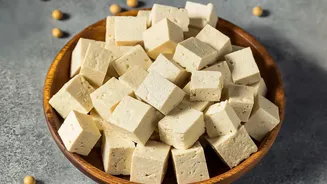
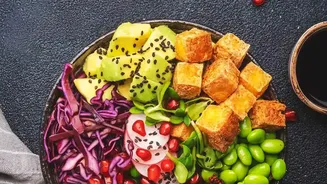
Tofu is a fantastic tool for muscle recovery and growth. As a complete protein, it delivers all the essential amino acids needed for tissue repair after a tough workout. A 3.5-ounce serving can offer about 10 grams of protein, making it an efficient choice for a post-exercise meal. Unlike some animal proteins that can be heavy and slow to digest, tofu provides a steady supply of amino acids without causing digestive stress. It also contains compounds called isoflavones, which have antioxidant and anti-inflammatory properties that can help manage the inflammation caused by exercise. Calcium-set tofu provides the additional benefit of bone-strengthening minerals like calcium and magnesium, which are important for muscle function.
Defining 'Clean' and 'Sustainable' Energy
The term 'clean energy' in nutrition refers to fuel from whole, minimally processed foods that your body can use efficiently. Lentils and tofu are prime examples. They provide energy without the high saturated fat, cholesterol, or artificial additives found in many processed foods. The energy is 'clean' because it's nutrient-dense and supports your body's functions, from muscle contraction to recovery. 'Sustainable' refers to the environmental impact. The production of plant proteins like lentils and tofu requires significantly less land and water and generates far fewer greenhouse gas emissions compared to animal agriculture. For instance, producing a kilogram of beef can require up to 100 times more land than producing a kilogram of tofu. Choosing lentils and tofu is a vote for a food system that is kinder to the planet.
Putting It All Together
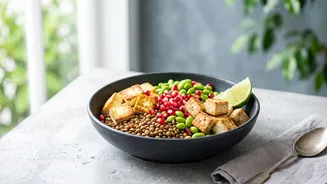
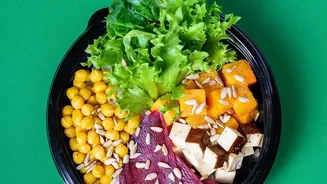
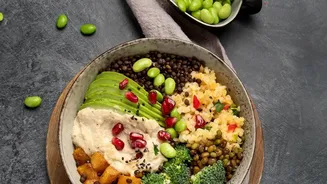
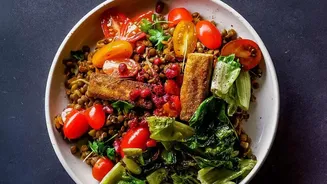
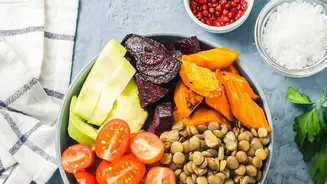
Combining lentils and tofu is both simple and delicious. Think of a hearty lentil soup served with pan-fried tofu croutons. You can create a powerful post-workout bowl with a base of cooked lentils and brown rice, topped with marinated baked tofu and steamed vegetables. A lentil shepherd's pie with a topping of mashed potatoes and crumbled firm tofu is another great option. The mild flavor of tofu allows it to absorb any marinade or seasoning, making it incredibly versatile. Lentils can be used in curries, salads, and stews. Together, they create a meal that is balanced, satisfying, and perfectly tuned to fuel an active, healthy, and conscious lifestyle.