







From Hand-Me-Downs to Curated Clicks
The idea of using second-hand clothes isn't new to India, where garments have long been passed down through families. However, today's thrifting culture is fundamentally different. It's not about necessity, but a deliberate, style-conscious choice. Propelled
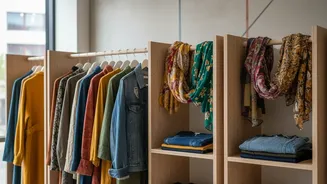
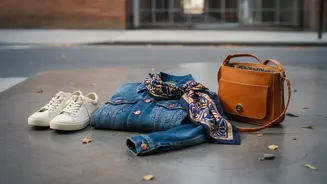
by social media, a new wave of online thrift stores, especially on Instagram, has transformed pre-owned fashion from a niche market into a booming trend. These digital shops offer curated collections of vintage jackets, rare denim, and unique dresses, turning the hunt for a bargain into an exciting online treasure hunt. This digital evolution has made it easier than ever for young, urban consumers to access high-quality, distinctive pieces from the comfort of their homes.
The Triple Appeal: Style, Savings, and Sustainability
The popularity of thrifting among Gen Z and millennials is fuelled by three powerful motivators. First is the desire for individuality. In a world dominated by mass-produced fast fashion, where everyone can buy the same outfit, thrifted clothes offer a chance to stand out with one-of-a-kind pieces. Second is affordability. For students and young professionals with limited budgets, thrifting provides access to high-quality and branded apparel at a fraction of the original price, making it a smart economic choice. The third and most significant driver is a growing environmental consciousness. Young Indians are increasingly aware of the fashion industry's devastating impact, from water pollution caused by dyes to the mountains of textile waste clogging landfills. Thrifting offers a tangible way to protest this system.
Embracing a Circular Mindset
This trend is a practical application of a concept known as 'circular fashion'. Unlike the traditional linear model of 'take-make-dispose', a circular system aims to keep clothes in use for as long as possible through reusing, repairing, and recycling. By purchasing a pre-loved garment, consumers extend its life, reducing the demand for new production and diverting it from ending up in a landfill. The fashion industry is a major global polluter, responsible for a significant percentage of carbon emissions and industrial water pollution. Every thrifted purchase is a small act of resistance against this wasteful model, helping to conserve resources like water and reduce the carbon footprint associated with manufacturing new clothes.
The Challenges and Future of Thrifting in India
Despite its rapid growth, the thrift movement in India is still young and faces hurdles. Some consumers are still overcoming a cultural stigma associated with wearing second-hand items, though this is changing fast, thanks to influencers and celebrities championing pre-loved fashion. Issues like inconsistent sizing, quality assurance, and hygiene concerns are also challenges that online sellers are actively working to solve by providing detailed measurements and quality checks. However, the momentum is undeniable. Major e-commerce platforms are beginning to explore resale options, signaling a mainstream shift. As more people recognize the environmental and personal benefits, thrifting is poised to move from a subculture to a central part of the Indian fashion landscape.