






From Hours to Minutes
The traditional method of processing an interview is a significant time commitment. The general rule is that a one-hour audio file can take four to six hours to transcribe by hand. This tedious process involves repeatedly pausing, rewinding, and typing,
all before the actual analysis can even begin. For journalists, content creators, and researchers on a deadline, this workflow is a major source of friction. AI-powered transcription services have fundamentally changed this equation. Instead of hours of manual labor, you can now upload an audio file and receive a full, timestamped transcript in minutes. This automation frees up professionals to spend less time on logistical tasks and more time on the high-value work that matters: analysis, storytelling, and connecting with more sources.
More Than Just Speech-to-Text
Modern AI transcription is about much more than just converting audio into words. Today's leading tools are sophisticated analytical engines. A key feature is speaker diarization, which automatically identifies and labels who is speaking throughout the transcript. This eliminates the confusion of trying to remember who said what in a multi-person interview. Furthermore, these platforms can do much more than simply provide a wall of text. They use natural language processing (NLP) to analyze the content itself, offering features that act as a powerful first-pass analysis for any writer. This shifts the technology from a simple utility to a genuine assistant in the creative process.
The AI-Powered Outlining Process
This is where AI truly shines in transforming a raw transcript into a structured outline. After generating the text, many services can automatically create a summary of the entire conversation, giving you the key points at a glance. Some tools go even further, programmatically identifying recurring themes, topics, and key entities discussed in the interview. Instead of manually reading through 10,000 words to find your story's core angles, the AI presents them to you. It can also extract the most notable or quotable statements, ranked by relevance, complete with timestamps that link back to the original audio for verification. This allows a writer to quickly build a skeleton for their article, structured around the most powerful quotes and dominant themes that emerged organically from the conversation. An hour-long discussion is no longer a transcript to be conquered; it’s a pre-organized set of building blocks.
Best Practices for Clean Results
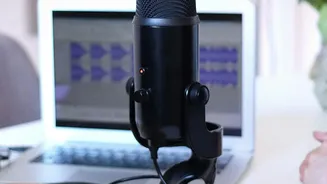
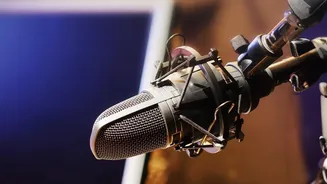
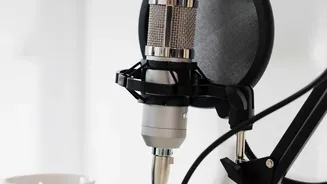
The quality of an AI transcription is directly correlated to the quality of the source audio. To get the most accurate results, a few best practices are essential. First, ensure high-quality audio capture. Use a dedicated external microphone rather than a built-in one whenever possible, and record in a quiet environment with minimal background noise and echo. Second, manage the conversation itself. Encourage speakers to talk at a moderate pace, enunciate clearly, and avoid speaking over one another, as overlapping voices are a primary source of transcription errors. Finally, consider the file itself. Recording in a high-quality format like WAV or FLAC is preferable to compressed formats like MP3. For very long recordings, splitting the file into smaller chunks can sometimes help prevent errors or AI 'hallucinations' where the model invents content.