
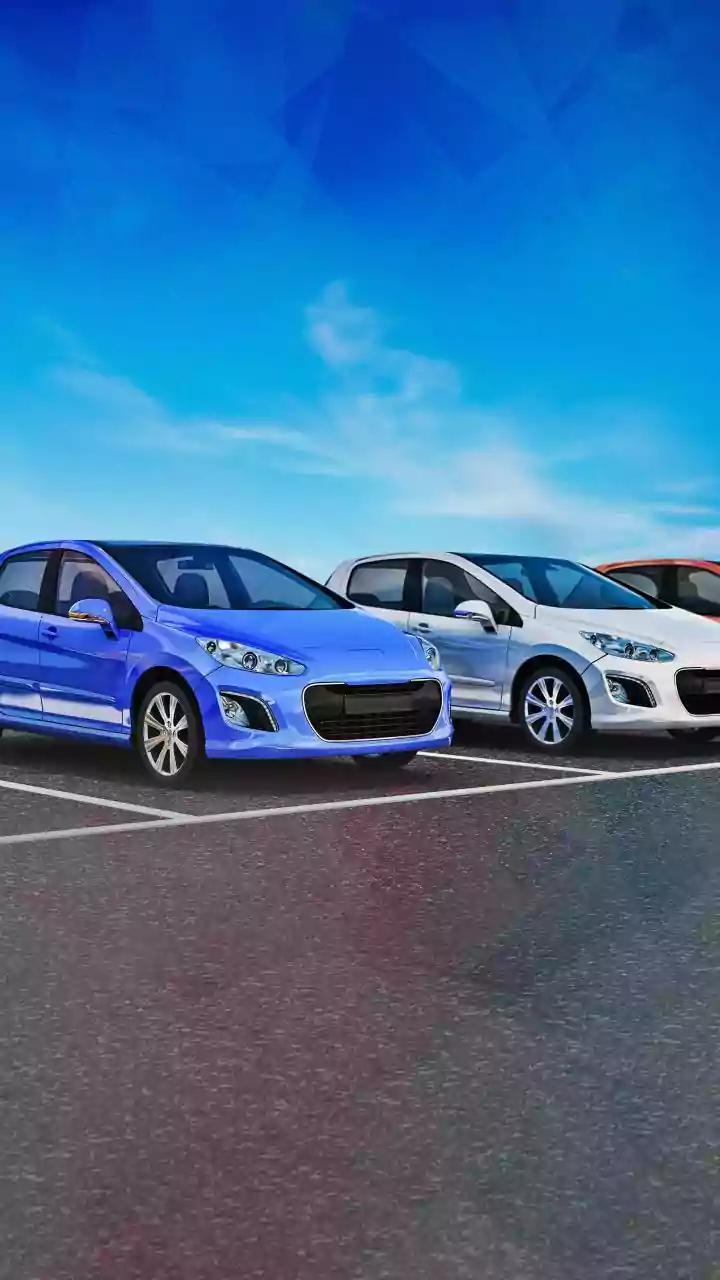
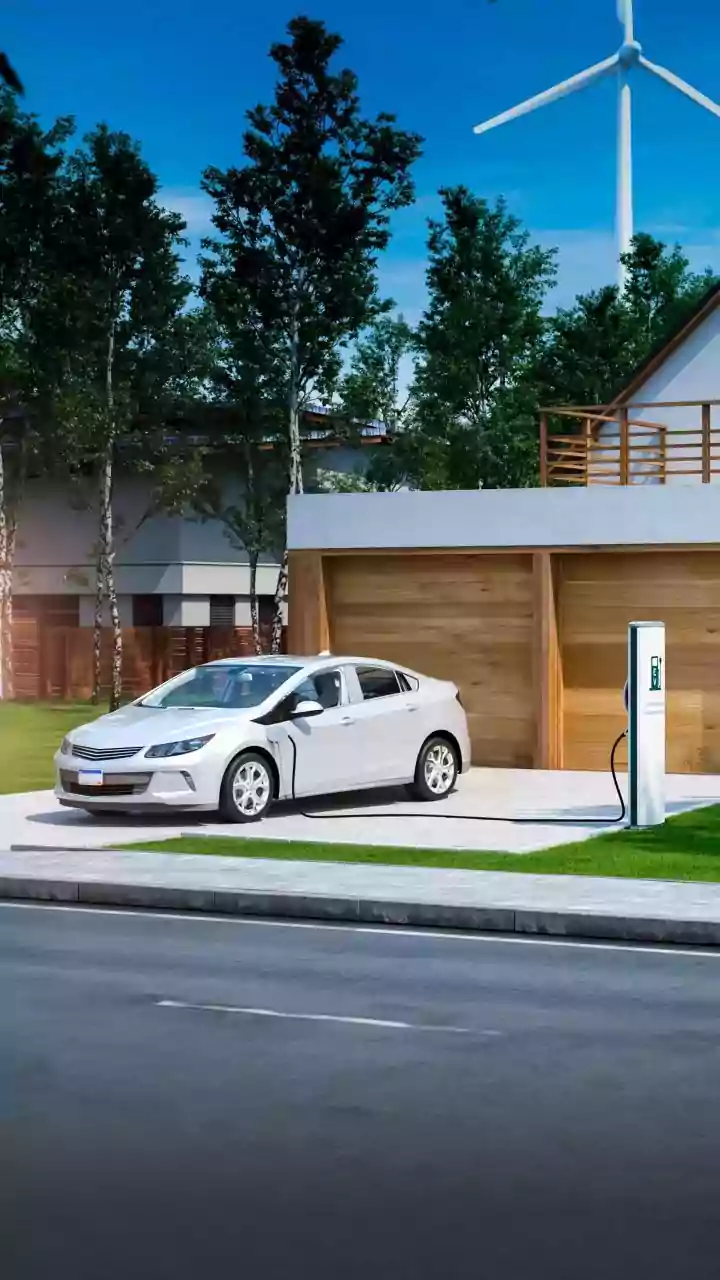
The Indian car market is undergoing a seismic shift. For the first time, sales of cleaner powertrain vehicles—including electric, hybrid, and CNG—have surpassed petrol cars. This isn't a fluke; it’s a fundamental change driven by a mix of economics and policy.
The Pinch at the Pump
For the average Indian car buyer, the single biggest motivator is running cost. A series of fuel price hikes have made both petrol and diesel significantly more expensive, directly impacting monthly household budgets. This has pushed consumers to look beyond the initial showroom price and evaluate the total cost of ownership. CNG, with its lower per-kilometre running cost, has become a major beneficiary. In August 2026, CNG vehicles captured a record 25% of the passenger vehicle market. This technology offers a practical, immediate solution to high fuel prices, with a wide network of stations in many cities and an expanding range of factory-fitted models from leading manufacturers like Maruti Suzuki and Tata Motors.
A Strong Nudge from the Government
The government's policy framework has created a fertile ground for cleaner vehicles. Initiatives like the PM E-DRIVE scheme provide subsidies for electric two and three-wheelers, while also funding the expansion of public charging infrastructure. For passenger cars, the benefits are more indirect but equally powerful. Electric vehicles attract a GST of only 5%, compared to 28% or more for petrol and diesel cars. Furthermore, new Corporate Average Fuel Economy (CAFE-3) norms, effective from April 2027, will compel manufacturers to improve fleet-wide fuel efficiency, giving them strong incentives to produce and sell more EVs and hybrids. This combination of demand-side tax benefits and supply-side regulation is accelerating the transition.
More Choices on the Showroom Floor
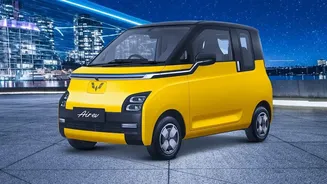
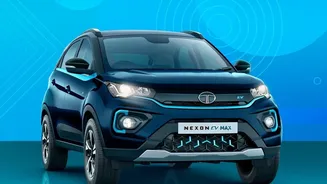
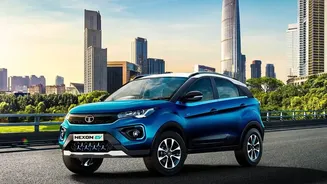
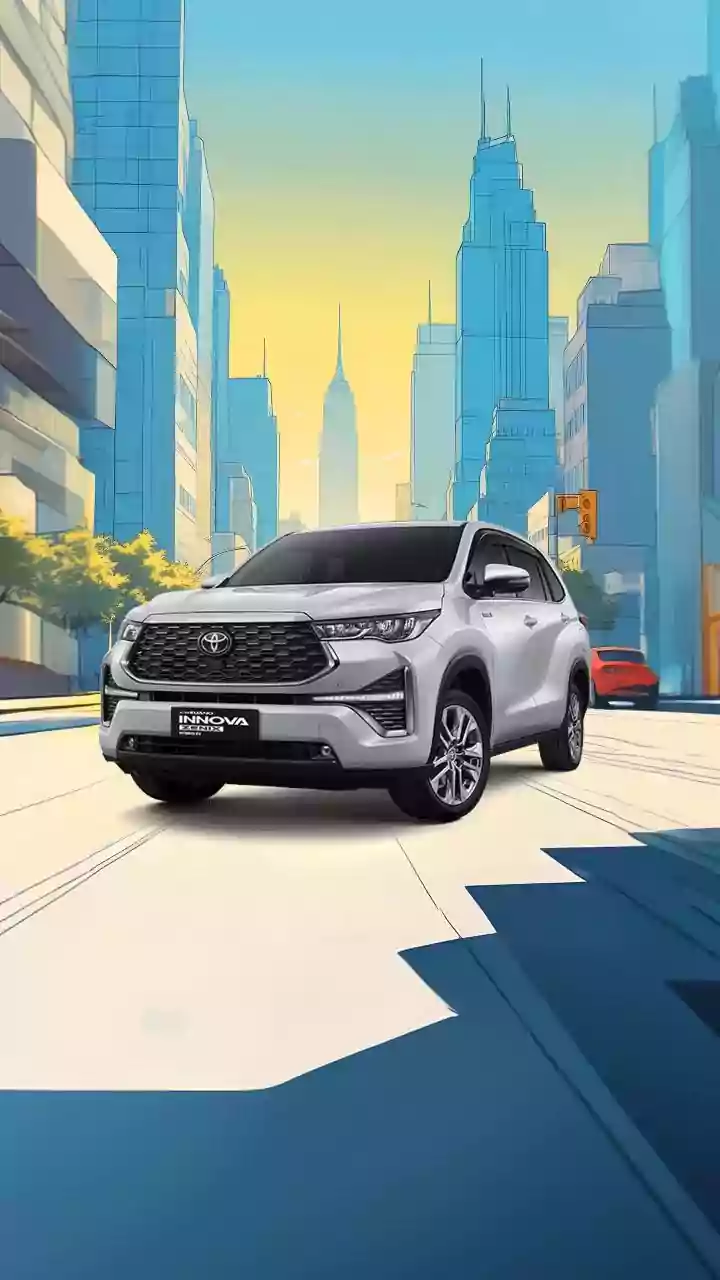
For years, the choice for a non-petrol car was limited. That has changed dramatically. The EV space, once dominated by a few models, now sees a growing portfolio from players like Tata Motors, MG Motor, and Mahindra. This increased competition is leading to better products with improved range and features. In the hybrid segment, Toyota and Maruti Suzuki have carved out a significant niche with strong-hybrid models like the Innova Hycross and Grand Vitara, which offer petrol-like convenience with diesel-like mileage, without the need for external charging. This widening array of options means buyers can find a cleaner powertrain that fits their specific budget and usage patterns, from city-focused EVs to long-distance-friendly hybrids.
The Rise of the Pragmatic Buyer
The Indian consumer is evolving. While upfront cost remains crucial, factors like technological sophistication, long-term savings, and environmental impact are gaining importance. The initial apprehension around EVs, particularly 'range anxiety', is gradually diminishing as charging infrastructure becomes more visible and battery technology improves. Buyers are increasingly doing the math and realising that for high-mileage users, the higher initial cost of an EV can be recovered through fuel savings in just a few years. Hybrids and CNG vehicles act as a perfect bridge for those who want better efficiency but are not yet ready to go fully electric. This shift reflects a more mature market where purchase decisions are based on a holistic view of ownership.