




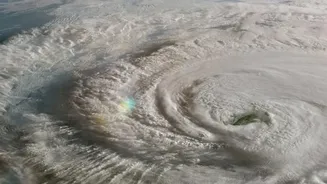
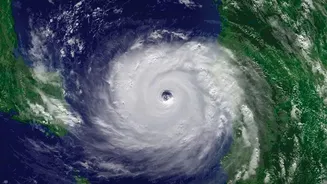

As Cyclone Arnab makes landfall on India's eastern coast, widespread travel disruption is underway. Airlines have cancelled numerous flights and issued important travel waivers for affected passengers flying to and from the region.
Understanding the Impact on Air Travel
Cyclone Arnab, which
crossed the Andhra Pradesh coast early on Wednesday, October 28, has significantly impacted flight operations. Airports in Visakhapatnam, Vijayawada, and Rajahmundry suspended services from Tuesday evening as a precautionary measure. Major carriers including Air India, IndiGo, and Air India Express have announced cancellations for flights connecting these cities with hubs like Delhi, Hyderabad, and Bengaluru. The India Meteorological Department (IMD) had forecast a very severe cyclonic storm, prompting the Ministry of Civil Aviation to advise airlines to ensure passenger safety and provide timely information. The disruption affects not only direct flights to the coastal regions but may also cause knock-on delays for routes passing through Hyderabad and other nearby airports.
What is a Flight Waiver Policy?
During events like a cyclone, airlines issue 'waiver policies' to offer flexibility to passengers whose travel plans are disturbed. These waivers typically allow travellers to change their flight dates or cancel their tickets without incurring the usual penalties. For instance, instead of losing money on a non-refundable ticket, a passenger might be allowed to reschedule their flight for a later date for free, though a fare difference may still apply. In many cases of cancellation, airlines may offer a full refund or a credit shell, which is an amount held by the airline that you can use to book another flight in the future. These policies are a crucial tool for managing customer relations during unavoidable disruptions and are guided by regulations from the Ministry of Civil Aviation.
What Major Airlines Are Offering
Different airlines have announced specific measures to assist affected passengers. The Ministry of Civil Aviation has explicitly advised all carriers to comply with norms for re-booking and refunds. IndiGo has stated that impacted customers are being notified and can opt for a refund or an alternative flight through its 'Plan B' facility in case of a cancellation. Air India and its subsidiary Air India Express have also cancelled several flights and are actively encouraging passengers to check their flight status online before heading to the airport. They warned that road travel to airports could also be affected by the weather. Akasa Air has cancelled its services between Delhi and the Bhogapuram airport near Visakhapatnam for October 28. Vistara, which is in the process of merging with Air India, typically offers similar waivers during such events, allowing passengers to reschedule or cancel with relaxed penalties. While specific 'Cyclone Arnab' waivers for all airlines were not detailed, the standard procedure is to offer relief on flights to and from the directly affected airports like Visakhapatnam (VTZ) and Vijayawada (VGA).
A Step-by-Step Guide for Passengers
If your flight is to or from an affected area, here’s what you should do:
1. Check Your Flight Status: Before anything else, visit your airline's official website or app to check the real_time status of your flight. Do not rely on old information; check again before leaving for the airport.
2. Review the Airline's Advisory: Look for a travel advisory on the airline's homepage or social media channels (like X, formerly Twitter). This will have the most specific information on which dates and routes are covered by the waiver.
3. Contact the Airline (If Needed): If your flight is cancelled, the airline will likely contact you via SMS or email. If you wish to make changes proactively, use the 'Manage Booking' section on the airline’s website. This is often faster than calling customer service, which can be busy during disruptions.
4. Understand Your Options: Read the waiver policy carefully. Decide if you prefer to reschedule for a later date, take a full refund (if offered), or accept a credit shell for future travel. Be aware of any deadlines for making these changes.