





Why Post-Workout Nutrition Matters
Intense exercise creates microscopic tears in your muscle fibres. The recovery process is where your body repairs this damage, building the muscle back stronger. To do this efficiently, it needs the right building blocks, primarily protein. Consuming
a meal rich in protein within about an hour after your workout helps kick-start muscle protein synthesis, the process of repairing and building muscle tissue. A well-rounded recovery meal should also replenish your energy stores with carbohydrates and include healthy fats and micronutrients to help manage inflammation.
Tofu: The Versatile Protein Powerhouse
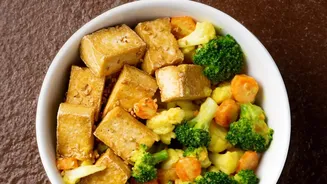
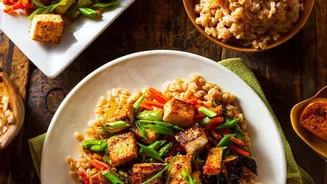
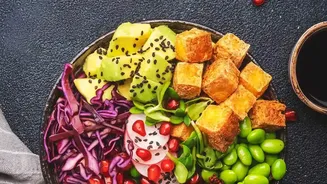
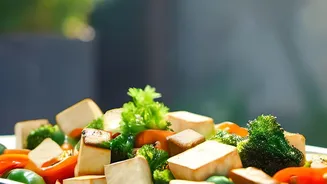
Tofu is a fantastic choice for post-workout recovery. Made from soybeans, it’s a complete protein, meaning it contains all nine essential amino acids your body needs for muscle repair. A 100-gram serving of firm tofu packs around 15-17 grams of protein. Beyond its protein content, tofu is highly digestible and also contains isoflavones, which may help manage post-exercise inflammation. Its versatility is a major plus for meal prep. Extra-firm tofu holds its shape well when baked, pan-fried, or air-fried, readily absorbing the flavours of any marinade. For best results, press extra-firm tofu for about 20 minutes before cooking to remove excess water, which allows for a crispier texture and better flavour absorption.
Edamame: The Convenient Recovery Pod
Edamame, which are immature soybeans, are another exceptional plant-based protein source. A single cup of shelled, cooked edamame provides around 18 grams of complete protein, similar to that found in milk or eggs. They are also a great source of fibre, potassium, and folate. Their convenience makes them a meal prep superstar. You can buy them shelled and frozen, ready to be steamed or boiled in minutes. They can be tossed into salads, stir-fries, and grain bowls, or even blended into a creamy dip. Their combination of protein and fibre helps stabilise blood sugar and keeps you feeling full.
Seeds: Tiny Nutritional Giants
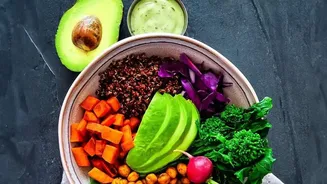
Don’t underestimate the power of seeds. While they don't replace primary protein sources, they are nutritional multitaskers that provide crucial recovery support. Hemp Seeds: These are a complete protein, offering about 10 grams per three tablespoons. Their mild, nutty flavour works well in smoothies and sprinkled over bowls. Chia Seeds: Packed with omega-3 fatty acids, chia seeds help combat inflammation. They also provide fibre, calcium, and magnesium, which is essential for muscle function. Pumpkin Seeds: As a powerhouse of magnesium and zinc, pumpkin seeds support energy production and immune function, both of which are taxed during heavy exercise. Flaxseeds: Ground flaxseeds are a top source of anti-inflammatory omega-3s, aiding in faster recovery and reduced muscle soreness.
Your Meal Prep Blueprint
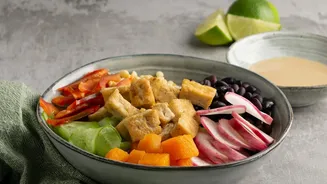
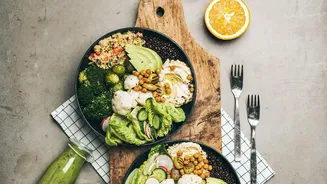
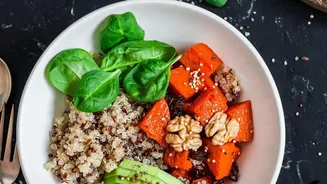
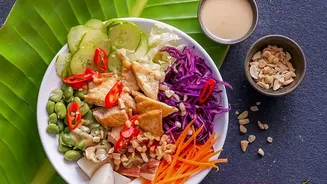
Combining these ingredients makes for simple, effective, and delicious recovery meals. Here are a couple of ideas to get you started: 1. Tofu and Edamame Grain Bowl: Start with a base of cooked quinoa or brown rice. Top with pan-seared or baked tofu cubes, a generous handful of shelled edamame, and roasted vegetables like broccoli or sweet potatoes. Drizzle with a dressing made from soy sauce, sesame oil, and ginger. For an extra boost, sprinkle with hemp or sesame seeds. 2. Recovery Power Smoothie: In a blender, combine a scoop of plant-based protein powder (optional), a half-block of silken tofu for creaminess, a cup of unsweetened soy milk, a handful of spinach, a banana for carbs, and one tablespoon each of chia seeds and flaxseeds. This creates a nutrient-dense shake that’s easy to consume right after a workout.
Smart Storage for the Week
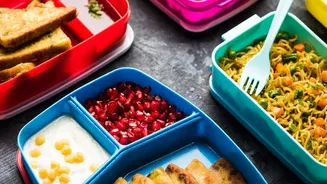
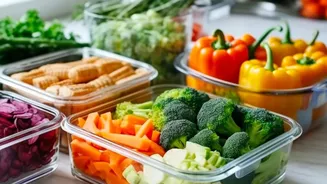
Proper storage is key to successful meal prepping. Cooked tofu should be cooled completely and stored in an airtight container in the refrigerator for up to 4-5 days without any extra water. You can prep components separately to maintain freshness. For example, cook a batch of quinoa, roast your tofu, and steam your edamame. Store them in separate containers and assemble your bowls just before eating. Dressings should also be kept separate until serving to prevent sogginess. Unused portions of opened, uncooked tofu should be stored in an airtight container, submerged in fresh water that is changed daily, and used within a few days.