






For years, a holiday was a checklist: see the monuments, visit the viewpoints, and use a hotel as a place to sleep. But a change is underway. Increasingly, travellers are choosing where to go based on where they can stay.
From a Basecamp to the Main Event
The traditional role of a hotel
was to provide a convenient and safe base for exploring a city or region. You picked a location close to the attractions on your list. Today, that model is being flipped on its head. A growing number of travellers, especially in India, are planning entire trips around the accommodation itself. This isn't just about luxury; it's about the experience. The stay is no longer a footnote to the vacation—it's the headline. Recent travel reports highlight that this shift is about seeking more meaningful connections and memorable moments, which the stay itself can provide. In fact, a 2026 report noted that 87% of travellers feel that alternative stays, like homestays and villas, help create more significant holiday memories.
What’s Driving This Shift?
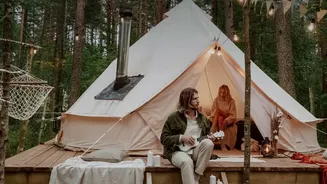
Several factors are fuelling this move towards 'stay-led' holidays. Post-pandemic, there's a heightened desire for privacy, safety, and slower, more intentional travel. Instead of rushing through crowded tourist spots, people are opting for restorative getaways that allow them to disconnect and recharge. Wellness is a major driver, with travellers seeking environments designed around rest, from better sleep amenities to immersion in nature. The rise of 'passion-led' travel also plays a part; people are planning trips around hobbies like cooking, yoga, or art, and accommodations that offer these experiences are in high demand. Furthermore, in a world saturated with social media, unique and aesthetically pleasing stays offer a story worth sharing, moving beyond performative travel to something more personal.
The Boom in Unique Indian Stays
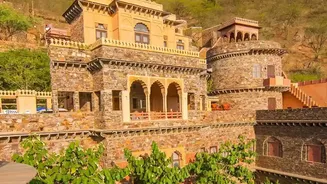
India's diverse landscape is the perfect canvas for this trend. The alternative accommodation market in the country is projected to reach a gross booking value of ₹415 billion by FY29. This growth is powered by a surge in unique properties that offer more than just a bed. Think of restored havelis in Rajasthan, where you can immerse yourself in history; boutique farm stays in the Himalayan foothills offering organic meals and nature trails; or houseboats on Kerala's backwaters that are destinations in themselves. These properties are often run by hosts who act as cultural ambassadors, providing local insights and curated activities that you won't find in a guidebook. This trend is also spreading beyond typical holiday spots, with cities like Indore and Ghaziabad seeing a huge spike in listings.
It’s More Than Just a Room
What sets these 'experiential stays' apart is that the accommodation offers the activities. Instead of just sightseeing, guests are actively participating. This could mean learning to cook regional dishes from your host, trying your hand at pottery, taking a guided tour of a coffee plantation, or simply enjoying a tranquil environment designed for relaxation. The focus shifts from passive observation to active engagement. This is particularly appealing to Gen Z and Millennial travellers, who are increasingly planning trips around such experiences. Even business travel is changing, with professionals choosing apartments and aparthotels for the extra space and the ability to live and work more comfortably on longer trips.