



The Great Escape From Urban Burnout
The post-pandemic work culture has permanently shifted gears for many in India's tech industry. No longer tethered to a physical office, professionals are actively seeking an escape from urban burnout. The relentless pace of cities like Bengaluru, Mumbai,
and Hyderabad is driving a search for a better work-life balance. According to a FICCI and Thrillophilia survey, a third of travellers now prefer working from natural settings. This isn't just about taking a vacation; it's about fundamentally redesigning the workday. The goal is to find environments that foster productivity while also promoting mental well-being. The promise of cleaner air, slower days, and a break from the concrete jungle is a powerful motivator for this new class of digital nomads.
Gangtok Calling: More Than a Hill Station
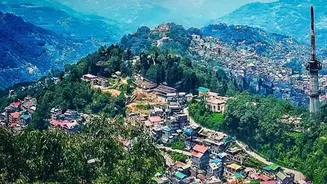
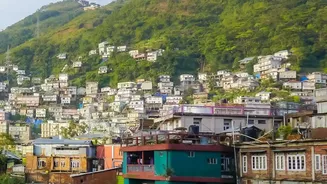
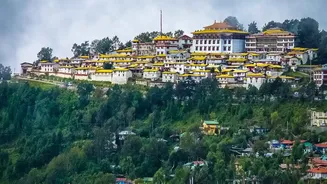
While destinations like Goa and Himachal have long been popular for workations, Sikkim is rapidly emerging as a top contender, with Gangtok at its heart. The state's appeal lies in its unique combination of serene landscapes, clean environment, and a peaceful atmosphere. The government has actively encouraged this trend, helping to establish robust digital infrastructure. In 2025, a village near Gangtok, Yakten, was inaugurated as India's first official 'Digital Nomad Village', a project designed to blend remote work with sustainable tourism by offering high-speed internet and structured community living in homestays. This initiative signals a clear intent to position Sikkim as a premier destination for remote professionals from India and around the world.
Inside the New Co-Living and Coworking Hubs
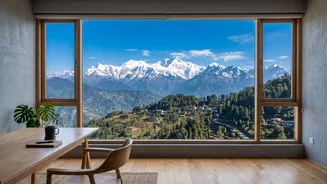
The workation trend in Gangtok is supported by a growing ecosystem of co-living spaces, work-friendly hotels, and dedicated coworking hubs. These aren't just hostels with Wi-Fi; they are purpose-built environments for modern professionals. Spaces like Sanctorum, Gangtok's first dedicated coworking space, offer amenities like fibre internet, power backup, private meeting rooms, and even a podcast studio. Co-living arrangements provide a vital sense of community, helping to combat the isolation that can come with remote work. These hubs offer a blend of private rooms and shared common areas, fostering networking and social interaction. The facilities often include meals, laundry, and all-inclusive billing, simplifying the logistics for long-term stays.
The Allure of a Monsoon Workday
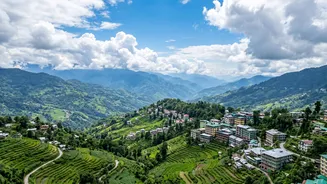
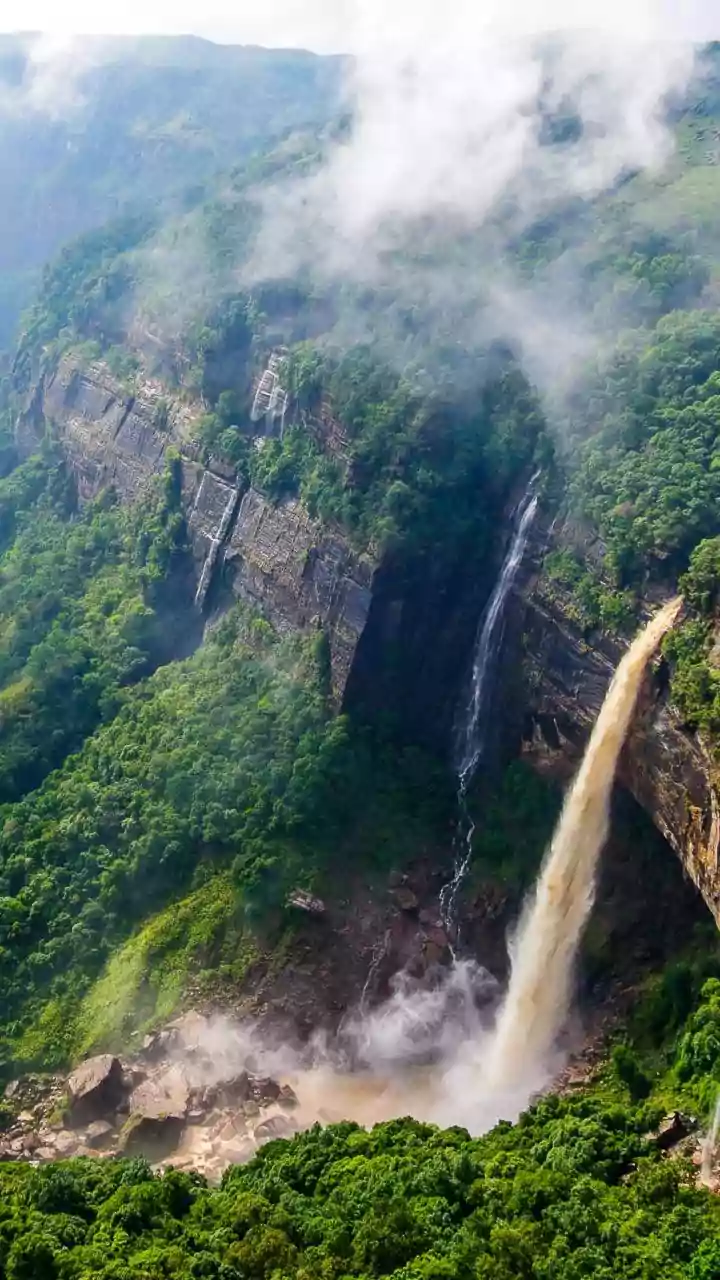
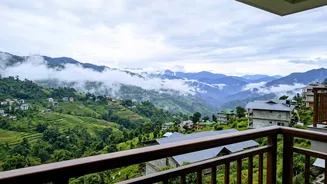
Perhaps the most surprising part of this trend is the timing. Many tech workers are choosing to head to Gangtok during the monsoon (June to September), traditionally considered the tourist off-season. Instead of a drawback, the rain is part of the appeal. The monsoon brings lush green landscapes, powerful waterfalls, and mist-covered hills that create a tranquil and focused working environment. With fewer tourists, the town is quieter, and accommodation prices are often lower. For a remote worker, a rainy afternoon isn't a ruined holiday—it's a perfect excuse for deep focus, followed by a quiet evening enjoying home-cooked local food. It represents a shift away from a tourist's mindset to that of a temporary resident, seeking a slower, more immersive experience.