






Why the Sudden Buzz About Protein?
For years, breakfast in many Indian households has been a carb-centric affair – think fluffy idlis, crispy dosas, parathas, or a quick slice of toast. While delicious and comforting, these meals can sometimes lead to a mid-morning energy slump. The new
trend of 'front-loading' protein is a direct response to this. Nutrition science shows that a protein-rich first meal does several key things. First, it promotes satiety, keeping you feeling full and satisfied for longer, which can help curb unhealthy snacking. Second, it helps stabilise blood sugar levels, preventing the sharp spikes and crashes associated with high-carb or sugary foods. This means more sustained energy throughout the morning. Finally, our bodies utilise protein for muscle repair and maintenance, and starting the day with a good dose supports this essential process, especially for those who are physically active.
More Than Just Eggs and Paneer
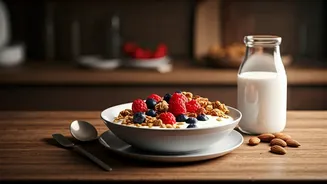
When people hear 'high-protein breakfast', their minds often jump straight to eggs or paneer bhurji. While these are excellent choices, the world of morning protein is far richer and more diverse, especially for vegetarians. The trend is expanding to include a wide array of plant-based powerhouses. Lentils, for instance, are being reimagined for breakfast in the form of moong dal chillas or savoury pancakes. Chickpeas (chana) are used in everything from hummus on whole-wheat toast to spiced sundal. Seeds like chia, flax, and pumpkin are being stirred into oatmeal, yoghurt, and smoothies, providing a powerful punch of protein, fibre, and healthy fats. Even traditional grains can get a protein upgrade; think quinoa upma or a dosa made from a multi-lentil batter instead of just rice.
Simple Swaps for a Protein Boost
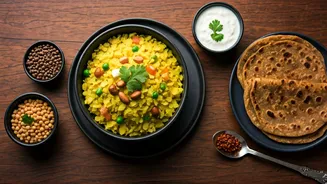
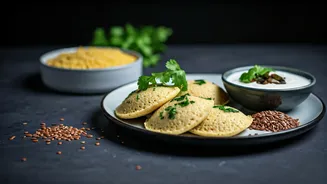
Adopting this trend doesn't require a complete kitchen overhaul. It’s about making small, smart swaps. Instead of a plain dosa, try a Pesarattu (moong dal dosa) or a Besan Chilla (gram flour pancake). If you love poha, stir in some roasted peanuts or boiled sprouts just before serving. Trading your regular yoghurt for Greek yoghurt can nearly double the protein content. Love a morning smoothie? Instead of just fruit and milk, blend in a scoop of sattu (roasted gram flour), a handful of nuts, or a tablespoon of chia seeds. Even your morning upma can be fortified by adding finely chopped vegetables and a handful of roasted chana dal. These simple adjustments add significant nutritional value without sacrificing flavour or convenience.
Quick Protein-Powered Breakfast Ideas
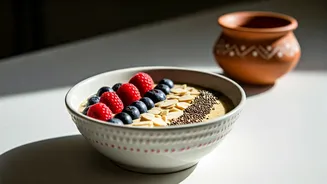
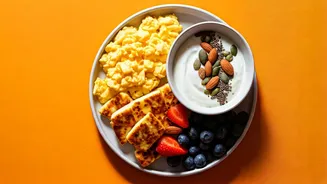
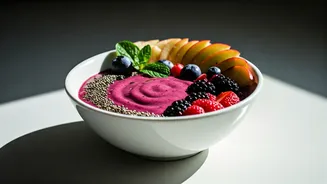
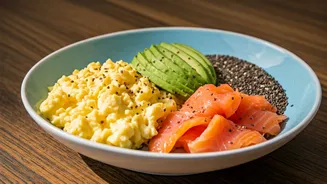
Ready to give it a try? Here are a few simple ideas to get you started: * **Spiced Paneer or Tofu Scramble:** A quick and savoury option. Crumble paneer or firm tofu into a pan with chopped onions, tomatoes, and your favourite masalas. Serve with a slice of whole-wheat toast. * **Overnight Chia Seed Pudding:** A make-ahead lifesaver. Mix chia seeds with milk (dairy or plant-based) and a touch of sweetener. Let it sit overnight. In the morning, top with fresh fruit and nuts for a filling, no-cook meal. * **Moong Dal Chilla:** Whisk together moong dal flour (or soaked, ground moong dal), water, spices, and finely chopped veggies. Cook like a thin pancake. It’s light, delicious, and packed with plant-based protein. * **Sattu Shake:** A traditional powerhouse drink from Bihar. Blend sattu flour with water or buttermilk, a pinch of black salt, and roasted cumin powder for a savoury, cooling, and incredibly protein-rich drink.
A Word on Balance
While increasing protein is beneficial, balance remains key. It's not about eliminating carbohydrates entirely—they are a crucial source of energy and fibre, especially complex carbs from whole grains, fruits, and vegetables. The goal is to create a more balanced plate. Also, be mindful of the source of your protein. Highly processed options like sausages or bacon may be high in protein, but they also come with unhealthy fats and sodium. Sticking to whole-food sources like dals, legumes, nuts, seeds, eggs, and dairy will give you the benefits without the downsides. The key is to listen to your body and find a sustainable routine that leaves you feeling energised and ready to take on the day.