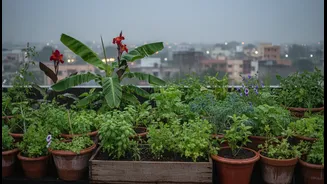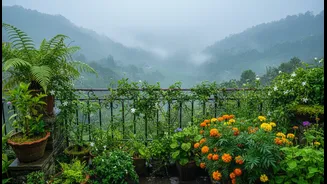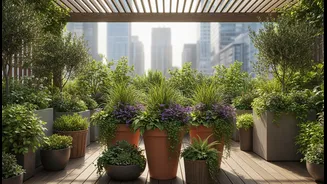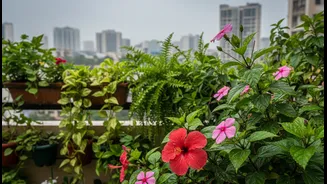







The Science of a Cooler Terrace
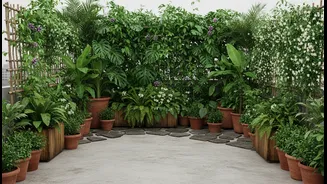
A bare concrete or tiled roof absorbs and radiates heat, contributing to the 'urban heat island' effect and making the rooms below warmer. Rooftop gardens combat this in two ways. First, the plant canopy provides shade, preventing sunlight from directly
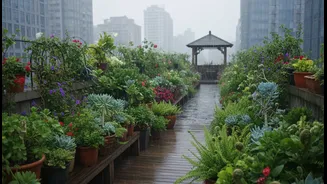
hitting the surface. Second, and more importantly, plants cool the surrounding air through a process called evapotranspiration. Research shows that a green roof can be significantly cooler than a conventional one, reducing nearby air temperatures. This natural air conditioning can lower indoor temperatures and reduce the need for artificial cooling, saving energy.
The Non-Negotiable First Step: Waterproofing
Before you buy a single plant, you must ensure your terrace is properly waterproofed. Planting a garden without this crucial step can lead to water seepage, leaks, and long-term structural damage. A professional waterproofing solution involves cleaning the surface, repairing any cracks, and applying multiple coats of a waterproof membrane like polyurethane or a bituminous coating. This is often followed by a root barrier sheet to prevent plant roots from penetrating the protective layer. Ensuring your terrace has a slight slope towards drainage outlets is also vital to prevent water from pooling.
Choosing Containers and Soil
Heavy concrete pots are not ideal for most residential terraces. Lightweight containers like geo-fabric grow bags or recycled plastic pots are better choices. They are easier on the building's structure and often provide better drainage, which is crucial during the heavy rains of the monsoon. Never use heavy garden soil alone in containers; it compacts and can become waterlogged. Instead, create a lightweight potting mix. A common recipe is one part cocopeat, one part compost (like vermicompost), and one part perlite or sand. This mix retains moisture without becoming heavy, ensures good aeration for the roots, and drains excess water freely.
Perfect Plants for the Monsoon
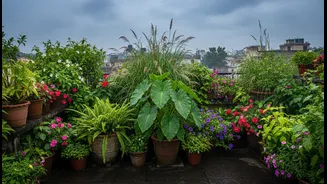
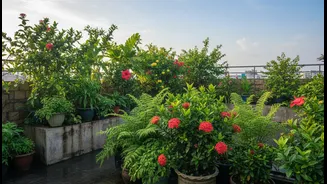
The key to a successful monsoon garden is choosing plants that thrive in high humidity and wet conditions. Many vegetables grow vigorously during this season. Fast-growing leafy greens like spinach (palak) and amaranth (chaulai) are excellent choices. Gourds like bottle gourd (lauki), ridge gourd (turai), and creepers like yardlong beans (lobia) are prolific growers that love the monsoon rain. You can also easily grow kitchen staples like chillies, turmeric, and ginger. For colour and fragrance, consider monsoon-loving flowers. Hibiscus, jasmine, bougainvillea, and rain lilies flourish during this time, adding beauty to your green space.
Monsoon Garden Care
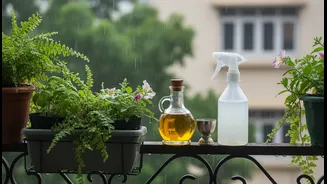
Gardening in the monsoon isn't about constant watering; it's about managing excess water. Always check if the soil is dry an inch or two deep before watering manually. On days with heavy rain, your plants won't need any extra water. Elevating your pots on small stands or bricks can prevent them from sitting in puddles and protect roots from rot. High humidity can also encourage fungal diseases. To prevent this, ensure good air circulation by not overcrowding your plants. A preventive spray of a diluted neem oil solution every 10-14 days can also help keep pests and diseases at bay.