



The Allure of Convenience
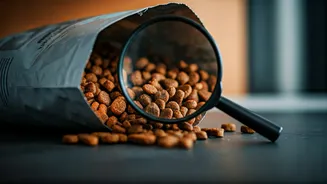
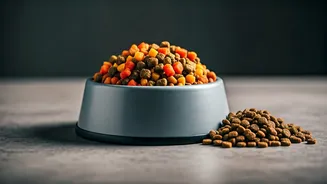
Processed kibble is the undisputed king of the pet food aisle for a reason. It's affordable, has a long shelf life, and feeding is as simple as scoop and serve. Manufacturers have spent millions marketing it as a scientifically formulated, “complete and balanced”
meal that meets all a dog's nutritional needs. For busy pet parents in India, juggling work and family, the ease of kibble is a powerful draw. This convenience has made it a dietary staple for millions of dogs, a trusted solution for daily feeding. But as awareness about nutrition and processing grows, many are beginning to question whether this convenience comes at a hidden cost to their pet's long-term health.
The Problem with High-Heat Processing
One of the biggest concerns revolves around how most kibble is made. The process, called extrusion, involves mixing ingredients into a dough and cooking it at extremely high temperatures and pressure. While this method efficiently kills potential pathogens, it can also degrade essential nutrients. Heat-sensitive vitamins, antioxidants, and essential fatty acids can be significantly reduced, compromising the food's nutritional value. To compensate, manufacturers often spray the finished kibble with a coating of synthetic vitamins and minerals to meet regulatory standards. This leads many owners to wonder if their dogs are getting true, whole-food nutrition or a re-fortified, ultra-processed product.
Decoding the Ingredient List
A closer look at the ingredient list on many popular kibble bags can be revealing. To keep costs down, many formulas are heavy on carbohydrate fillers like corn, wheat, and soy. While dogs can digest carbohydrates, their ancestral diet is primarily based on animal protein, and high-carb diets are linked to issues like weight gain and pancreatitis. These grains are also common allergens for many dogs, leading to skin-related issues and digestive upset. Furthermore, the protein source itself can be ambiguous. Vague terms like “meat meal” or “animal by-products” refer to rendered ingredients from various sources, which undergo intense processing that can reduce their quality. Artificial preservatives like BHA and BHT, while approved, are another point of concern for owners worried about the cumulative effect of feeding the same chemicals daily for years.
The Chronic Dehydration Dilemma
A dog's natural diet of prey would contain around 70% moisture. Processed kibble, by contrast, typically contains only about 10% moisture. This means a dog on a kibble-only diet must drink a significant amount of water to compensate. However, many dogs have a low thirst drive and may not drink enough, putting them in a state of chronic, low-grade dehydration. Over time, this lack of moisture can put a strain on vital organs, particularly the kidneys, and may contribute to the formation of urinary crystals and stones. Proper hydration is crucial for digestion, nutrient absorption, and flushing toxins, and a dry diet can make this a constant challenge.
Exploring Healthier Alternatives
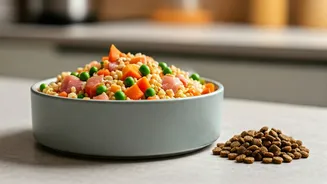
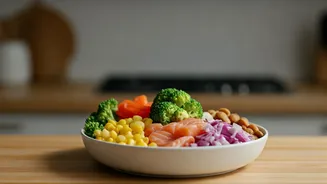
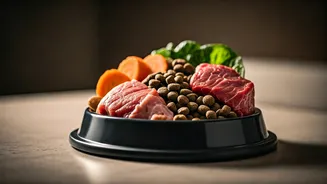
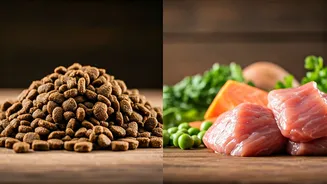
The good news is that the growing caution around kibble has led to a boom in healthier alternatives. For pet parents in India looking to upgrade their dog's diet, options now range from commercially available fresh-cooked food delivery services to freeze-dried or air-dried foods that preserve nutrients without high-heat processing. Even making simple additions to a kibble diet, like plain boiled chicken, steamed vegetables like carrots, or a dollop of plain yoghurt, can boost nutritional value and moisture. While high-quality kibble still has its place, especially for its convenience and dental benefits in some cases, the trend is moving towards minimally processed, whole-food ingredients that more closely resemble a natural canine diet.