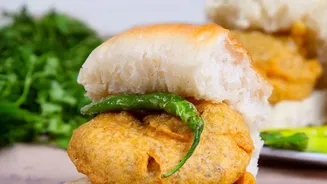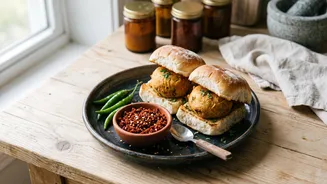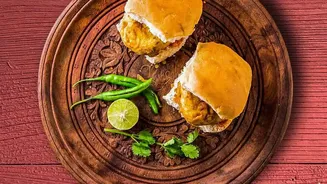

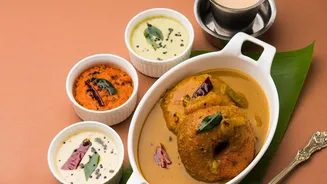
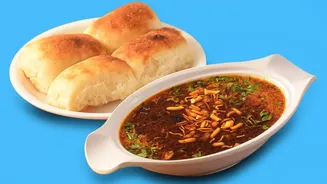
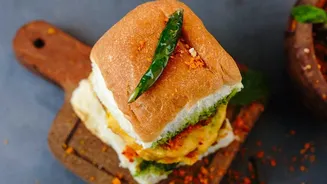
Nothing captures the spirit of Mumbai quite like the Vada Pav. This humble 'Bombay Burger' is a flavour-packed powerhouse of spicy potato, soft bread, and fiery chutneys. Here’s how to master the classic and get creative in your own kitchen.
The Anatomy of a Perfect Vada Pav
Before you
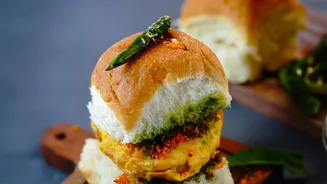
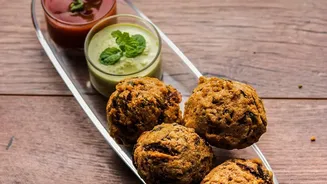
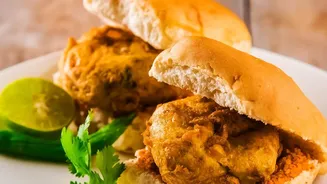
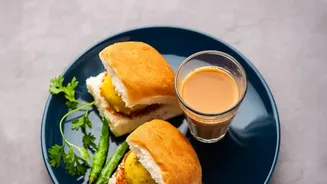
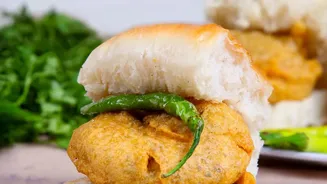
start cooking, it's essential to understand what makes a Vada Pav truly special. It's a symphony of textures and flavours, with each component playing a crucial role. At its heart is the batata vada, a spiced potato dumpling. This isn't just mashed potato; it's a fragrant mixture of boiled potatoes, tempered with mustard seeds, curry leaves, ginger, garlic, and green chillies. This flavourful ball is then coated in a thick batter made from besan (gram flour) and deep-fried to golden perfection. The vada is then nestled inside a soft, fluffy bread roll known as a ladi pav. But the magic doesn't stop there. The final flourish comes from the chutneys. While green chutney (coriander and mint) and sweet tamarind chutney are popular additions, the one non-negotiable element is the dry garlic chutney, or 'lasun chutney'. This fiery, crumbly condiment made from garlic, coconut, and red chillies provides a pungent kick that defines the authentic Vada Pav experience.
Mastering the Batata Vada
The soul of the Vada Pav is the vada itself. To achieve that perfect street-style taste, start with the right potatoes. Boil them until they are tender but not waterlogged, as excess moisture can make the filling pasty. Once boiled, peel and let them cool completely, even refrigerating them for a bit to reduce stickiness before mashing. Mash them coarsely, leaving a few small lumps for texture. Next, prepare the tempering. Heat oil and crackle mustard seeds, then add asafoetida (hing), curry leaves, and a coarse paste of ginger, garlic, and green chillies. Sauté until fragrant, add turmeric, and then mix in the mashed potatoes. Finish with salt and a squeeze of lemon juice for brightness. For the batter, use good quality besan mixed with a little rice flour or corn starch for extra crispiness. The batter should be thick enough to coat the back of a spoon in a smooth, unbroken ribbon. Let it rest for at least 10 minutes before frying.
Essential Tips for Home Cooks
Recreating street food magic at home is all about the details. First, pay attention to your oil temperature. For frying the vadas, the oil should be moderately hot, around 175-180°C. If it's too cool, the vadas will absorb too much oil and become greasy; if it's too hot, the outside will burn before the inside is properly heated. A simple test is to drop a small bit of batter into the oil; it should sink slightly and then rise to the surface in a few seconds, sizzling steadily. Another key tip is to not overcrowd the pan. Fry only 3-4 vadas at a time to maintain a stable oil temperature. Once they're golden brown and crisp, drain them on a wire rack instead of paper towels. This allows steam to escape from the bottom, preventing the crust from getting soggy. Finally, assemble your Vada Pav just before serving to ensure the pav is soft and the vada is crisp. Don't be shy with the dry garlic chutney—it's the signature flavour.
Delicious Variations to Try
Once you've mastered the classic, the Vada Pav becomes a canvas for creativity. One of the most popular modern twists is the Cheese Vada Pav, where a slice of cheese is placed on the hot vada, allowing it to melt into gooey perfection. For those who enjoy Indo-Chinese flavours, the Schezwan Vada Pav is a must-try. Here, a layer of spicy Schezwan sauce is slathered inside the pav, adding an extra dimension of heat and tang. You can also experiment with the vada itself. For a protein boost, some have created a Chicken Vada Pav, using a spiced chicken mince patty instead of potato. Another interesting take is the 'Ulta' or 'inside-out' Vada Pav, where the pav is dipped in the besan batter and fried along with the vada. For a healthier approach, you can try pan-frying or air-frying the vadas instead of deep-frying, though this will alter the traditional texture.