



Start by Rethinking Packaging
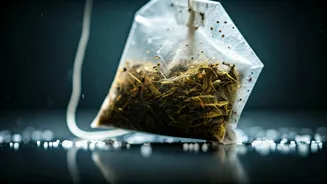
A significant source of microplastics in groceries comes from the packaging itself. Studies show that actions as simple as opening a plastic bag or wrapper can transfer microscopic particles to your food. The solution starts with choosing different materials
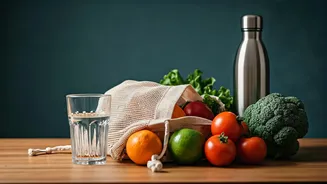
at the store. Whenever possible, opt for groceries sold in glass jars, metal cans, or paper cartons. Many items like milk, sauces, and oils are available in non-plastic options. When you do buy items in plastic, transfer them to glass or stainless steel containers as soon as you get home to reduce the duration of contact. This simple habit of decanting can make a substantial difference over time.
Choose Your Groceries Wisely
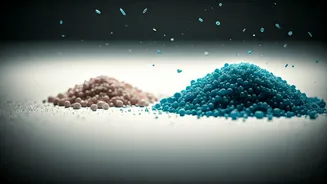
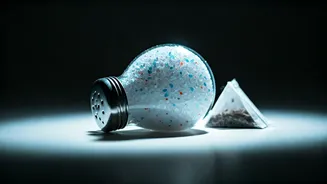
Some foods are more prone to microplastic contamination than others. Bottled water is a major source; studies have found it can contain thousands of plastic particles per litre, often from the bottle and cap. Switching to filtered tap water stored in a glass or metal bottle is a high-impact change. Seafood, particularly filter-feeding shellfish like mussels and oysters, can accumulate microplastics from polluted waters. Even fruits and vegetables can absorb microplastics through contaminated soil and water. Apples, pears, carrots, and broccoli have been noted in some studies to contain particles. While you can't eliminate this entirely, being aware helps in making balanced choices. Similarly, sea salt can be more contaminated than rock salt or Himalayan salt, which are mined from ancient, less polluted sources.
Transform Your Kitchen Habits
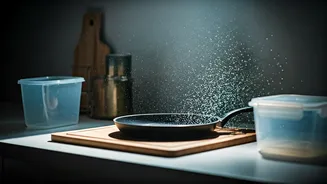
Your actions in the kitchen play a crucial role. Never microwave food in plastic containers, even if they are labelled 'microwave-safe'. This label means the container won't melt, but heat dramatically increases the release of millions of micro- and nanoplastic particles into your food. Always transfer food to a glass or ceramic dish before heating. Plastic cutting boards are another hidden source; chopping can shed thousands of particles directly into your meal. Opting for a wooden or bamboo cutting board is a safer alternative. The same logic applies to utensils—using metal or wooden spoons and spatulas, especially with hot food, prevents plastic from leaching from nylon or other plastic tools. Damaged non-stick pans can also release thousands of plastic particles from their coatings when scratched.
Wash Your Produce and Grains
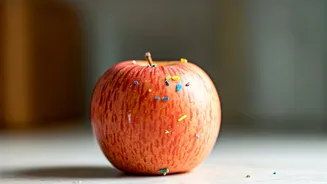
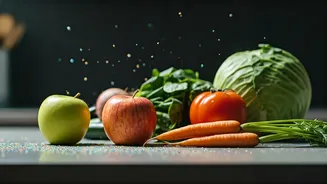
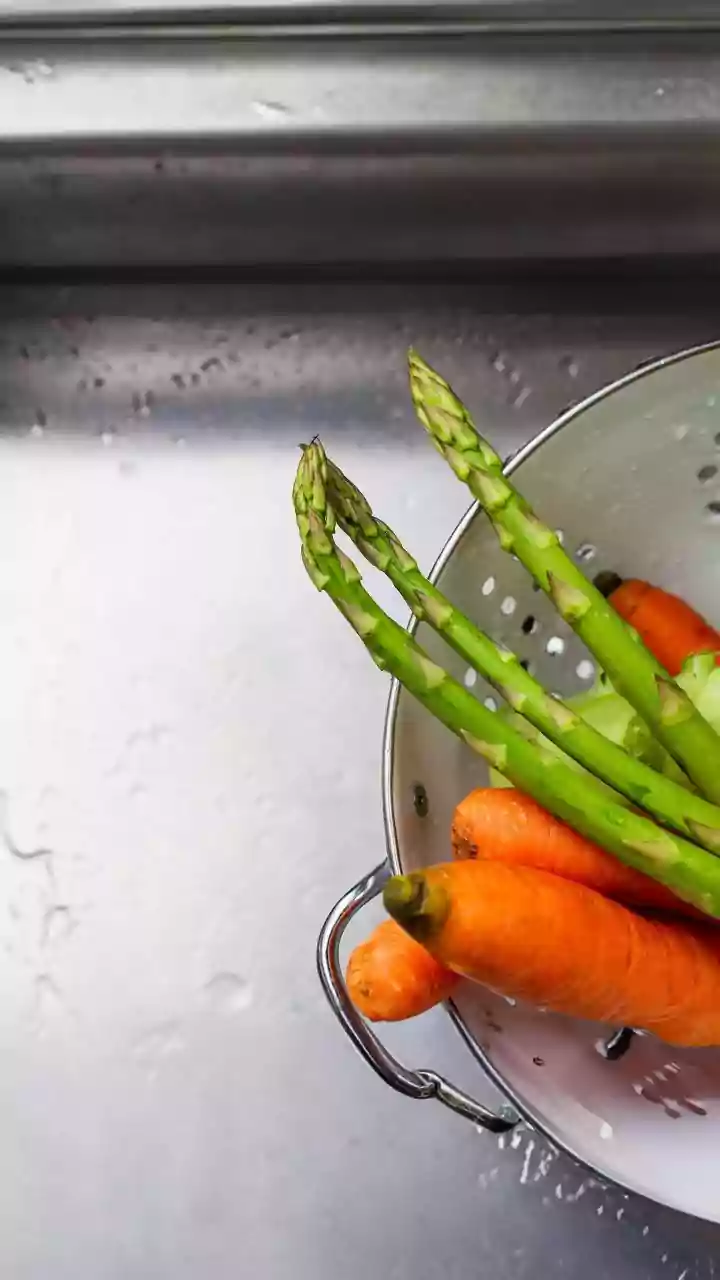
While some microplastics are absorbed into the tissue of fruits and vegetables, you can still remove surface contaminants. Thoroughly rinsing produce under running filtered water is a good first step. Some sources suggest that soaking fruits and vegetables in a solution of baking soda and filtered water may help remove more surface contaminants, though it won't affect plastics already inside the produce. This practice also applies to grains. One study found that washing rice before cooking can reduce its microplastic content by up to 40%. Interestingly, instant or pre-cooked rice tends to have a higher plastic content than uncooked varieties, likely due to the extra processing and packaging.
Limit Highly Processed Foods
Ultra-processed foods often involve more machinery, handling, and complex packaging, all of which are potential opportunities for microplastic contamination. Research has found that highly processed products like chicken nuggets and plant-based meat alternatives can contain more microplastics than their minimally processed counterparts, like raw chicken breast. By choosing whole foods that are closer to their natural state, you not only get more nutritional benefits but may also reduce your exposure to plastics introduced during manufacturing. Shopping the perimeter of the grocery store, where fresh produce, meats, and bulk bins are often located, is a good strategy to find less packaged and less processed items.