




The Great Rain Shadow Advantage
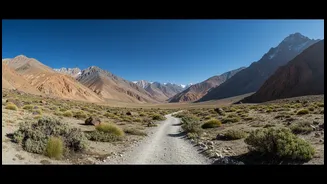
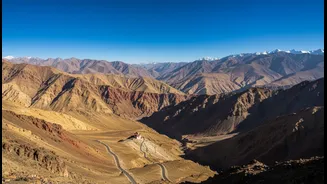
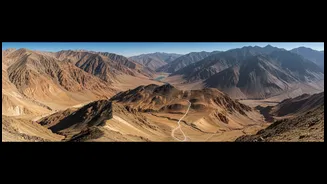
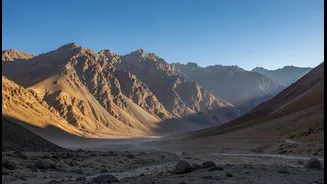
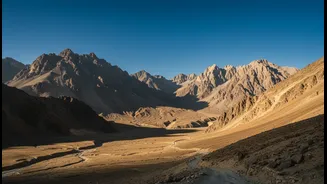
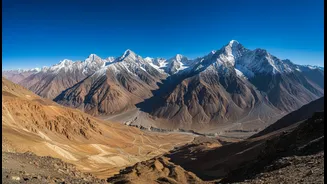
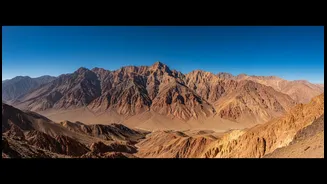
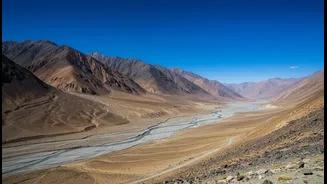
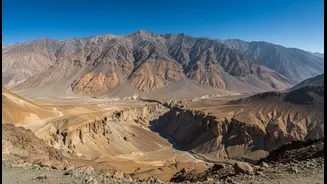
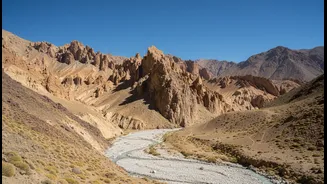
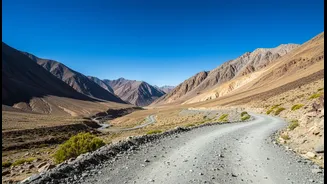
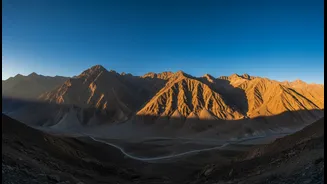
The primary reason for this tourism trend lies in a simple geographical phenomenon: the rain-shadow effect. Both Spiti Valley and Ladakh are located on the leeward side of the mighty Himalayan ranges. These towering mountains act as a formidable barrier,
blocking the moisture-laden monsoon clouds that sweep across the subcontinent from June to September. While the rest of the country experiences heavy downpours, these cold deserts receive minimal rainfall, resulting in dry, sunny days and clear blue skies. This makes them ideal for road trips and outdoor exploration at a time when many other hill stations are grappling with landslides and relentless rain.
Verifying the Tourism Boom
Recent data confirms that Ladakh, in particular, is experiencing a significant tourism boom in 2026. Official figures for June 2026 show a 43.48% growth in tourist arrivals compared to the previous year, with a total of 1,07,740 visitors. For the first six months of 2026, over 225,000 tourists have visited the Union Territory. This surge is attributed to improved infrastructure, better connectivity, and promotional efforts positioning Ladakh as a year-round destination. While specific numbers for Spiti are harder to isolate, travel operators report it as a top trending destination, especially for those seeking an alternative to the now bustling Ladakh.
A New Kind of Adventure Seeker
The appeal of Spiti and Ladakh also taps into a broader shift in what Indian travellers want from a vacation. There is a growing demand for experience-led travel that goes beyond conventional sightseeing. Modern tourists, particularly younger demographics, are increasingly seeking adventure, cultural immersion, and destinations that offer a sense of discovery. Spiti's remote monasteries, challenging treks to high-altitude lakes like Chandratal, and the thrill of visiting the world's highest post office in Hikkim cater perfectly to this desire for raw, unfiltered experiences. Ladakh offers a mix of accessible adventure in the Nubra Valley and around Pangong Tso, combined with the vibrant culture of Leh.
Monsoon Landscapes with a Twist
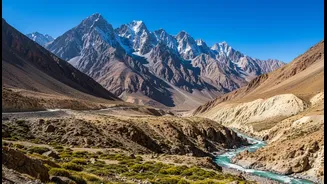
A July trip to these regions offers a visual spectacle unlike any other. While they are deserts, the minimal precipitation they do receive can cause small patches of the valleys to burst into surprising greenery, creating a stunning contrast against the barren, multi-hued mountains. In Spiti, the monsoon clouds often create dramatic, fast-moving skies that are a photographer's dream, without the accompanying downpour. It’s a chance to experience the atmospheric beauty of the season with the freedom to actually be outdoors enjoying it. Roads are generally open and accessible, making it a peak time for motorcycle expeditions and road trips.
The Flip Side: A Fragile Paradise
However, the tourism boom is a double-edged sword. The fragile ecosystems of these cold deserts are under immense pressure. In Ladakh, the surge in visitors has led to increased demand for water, with many hotels and guesthouses straining scarce groundwater resources by replacing traditional dry toilets with water-intensive flush systems. Waste management is another growing concern, as the infrastructure struggles to cope with the volume of non-biodegradable trash left behind. The rise in vehicular traffic also contributes to air and noise pollution, impacting the serene environment that draws people in the first place.