







From Pressure Cooker to Slow Simmer
Not long ago, the landscape of food TV was dominated by high-pressure competitions. Shows like 'Hell's Kitchen' and 'Top Chef' built their success on adrenaline, conflict, and the intimidating presence of celebrity chefs. The format was clear: chefs face
impossible odds, get yelled at by an egomaniacal genius, and are eliminated one by one. This style of programming treated the kitchen less like a place of nourishment and more like a gladiatorial arena, focusing on drama and the race against the clock. While undeniably entertaining, this era of food TV often presented cooking as a source of stress rather than joy, a skill to be perfected under duress rather than a craft to be savored.
The Rise of the Relatable Host
A new wave of shows has turned down the heat, prioritizing connection over competition. In 'Selena + Chef', superstar Selena Gomez learns to cook in real-time via video call with world-renowned chefs. It's casual, messy, and deeply relatable, as her struggles in the kitchen mirror those of many viewers at home. This format embraces imperfection and the joy of learning. Similarly, shows like Food Network's 'The Kitchen' feature a group of hosts in lively conversation, sharing recipes and tips in a friendly, collaborative environment. The focus has shifted from the untouchable expert to the personable guide, someone viewers feel they could cook alongside. This reflects a broader cultural desire for authenticity and human connection.
A Recipe for Comfort and Authenticity
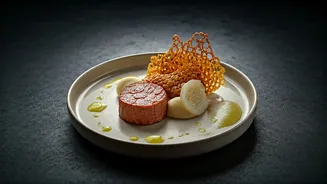
This trend towards warmer, more personal content isn't happening in a vacuum. It's part of a larger cultural shift, particularly in a world still processing the effects of a global pandemic. There's a growing demand for content that feels real and comforting. In food media, this translates to a rejection of hyper-curated perfection in favor of something more genuine. Consumers are increasingly drawn to “newstalgia”—classic comfort foods reinvented with modern twists—and the stories behind the food. The perfectly styled, flawless dish is being replaced by plating that looks achievable and behind-the-scenes moments that show mistakes and recovery. This hunger for authenticity has made viewers value the story and the humanity behind a dish just as much as the final product.
Storytelling as the Secret Ingredient
At its heart, the new food show is about storytelling. It's no longer just about *how* to make a dish, but *why* it matters. The history of cooking shows reveals an evolution from simple instruction to a form of entertainment that reflects our lifestyles and aspirations. Early shows aimed to teach domestic skills, but they soon incorporated personality and humor to keep audiences engaged. Today, that has evolved into a deeper exploration of culture and identity through food. Viewers want to know the origin of the ingredients, the history of the recipe, and the personal journey of the person cooking it. By foregrounding these narratives, shows create a richer, more meaningful experience that resonates on a personal level, turning a simple recipe into a shared story.