







Sleep Soundly on a Small Budget
Your biggest saving opportunity in Bali is accommodation. The island is famous for its vast network of hostels and locally-owned guesthouses, known as 'losmen'. In popular areas for young travellers like Canggu, Ubud, and Kuta, a dorm bed can cost as little
as $6 to $12 per night. These aren't just basic bunks; many modern hostels feature swimming pools, co-working spaces, and social events, making them a great way to meet other travellers. For those wanting more privacy, a basic private room in a guesthouse often ranges from $12 to $22, frequently including a simple breakfast of coffee, eggs, and toast. These spots provide a clean, safe, and incredibly affordable base for your adventures.
Feast for a Few Rupiah
To eat cheaply in Bali, you must embrace the 'warung'. These are small, family-run eateries serving authentic Indonesian and Balinese food at incredibly low prices. A hearty plate of 'nasi goreng' (fried rice) or 'mie goreng' (fried noodles) can cost as little as $1.50 to $3. Another must-try is 'nasi campur', a scoop of rice surrounded by a variety of small portions of meat, vegetables, and sambal. Places like Warung Biah Biah in Ubud or Warung Indonesia in Kuta are legendary among backpackers for offering delicious meals that rarely exceed a few dollars. For snacks, look for night markets ('pasar malam') where you can sample things like 'sate' (grilled skewers) and 'laklak' (a small coconut pancake) for pocket change. By avoiding the Western-style cafes and beachfront restaurants for most meals, your food budget will stretch much further.
Scenery That's (Almost) Free
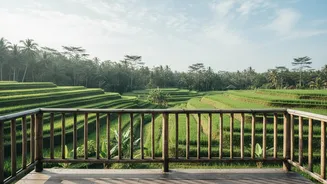
Bali's most breathtaking scenery often comes with no price tag. Exploring the island's countless beaches is a completely free activity, from the surfing hotspots of Uluwatu and Canggu to the calmer sands of Sanur. Sunsets are a daily spectacle that cost nothing to enjoy. For a dose of culture and nature, the Campuhan Ridge Walk just outside of Ubud offers a beautiful, gentle hike through lush hillsides and rice paddies for free. While some major temples like Tanah Lot and Uluwatu have small entrance fees (typically a few dollars), they offer incredible value for the stunning views and cultural experience. Many smaller village temples can be visited for a small donation, offering a more intimate glimpse into Balinese spirituality.
Get Around Without Breaking the Bank
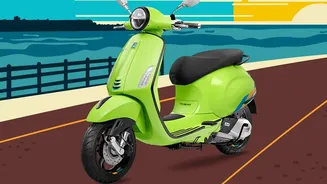
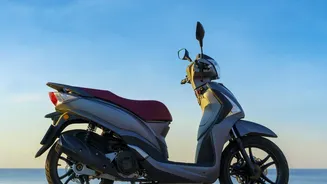
The most cost-effective and popular way for young travellers to explore Bali is by renting a scooter. Daily rentals typically cost between $5 and $8, giving you the freedom to discover hidden beaches, waterfalls, and villages at your own pace. For those not comfortable on two wheels, ride-hailing apps like Gojek and Grab are widely available and incredibly cheap. A short trip within a town might only cost a dollar, and they can also be used to order food delivery from local warungs directly to your guesthouse. For longer day trips, hiring a private driver can be economical for a small group, often costing around $40-50 for a full day of customised sightseeing.
Essential Money-Saving Hacks
A few extra tips can make a big difference. First, always try to eat where the locals do; if a warung is busy with Indonesians, it’s a good sign that the food is both delicious and well-priced. Second, while bargaining is expected at art and souvenir markets, do it respectfully and with a smile. Third, take advantage of happy hour deals at beach bars for cheaper drinks. Finally, remember that many of the best experiences—watching a local ceremony, getting lost in the rice fields, or chatting with friendly locals—don't cost a thing. A backpacker can comfortably get by on a daily budget of $30 to $50, covering all essentials.