




Understand Autumn's Edge
October in Spiti is a month of transition. While early October often boasts clear skies and pleasant days, the weather can change rapidly. Daytime temperatures can hover between 10-15°C but plummet to freezing or below at night. The primary danger for
drivers is the formation of black ice, especially in shaded areas and on high passes like Kunzum La. The Manali-Kaza highway often closes by late October due to snowfall, making the route via Shimla the more reliable, albeit longer, choice. Always build buffer days into your itinerary to account for weather-related delays and road closures. Drive only during daylight hours, as visibility drops significantly after dusk.
Vehicle Preparation Is Non-Negotiable
Your car is your lifeline in Spiti's remote landscape. A thorough service at least 10 days before your trip is mandatory. Pay special attention to brakes, tyres, clutch, and the cooling system. A vehicle with high ground clearance, like an SUV, is highly recommended to navigate the rough, unpaved sections and water crossings. Your essential vehicle toolkit should include a puncture repair kit, a reliable air compressor, jump-start cables, and a tow rope. Given the scarcity of fuel stations—the last reliable pumps are in Reckong Peo (Shimla route) or the Tandi/Keylong area (Manali route)—carrying extra fuel in a safe jerry can is a wise precaution.
Master High-Altitude Driving Techniques
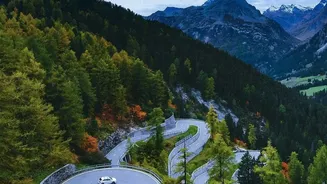
Driving in the Himalayas is unlike any other terrain. The golden rule is to give way to uphill traffic, as it's harder for them to restart on an incline. Use engine braking by shifting to lower gears during steep descents to avoid overheating your brakes. On narrow, winding roads, maintain a slow, steady speed and avoid sudden acceleration or braking, especially on gravel or icy patches. Honk on blind turns and always stay in your lane. Your engine will lose about 3% of its power for every 1,000 feet of altitude gain, so be patient with your vehicle's performance on steep climbs.
Respect Acute Mountain Sickness (AMS)
Altitude sickness is a serious risk that can affect anyone, regardless of fitness level. It is caused by lower oxygen levels at high altitudes, typically above 8,000 feet. Symptoms include headache, nausea, dizziness, and fatigue. The best prevention is gradual acclimatisation. The Shimla-Spiti route is better for this, as the altitude gain is more gradual. Plan to spend a night at an intermediate altitude like Kalpa or Nako before proceeding to Kaza. Stay hydrated by drinking 4-5 litres of water daily and avoid alcohol for the first few days. If symptoms become severe, such as difficulty breathing at rest, the only cure is immediate descent to a lower altitude. Some travellers consult a doctor about carrying Diamox (Acetazolamide) as a preventive measure.
Pack for Survival, Not Just a Holiday
Layering is the most effective way to dress for Spiti's fluctuating temperatures. Your packing list must include thermal inners, a fleece mid-layer, and a windproof, waterproof outer jacket. Essential accessories are woollen socks, waterproof trekking shoes, gloves, a warm cap or balaclava, and UV-protection sunglasses to combat the harsh sun and snow glare. Your medical kit should contain basics for pain, digestion, and cold, alongside any personal medications and a first-aid kit. Because connectivity is extremely limited—only BSNL and postpaid Jio work sporadically in Kaza—download offline maps and inform your family of your itinerary beforehand. Always carry more cash than you think you need, as ATMs are rare and often don't work.