





Why Repotting Is a Refresh, Not a Chore
Think of repotting as upgrading your plant's home. Over time, a plant's roots expand, and the soil it lives in becomes depleted of essential nutrients. Repotting provides fresh, nutrient-rich soil and, more importantly, gives the root system the space
it needs to grow. This supports the lush, vibrant foliage you see above the soil. Without this occasional refresh, a plant can become 'root-bound,' a condition where its roots are so tightly packed that they can no longer efficiently absorb water and nutrients, leading to stunted growth.
Understanding Your Plant’s Growth Rate
Not all plants grow at the same speed. The single most important factor in determining repotting frequency is whether you have a sprinter or a marathoner. Fast-growing plants might need a new pot every 12 to 18 months, especially when they are young. Moderate growers can often wait 2 to 3 years. You can identify a fast grower by its vigorous production of new leaves, stems, or vines during the growing season (spring and summer). If you bring a new plant home, give it a few weeks to acclimate before assessing its growth and deciding if it needs a new pot.
Fast-Growing Species to Keep an Eye On
Certain popular houseplants are notorious for their rapid growth and will likely need more frequent pot upgrades. Plants like Pothos (Epipremnum aureum), Spider Plants (Chlorophytum comosum), and many Philodendron varieties are known for their vigorous nature and may need repotting every 1-2 years. A Monstera deliciosa, especially a young one, will also quickly fill its pot. If you have one of these species, you should check it for signs of being root-bound annually, typically in the spring as the growing season begins.
Slow and Steady Marathoners
On the other end of the spectrum are the slow-growers that prefer to be left alone. Plants like the Snake Plant (Sansevieria), ZZ Plant (Zamioculcas zamiifolia), and most cacti and succulents grow very slowly and actually prefer being slightly crowded in their pots. For these types of plants, you may only need to repot every 3 to 5 years, or even less. Repotting them too often can cause unnecessary stress. For these plants, a key reason to repot is when you can see that the pot itself is becoming misshapen or the roots are breaking through.
Universal Signs That It's Time
Regardless of species, any plant will give you clear signals when it's outgrown its home. One of the most obvious signs is seeing roots growing out of the drainage holes at the bottom of the pot. You might also notice that you're having to water much more frequently because there isn't enough soil left to hold moisture. Other clues include water running straight through the pot when you water, slowed or stunted new growth during the growing season, or the plant becoming top-heavy and unstable.
The Ultimate Test: A Root Inspection
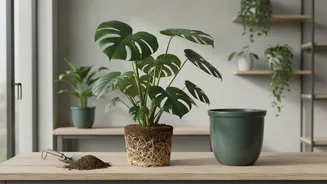
If you suspect your plant needs a new pot, the most definitive way to know is to check the roots. To do this, gently turn the pot on its side and carefully slide the entire plant out. If you see a dense, tightly wound mass of roots with very little visible soil, the plant is root-bound and ready for a move. If you see mostly soil with roots loosely running through it, the plant is happy and can be placed back in its current pot. This simple check takes the guesswork out of the equation and ensures you only repot when absolutely necessary.