
More Than a Makeover: Grooming as a Health Check
Think of your regular grooming session as a hands-on health scan for your pet. Because you are in close physical contact, you can feel and see things that are often hidden by fur. This allows for the early detection of issues that might otherwise go unnoticed
until they become more serious and uncomfortable for your pet. Brushing, for example, does more than just remove loose hair; it distributes natural skin oils, prevents painful matting, and gives you a chance to feel for any unusual lumps or bumps beneath the surface. This simple act transforms a basic chore into a crucial act of preventive care.
A Head-to-Tail Skin Inspection
A healthy pet's skin should be smooth and free of irritation. As you groom, gently part the fur to get a good look at the skin underneath. Be on the lookout for common warning signs that may require a vet's attention. This includes redness, rashes, or 'hot spots'—areas of inflamed, moist skin. Keep an eye out for excessive flaking or dandruff, which could indicate dry skin, a nutritional imbalance, or other issues. Also check for parasites like fleas and ticks, which often hide in warm areas like under the legs and around the tail. Any new lumps, bumps, sores, or patches of discoloured skin should be noted.
What Your Pet's Coat Is Telling You
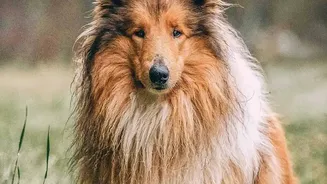
The condition of your pet's coat is a strong indicator of their overall health. A healthy coat is typically shiny and smooth, not dull, brittle, or greasy. While some shedding is normal, sudden patchy hair loss or significant thinning can be a red flag for underlying conditions, such as allergies, stress, or hormonal imbalances. A coat that is oily or has a strange odour might point to a skin condition called seborrhea or a potential infection. Severe matting isn't just a cosmetic problem; it can painfully pull on the skin, restrict airflow, and trap moisture, leading to irritation and infection.
Don't Forget the Details: Ears, Paws, and More
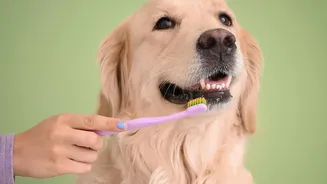
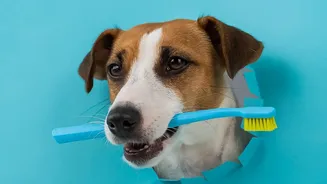
A thorough grooming check goes beyond the main body. Pay attention to your pet’s ears, checking for redness, unusual odours, or excessive wax buildup, which can be signs of an ear infection. Inspect their paws for cracked pads, cuts, or swelling between the toes. Overgrown nails can affect your pet's posture and cause pain, so regular trims are important for their comfort and mobility. Also, take a quick look at their eyes for any redness or discharge and check their mouth for signs of dental issues like bad breath or inflamed gums.
Making It a Positive Routine
To make these health checks effective, grooming needs to be a regular and positive experience for your pet. Start with short sessions and use plenty of praise and treats. Choose a calm, quiet time when you are both relaxed. The goal is to build trust and help your pet associate grooming with pleasant attention. When your pet is comfortable being handled, you'll have a much easier time performing these quick but vital checks. This consistent routine not only keeps them healthy but also deepens the bond you share.