



Choose the Right Container and Plant
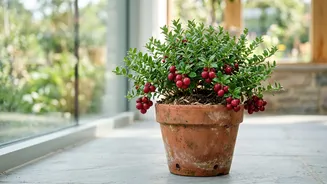
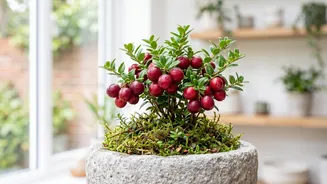
Success with indoor cranberries begins with the right home. Since these plants are spreaders with shallow roots, opt for a wide container rather than a deep one. A pot that is at least 30 cm across provides ample room for the runners to spread. Good drainage
is non-negotiable to prevent root rot, a common issue when trying to keep soil consistently damp. Self-watering containers can be an excellent choice, as they provide steady moisture from a reservoir without waterlogging the soil. When selecting a plant, look for established two- or three-year-old plants from a nursery, as this will significantly speed up the time to your first harvest. Varieties like 'Pilgrim' or 'Stevens' are known to perform well in home garden settings.
Create the Perfect Acidic Soil
Cranberries are specialists that demand acidic soil to thrive, a condition that is actually easier to create and maintain in a container than in a garden bed. You cannot use standard potting soil. The ideal soil pH is between 4.0 and 5.5. The easiest way to achieve this is by using a bagged ericaceous compost, the same kind used for blueberries and rhododendrons. For an even better medium, you can create your own mix. A popular recipe is three parts peat moss to one part sand or perlite. This combination provides the necessary acidity from the peat while ensuring the soil structure remains loose and well-aerated, preventing the roots from suffocating.
Mastering the Art of Moisture
The headline says it all: keeping cranberry plants moist is the central challenge and key to success. These plants are native to bogs, so they must never be allowed to dry out. However, 'moist' does not mean 'waterlogged'. The soil should feel consistently damp, like a wrung-out sponge, but not saturated. Good drainage in your pot is critical to allow excess water to escape. Check the soil daily, especially in warmer weather, as containers can dry out quickly. It's highly recommended to use rainwater for your cranberry plant, as tap water in many areas is alkaline and can raise the soil's pH over time, harming the plant. If you notice the soil surface is dry, it's time to water thoroughly until it runs from the drainage holes.
Sunlight and Temperature Needs
To produce flowers and fruit, cranberry plants need plenty of light. Place your container in the sunniest spot you have, ideally near a south_facing window where it can receive at least six hours of direct sunlight per day. If you don't have enough natural light, a grow light can be used to supplement. While they love sun, they are cool_climate plants. Optimal growth occurs when temperatures are between 15°C and 26°C. In hot summer weather, moving the plant to a spot with some afternoon shade can prevent stress.
Will It Actually Bear Fruit?
With the right care, an indoor cranberry plant can indeed produce fruit, usually beginning in its second or third year. However, there is one significant hurdle for indoor growers: chilling hours. To set buds for the following season, cranberry plants require a period of dormancy in cold temperatures. They need several hundred hours of temperatures below 7°C. For an indoor plant, this can be achieved by moving the pot to an unheated garage, a shed, or a protected spot outdoors during the winter. After this chilling period, you can bring it back inside to a sunny spot for the spring growth cycle. Pollination is also required, so during flowering, you may need to gently shake the branches or use a small brush to transfer pollen between flowers.