





Beyond the Monument Checklist
For decades, urban tourism in India often meant a hurried checklist: see the fort, snap a photo at the grand monument, and move on. Immersive walking tours offer a compelling alternative. They trade the panoramic but detached view from a tour bus for the granular
reality of the street. The focus is not just on 'what' you are seeing, but 'why' it matters. These experiences are built around a narrative, whether it’s the evolution of a colonial district, the culinary history of a street food lane, or the unsung stories of communities that have shaped a neighbourhood. Guides are often passionate locals—historians, architects, or lifelong residents—who act as storytellers, bringing the past to life with anecdotes and deep-seated knowledge that you won't find in a standard guidebook.
A Tale of Many Cities
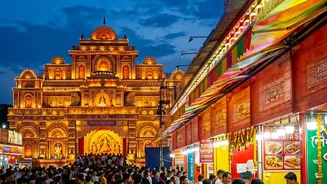
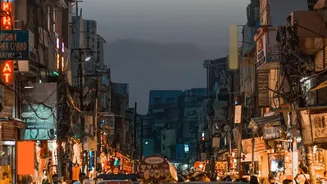
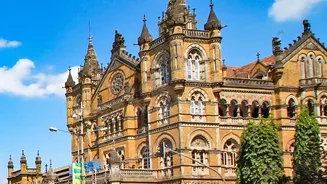
This trend is not confined to one or two metros; it's a pan-India phenomenon. In Old Delhi, a heritage walk takes you through the dense lanes of Shahjahanabad, not just to see the Jama Masjid, but to understand the rhythm of life in the Mughal-era city, tasting iconic foods along the way. In Mumbai, you can join a tour exploring the Art Deco heritage of Marine Drive or the vibrant street art of Bandra. Kolkata’s walks delve into its colonial past and literary history, while in Hampi, you can wander through the ruins of the Vijayanagara Empire, with guides who make the silent stones speak of its former glory. Even cities like Jaipur, Pune, and Chennai offer curated walks that reveal hidden histories and local cultures, from ancient temples to bustling markets.
The Search for Authentic Connection
So, why the surge in popularity? The answer lies in a shifting traveller mindset. Modern tourists, especially younger generations, are increasingly seeking authentic, meaningful experiences over passive sightseeing. They want to connect with a place on a deeper level. The rise of social media also plays a role, with travellers eager to share unique, story-rich experiences that stand out from the typical tourist trail. These walks are designed to be sensory and engaging—you don't just see a spice market, you smell the cardamom and cloves; you don't just pass a food stall, you taste a dish that has been made the same way for generations. This move towards experiential travel has found its perfect expression in the humble act of walking.
More Than Just a Tourist Activity
The impact of these tours extends beyond the tourist. They provide a platform for local storytellers and create economic opportunities for small, neighbourhood businesses—the chaiwala, the local artisan, the family-run eatery—that are often bypassed by large-scale tourism. By drawing attention to lesser-known parts of a city's heritage, from old 'havelis' to community traditions, these walks can also foster a greater appreciation for conservation among both visitors and locals. Some tours even focus on social impact, highlighting organisations that promote sustainable practices or empower local women, turning tourism into a force for good. It’s a model of tourism that is more sustainable and community-focused, investing directly in the fabric of the city.