






Humidity: The Real Root of the Problem
The single biggest challenge during the monsoon isn't dirt—it's moisture. High humidity creates the perfect breeding ground for mould, mildew, bacteria, and pests. Fungi and bacteria thrive in damp environments, leading to that characteristic musty smell
and potential health issues like allergies and respiratory problems. A study even found that indoor humidity above 70% can lead to mould establishing itself on surfaces within 24 to 48 hours. Therefore, the most effective cleaning strategy isn't about scrubbing harder; it's about controlling the moisture in your home first and foremost. By tackling the dampness, you eliminate the environment where most monsoon-related hygiene problems begin.
Ventilation Is Your First Line of Defence
Before you reach for any cleaning product, think about airflow. Stagnant air traps moisture, so promoting circulation is critical. Make it a habit to open windows and doors for a few hours on dry or less humid days to allow fresh air to circulate and push damp air out. For areas that are naturally damp, like bathrooms and kitchens, consistently using exhaust fans during and after activities like showering or cooking can significantly reduce moisture buildup. Even simple acts like keeping a small gap between furniture and walls can prevent moisture from getting trapped and leading to fungal growth on both your walls and belongings.
Natural Solutions to Absorb Excess Moisture
Instead of relying solely on chemical sprays, you can use natural, absorbent materials to combat dampness in enclosed spaces like cupboards and wardrobes. Bowls of rock salt or charcoal briquettes are excellent at absorbing moisture from the air. You can also save and reuse the small silica gel packets that come with new shoes or electronics; place them in drawers, closets, and storage boxes to keep the contents dry and free from mildew. For a pleasant scent along with moisture absorption, placing camphor balls, dried neem leaves, or cloves in corners and cupboards can help protect clothes and other items.
Rethinking Your Cleaning Arsenal
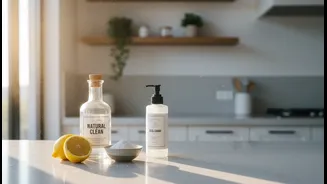
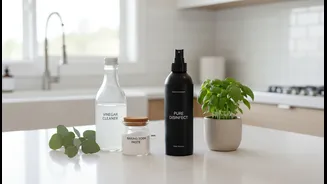
The instinct to use the strongest possible disinfectants can be counterproductive and even unhealthy. Many harsh chemical cleaners release Volatile Organic Compounds (VOCs), which can irritate the eyes and respiratory system, a problem made worse in poorly ventilated, humid homes. Instead, consider gentler but highly effective alternatives. A solution of equal parts white vinegar and water works as a natural disinfectant and is effective against mould. Baking soda is another versatile tool; it can be used to scrub surfaces, or sprinkled on carpets and upholstery before vacuuming to absorb both moisture and odours.
Protecting Wardrobes and Fabrics
That familiar musty smell in clothes and linens is a direct result of mildew growth in damp, enclosed wardrobes. The key is to ensure everything is completely dry before storing it. If sunlight is scarce, dry clothes under a fan before putting them away. Inside wardrobes, you can line shelves with newspaper, which is highly porous and helps absorb latent moisture. Avoid packing clothes too tightly to allow for some air circulation. Regularly airing out heavy items like blankets and rugs, even indoors on a dry day, prevents them from trapping the dampness that leads to bad odours and fungal growth.
Keeping Pests Away Without Harsh Chemicals
The monsoon is prime time for insects and other pests, who are drawn to the damp, cool conditions inside homes. Before you resort to chemical insecticides, ensure your basic hygiene is sound. Don't allow water to stagnate in or around your home, as this creates breeding grounds for mosquitoes. Keep your kitchen counters and floors clean and dry, and store food in airtight containers to avoid attracting ants and cockroaches. Regularly cleaning drains with hot water can prevent clogs and deny pests a place to breed. Natural deterrents like neem leaves, cloves, and camphor can also help keep insects out of cupboards and storage areas.