





The Quiet Comeback of Walking
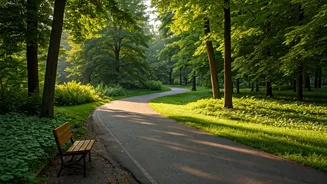
For years, walking was seen as the entry-level exercise—something you did if you couldn't do anything else. It was the warm-up, not the main event. But that perception is rapidly changing. Across India, from bustling city parks at dawn to quiet neighbourhood
lanes after dinner, a movement is growing. People are rediscovering walking not as a last resort, but as a powerful, deliberate choice for physical and mental well-being. This isn't just about getting your 10,000 steps in. It's a conscious shift away from the ‘no pain, no gain’ philosophy towards a more sustainable, joyful, and holistic approach to fitness.
More Than Just Burning Calories
The physical benefits of a consistent walking habit are well-documented and profound. It’s a low-impact exercise, meaning it’s gentle on your joints—a significant plus for people of all ages and fitness levels. Regular brisk walking is proven to help manage weight, lower blood pressure, reduce the risk of type 2 diabetes, and improve cardiovascular health. According to the World Health Organization, adults should aim for at least 150 minutes of moderate-intensity aerobic activity per week, and walking fits this recommendation perfectly. It strengthens your bones and muscles, improves your balance, and boosts your immune system. It's a full-body workout that doesn't leave you feeling depleted, but rather, energised.
A Workout for Your Mind
Perhaps the most revolutionary aspect of this trend is the recognition of walking as a mental health tool. In our hyper-connected, always-on world, a simple walk offers a precious opportunity to disconnect from screens and reconnect with yourself and your surroundings. Studies have shown that walking, particularly in nature or green spaces, can significantly reduce stress, anxiety, and symptoms of depression. The rhythmic, repetitive motion of walking has a meditative quality that can calm a racing mind. It boosts the production of endorphins, the brain's natural mood-lifters, leading to what is often called a 'walker's high.' Many people also report a surge in creativity and problem-solving abilities during or after a walk, as it allows the mind to wander and make new connections.
The Social Stride
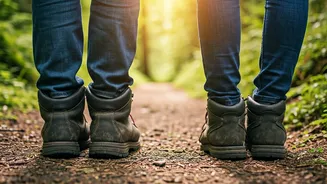
This revolution isn't a solitary one. The social component of walking is a huge part of its new appeal. All over the country, walking groups and clubs are forming, creating communities built on shared goals and mutual encouragement. These groups turn a simple activity into a social event, providing motivation, accountability, and a sense of belonging. Social media trends have also played a role, reframing walking as something cool and aspirational. It's a chance to explore your own city, discover hidden gems, and connect with your community on a human level, one step at a time. It’s fitness that builds social fabric, not just muscle.
How to Join the Movement
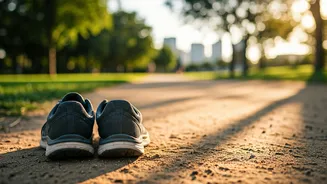
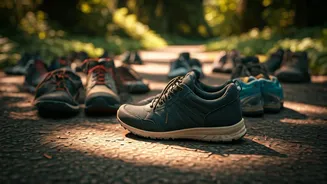
Getting started is incredibly simple, but staying consistent is key. First, invest in a comfortable pair of shoes—it’s the only equipment you truly need. Start small; a 15-minute brisk walk each day is a fantastic beginning. Use 'habit stacking' by linking your walk to an existing routine, like walking right after your morning tea or after dinner. Explore different routes to keep things interesting. Listen to a podcast, an audiobook, or music, or simply enjoy the ambient sounds around you. If you need motivation, use a basic step-tracking app on your phone or find a friend to walk with. The goal is not perfection, but consistency. Don't worry about speed or distance at first; just focus on the act of moving your body and enjoying the journey.