






The Western Detox Myth
Scroll through social media and you’re bound to see it: the 'detox' trend. It usually involves expensive cold-pressed juices, cayenne pepper concoctions, or days of consuming nothing but liquids. The promise is a quick fix—a reset button for your body
after a period of indulgence. However, this approach is often based on a misunderstanding of how our bodies work. Our liver and kidneys are incredibly efficient, built-in detoxification systems. Starving them of essential fibre and nutrients can actually make their job harder, not easier. These crash diets often lead to muscle loss, nutrient deficiencies, and a rebound effect where you feel even more sluggish once you return to normal eating.
The Indian Wisdom: Aligning with Ritu
The traditional Indian approach, deeply rooted in Ayurveda, offers a saner, more sustainable alternative. The concept of 'Ritucharya' (seasonal regimen) suggests that our diet and lifestyle should change with the seasons to maintain balance, or 'dosha'. This isn't about a dramatic, short-term 'cleanse.' Instead, it's a continuous, gentle process of supporting your body's natural functions by eating what nature provides, when it provides it. The goal isn't to shock the system, but to align with it. It’s about eating local, seasonal foods that help your body cope with the specific challenges of the climate, whether it’s the searing heat of summer or the damp chill of the monsoon.
Summer: Cool, Light, and Hydrating
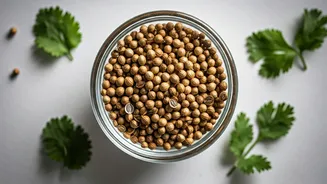
As the temperature soars, our digestive fire ('agni') is believed to weaken. The Indian seasonal approach doesn't fight this; it accommodates it. Summer detox is all about eating light, cooling, and hydrating foods. Think of juicy watermelons, cucumbers, and the refreshing tang of kokum sharbat. A glass of sattu drink provides not just cooling but also protein and fibre. Foods with high water content, like lauki (bottle gourd) and tori (ridge gourd), become staples. Herbs like mint and coriander are used generously, not just for flavour but for their cooling properties. This is the opposite of starving; it's about intelligently choosing foods that prevent heat-related issues like dehydration and indigestion.
Monsoon: Immunity-Boosting and Digestive Care
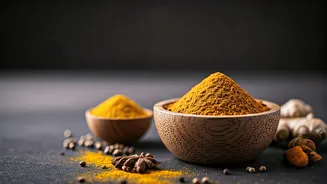
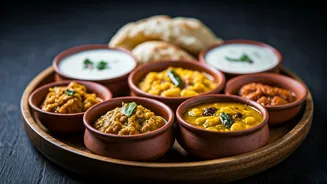
The monsoon brings relief from the heat, but also humidity and a higher risk of water-borne infections. The body's immunity can be compromised. Accordingly, the traditional diet shifts. Warm, freshly cooked, and easily digestible meals are preferred. This is the season for ginger, turmeric, garlic, and black pepper—spices known for their anti-inflammatory and immunity-boosting properties. Think of warm bowls of dal, vegetable soups, and moong dal khichdi. It’s also a time when tradition advises being cautious with raw vegetables and leafy greens, which may harbour microbes. The focus is on strengthening the body's defences and supporting a digestive system that can be sluggish in the damp weather.
Winter: Warm, Nourishing, and Energising
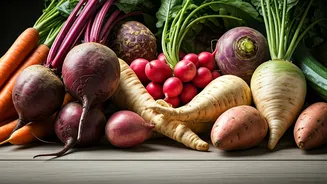
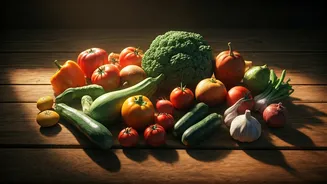
In winter, the digestive fire is considered strongest. The body craves energy to stay warm, and nature provides just the right foods. This is the season for nourishing, heat-generating meals. Root vegetables like carrots, beets, and sweet potatoes are abundant. Millets like bajra and jowar, often made into hearty rotis, provide sustained energy. Nuts, seeds, and healthy fats from ghee are encouraged to provide warmth and lubrication for the joints. This is the time to enjoy til (sesame) and gud (jaggery) ladoos, which are not just treats but functional foods designed to combat the cold. The winter 'detox' is about building strength and reserves, not depleting them.