



More Than Just a Stroll With Poles
At first glance, it might look like hiking, but Nordic walking is a unique fitness discipline of its own. Originating in Finland as a summer training method for cross-country skiers, it's a specific technique designed to turn walking into a total-body
exercise. Unlike regular walking, which primarily uses muscles in the lower half of the body, Nordic walking uses specially designed poles to engage the upper body with every stride. The key is the technique: you use the poles to push off the ground and propel yourself forward. This action transforms a simple walk into a coordinated, rhythmic movement that engages your arms, shoulders, chest, and back, alongside your legs and core.
The Upper-Body Advantage
The magic of Nordic walking lies in how it activates muscles that a regular walk completely misses. By planting the poles and pushing off, you actively engage your chest, triceps, biceps, shoulders, and the large muscles of your upper back. This constant push-and-propel motion provides a consistent, low-impact resistance workout for your entire upper torso. Studies show this engagement can turn your walk into a workout that uses up to 90% of your body's muscles, compared to just 50% with regular walking. The benefits include improved upper-body strength, better posture from strengthening your back and core, and even increased grip strength.
A Full-Body Calorie Burner
Engaging more muscles means your body works harder and burns more energy. Research consistently shows that Nordic walking can increase calorie expenditure by anywhere from 20% to over 60% compared to walking at the same speed without poles. This makes it a significantly more efficient workout, allowing you to get more fitness benefits in the same amount of time. Furthermore, because more muscles are demanding oxygen, your heart has to work harder, making it a superior cardiovascular exercise. Recent studies have even highlighted its effectiveness for improving heart function in patients with coronary artery disease. Yet, because the poles provide support and help distribute the effort across the entire body, the workout often doesn't feel significantly harder than a brisk walk.
Gentle on Joints, Great for Balance
For those with knee, hip, or back concerns, high-impact exercises can be a challenge. Nordic walking offers a fantastic low-impact alternative. The poles help absorb some of the shock with each step, reducing the stress on your lower-body joints. This makes it an accessible activity for people of all ages and fitness levels, including older adults or those recovering from injuries. Additionally, using the poles provides two extra points of contact with the ground, which significantly improves stability and balance. This added support can boost confidence for those who are unsteady on their feet and reduce the risk of falls.
Getting Started: Gear and Basic Technique
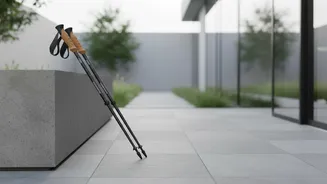
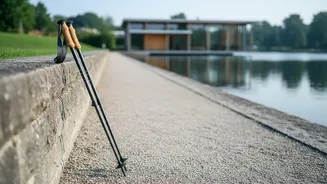
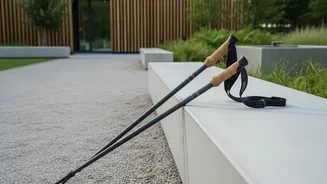
To begin, you'll need a pair of dedicated Nordic walking poles. These are different from hiking or trekking poles; they are lighter and have a special glove-like strap system that allows for the proper push-off technique. The basic movement mimics natural walking: you swing your arms in opposition to your legs (left leg forward, right arm forward). Plant the pole at an angle behind you, push off to propel yourself forward, and let your hand open slightly at the end of the arm swing. Maintaining good posture is key: walk tall, keep your shoulders relaxed, and look forward. While you can find many tutorials online, taking a lesson from a certified instructor is the best way to ensure you nail the technique and reap the full benefits.