


Moving Beyond the Monolith
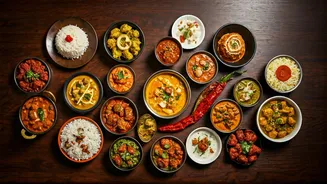
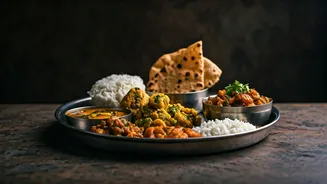
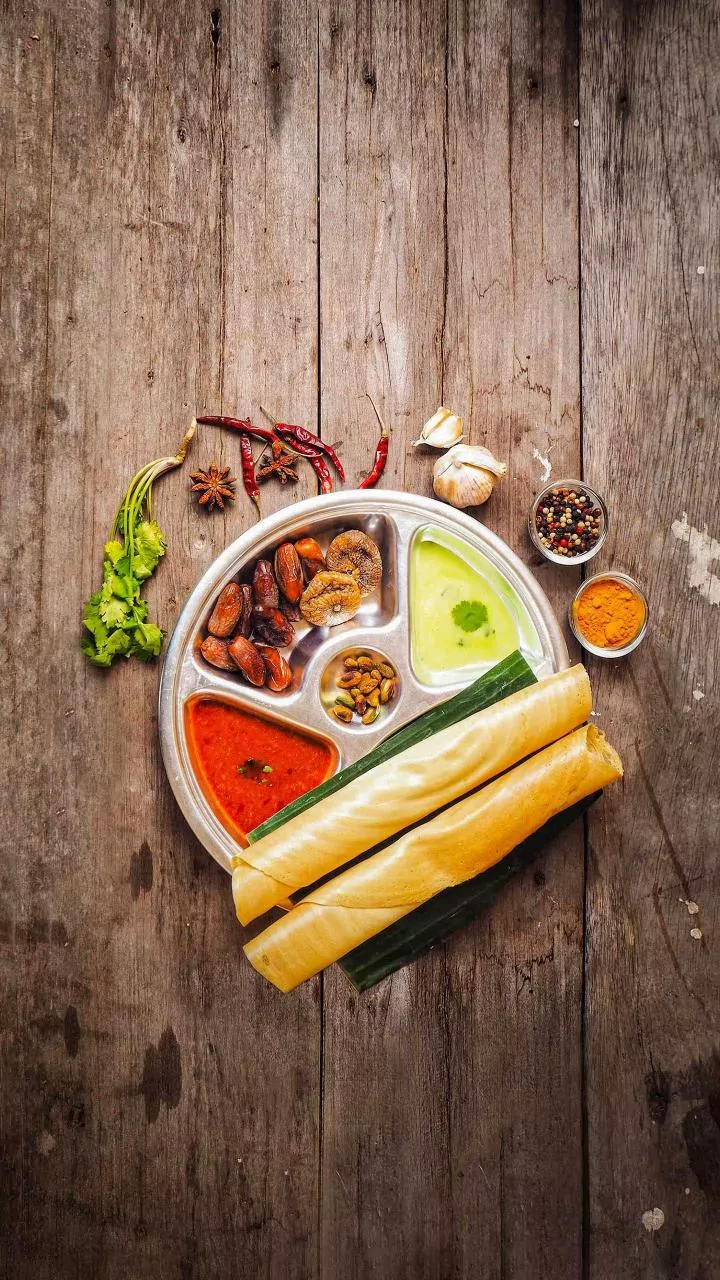
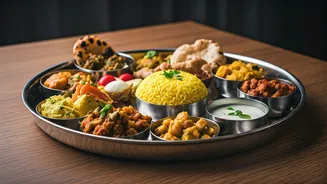
For a long time, the perception of "Indian food," both at home and abroad, was limited to a handful of rich, Mughlai-inspired dishes from the North. This created a culinary monolith, where the incredible diversity of India’s regional kitchens was overshadowed.
While delicious, dishes like chicken tikka masala and saag paneer became the default, representing an entire subcontinent's cuisine. [3] The global consumer was introduced to a simplified, 'safe' version of Indian food. [3] This is now changing, as diners and chefs alike are looking past the familiar to explore the true breadth of what India has to offer. [3, 9]
A Return to Regional Roots
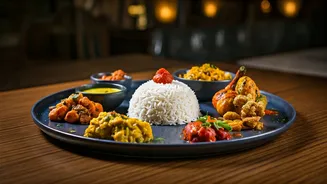
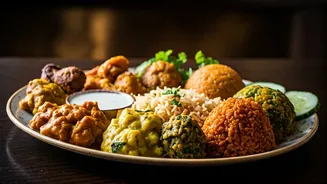
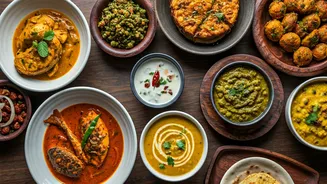
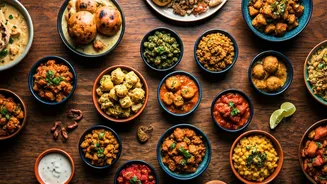
The most significant shift is the enthusiastic return to regionalism. Chefs and restaurants are now championing the distinct culinary identities of individual states and communities. [9, 11] There's a growing appreciation for the lesser-known traditions from states like Nagaland, Odisha, Rajasthan, and Kerala. [4, 5, 9] This trend involves moving beyond broad 'North Indian' or 'South Indian' labels to celebrate specific dishes, ingredients, and cooking techniques that tell a hyper-local story. [9, 22] You might see a menu celebrating Parsi favourites like Salli Boti, coastal Konkani fish curries, or the unique flavours of Rajasthani ker sangri. [9, 10] This focus on regional authenticity is helping to create a more accurate and diverse picture of Indian food. [8, 14]
Ingredients Take Centre Stage
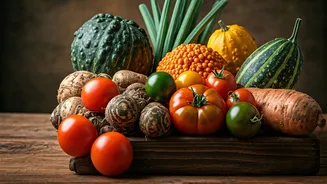
Another key trend is the move away from heavy masalas that mask flavours to a more ingredient-focused approach. There is a newfound respect for the quality and story of the produce itself. [20] Chefs are building menus around high-quality, seasonal, and locally sourced components, from fresh seafood on the coasts to foraged greens in the Himalayas. [21] This includes a significant revival of ancient and indigenous grains like millets (ragi, jowar, bajra). [7, 17, 18] Once considered 'inferior' grains, they are now celebrated for their nutritional benefits, sustainability, and versatility in everything from bread to breakfast bowls. [18, 20] This ingredient-first philosophy marks a shift towards food that is both delicious and mindful. [12]
A New Confidence in the Kitchen
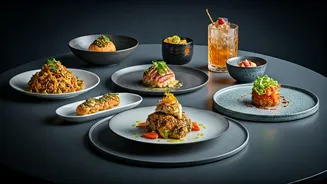
This culinary shift is driven by a new generation of chefs who see themselves as custodians of their heritage. [13, 15] They are researchers and storytellers, digging into family recipes and historical texts to revive lost dishes. [13] Crucially, they are presenting Indian food with a newfound confidence, rejecting the notion that it needs Western techniques or plating to be considered 'fine dining'. [14] The goal is no longer to fuse Indian food with global cuisines to make it palatable, but to present it on its own terms. [12, 14] As one analysis puts it, authenticity in 2026 isn't about excess, it's about accuracy. [8] This means embracing traditional cooking methods, whether it's slow-cooking or using fire-based techniques, and celebrating the inherent complexity of Indian flavours. [15]