







The Undeniable Charm of the Everyday
Shows like 'Panchayat' and 'Gullak' have become cultural touchstones, not through massive marketing budgets or star power, but through their deep-rooted relatability. These 'slice-of-life' series find drama, humour, and heart in the ordinary, reflecting
the lived realities of a vast majority of Indians. Instead of escapist fantasies, they offer stories of connection, focusing on the small wins and everyday struggles of middle-class families and small-town residents. The success of shows like 'Kota Factory' and 'Yeh Meri Family' proves that audiences are craving authenticity, finding comfort and entertainment in characters and situations that feel like their own.
Fatigue From the Formula
For years, both Bollywood and early Indian streaming content leaned heavily on formulaic plots set against a backdrop of big-city glamour. These narratives, often revolving around crime, wealth, and hyper-modern lifestyles in Mumbai or Delhi, have started to feel repetitive for many viewers. There's a growing fatigue with seeing worlds that are inaccessible and characters whose problems feel distant. This has created an opening for stories that offer a different perspective. The over-the-top drama that once defined daily soaps and even some reality TV is losing its grip as audiences become more discerning, seeking nuance over noise.
Small Towns, Big Stories
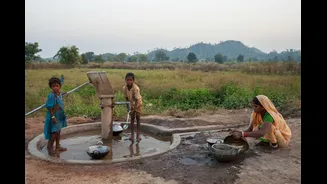
A key element of this new wave of content is the focus on India's hinterland. In shows like 'Panchayat', the village of Phulera is more than just a setting; it's a character in itself, with its own quirks, challenges, and charm. This shift acknowledges a massive, previously underserved audience in Tier 2 and Tier 3 cities who are now major consumers of OTT content, thanks to widespread internet access. These viewers are eager to see their own lives, dialects, and cultures reflected on screen, not as a caricature, but with dignity and humour. Creators are tapping into the truth that compelling drama isn't limited to urban centres.
Streaming Platforms as Democratic Enablers
The very model of streaming has enabled this creative shift. Unlike traditional cinema, which relies on a massive opening weekend, OTT platforms can nurture shows that cater to specific tastes. They provide a space for stories that might be considered too niche or lacking the commercial 'masala' for a theatrical release. This gives creators the freedom to experiment with storytelling and focus on strong narratives and character development without the pressure of casting a huge star to guarantee returns. The result is a more diverse content library where a quiet, character-driven show can build a massive, loyal following through word-of-mouth.
An Emotional Connection Trumps Spectacle
Ultimately, the preference for slice-of-life content boils down to a simple human need: connection. While a slickly produced thriller can provide a temporary adrenaline rush, the emotional residue of a show like 'Gullak' lasts much longer. These series are reminiscent of the gentle, observational filmmaking of directors like Hrishikesh Mukherjee and Basu Chatterjee, whose work focused on the nuances of human relationships. By prioritising emotional depth and authentic character arcs over high-concept plots and spectacle, these shows forge a powerful bond with the viewer. They remind us that the most profound stories are often the ones that feel the most familiar.