





The End of the Off-Season
What was once a predictable lull in the tourism calendar is now a bustling period of opportunity. Travel platforms and hotel groups are reporting a remarkable uptick in bookings for the monsoon months. According to recent data from travel platform Cleartrip,
hotel bookings have jumped by nearly 54% year-on-year, signalling a fundamental shift in travel habits. Radisson Hotel Group has noted that July bookings are pacing nearly 10% ahead of the previous year. This trend indicates that the monsoon is no longer a deterrent but a primary attraction, creating a new, vibrant shoulder season for an industry that once relied heavily on winter holidaymakers.
Where the Rains Are Calling
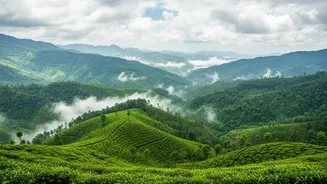
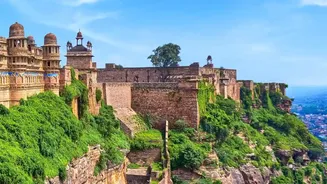
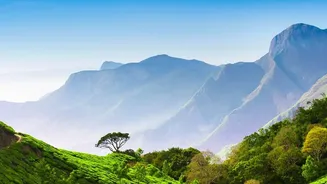
The demand isn't concentrated in one region but spread across the country. Traditional monsoon favourites like Kerala and Goa are seeing renewed interest. Goa, for instance, has recorded a 110% increase in hotel bookings as travellers discover its tranquil, green-hued charm away from the winter crowds. Hill stations are experiencing an explosive rise in popularity, with some destinations in Kerala like Munnar and Wayanad seeing triple-digit growth in hotel bookings. The Northeast has also emerged as a monsoon hotspot, with Nagaland and Arunachal Pradesh recording over 90% growth in hotel bookings as travellers seek offbeat, nature-focused holidays. Even Rajasthan's cities, like Udaipur, are drawing visitors with the unique romance of rain-washed palaces and full lakes.
The Drivers Behind the Downpour
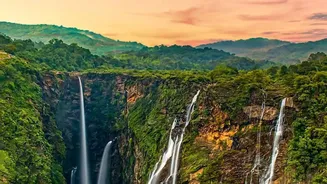
Several factors are fueling this trend. The rise of flexible and remote work arrangements allows professionals to take spontaneous 'workations'. Social media is also playing a key role, filling feeds with aspirational images of misty hills and cascading waterfalls that make a rainy getaway highly desirable. However, the most significant drivers are value and experience. Travellers are drawn by lower prices for flights and luxury accommodation, which can be 25-50% cheaper than in the peak winter season. Beyond cost savings, there's a growing desire for more authentic and less crowded travel, allowing for a more relaxed and immersive experience.
How the Hospitality Industry Is Responding
Hotels are quickly adapting to capitalize on this new demand, moving away from the old model of simply offering deep discounts. Major hotel chains and online travel agencies are now actively promoting the season with curated monsoon packages and sales. IHCL (Tata Group), which has seen a 15-17% growth in bookings in Goa, is running special food promotions. Many resorts are enhancing their offerings with indoor activities like cooking masterclasses, focusing on wellness services like Ayurveda which is considered particularly effective during the monsoon, and highlighting their spa facilities. This strategic shift proves that hoteliers now see the monsoon not as a problem to be managed with discounts, but as a distinct season with unique experiences to market.
A New Chapter for Indian Tourism
This monsoon surge is more than a fleeting trend; it represents a structural change in India's domestic tourism landscape. It benefits travellers by offering a chance to see popular destinations in a new light, with fewer crowds and better value. For the hotel industry, it provides a crucial revenue stream during a previously slow period, smoothing out the sharp seasonal peaks and troughs that have long defined their business cycle. It allows properties to maintain healthy occupancy and better revenue per available room, as noted by hotel groups like Sayaji Hotels, which forecasted an 11% increase in these metrics for the season. This shift challenges the industry to remain agile, using dynamic pricing and experience-led marketing to attract a new generation of rain-loving travellers.