




A Celestial Event: The 2026 Perseid Meteor Shower
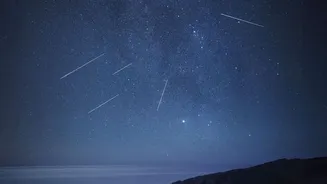
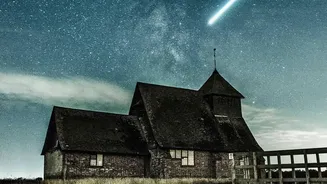
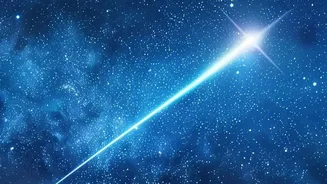
Every August, Earth passes through the trail of dust and debris left by Comet Swift-Tuttle, creating the famous Perseid meteor shower. This year is particularly special. The shower's peak, on the night of August 12-13, 2026, coincides with a new moon.
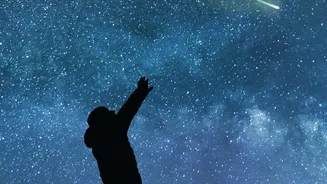
This means the sky will be exceptionally dark, making it possible to see even faint meteors. Under these ideal conditions, viewers in dark locations could spot up to 100 meteors per hour. The best viewing time is typically after midnight and before dawn, when the constellation Perseus, the shower's radiant point, is high in the sky.
Hanle, Ladakh: India's Dark Sky Sanctuary
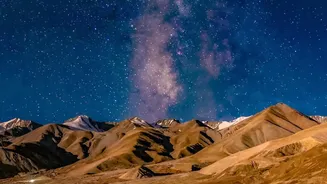
For the ultimate stargazing experience, nowhere in India beats Hanle in Ladakh. Situated at an altitude of over 4,500 metres, it is home to India's first official Dark Sky Reserve. The high altitude, clear desert air, and near-zero light pollution grant it a Bortle 1 rating—the darkest possible classification. Here, the Milky Way is so bright it can cast a faint shadow. While it's a journey to get to, Hanle offers an unparalleled view of the cosmos, making it a pilgrimage site for serious astronomers and astrophotographers. The Indian Astronomical Observatory is also located here, a testament to the sky's pristine quality.
Spiti Valley, Himachal Pradesh: A High-Altitude Desert Canvas
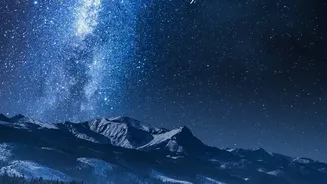
Another Himalayan jewel for stargazers is Spiti Valley. This cold desert region boasts high altitudes and a remote location, ensuring minimal light pollution and stunningly clear skies. Villages like Kaza, Langza, and Kibber are ideal bases for setting up for a night of meteor watching. The valley's stark, beautiful landscape of monasteries and mountains provides a breathtaking backdrop for the celestial show. The best time to visit for clear skies is typically between May and October, which aligns perfectly with the Perseid shower.
Rann of Kutch, Gujarat: A Surreal Salt Desert Spectacle
Imagine watching shooting stars over a vast, white salt desert. The Great Rann of Kutch offers this unique and magical experience. Far from major cities, its wide, flat horizons provide an unobstructed, panoramic view of the night sky. During moonless nights, the sky is so dark that the stars can appear to reflect off the salt flats, creating a surreal, otherworldly atmosphere. While the popular Rann Utsav takes place in winter, the clear skies are a year-round attraction. Spots like the Dhordo region or the elevated Kala Dungar (Black Hill) are prime locations for stargazing.
Coorg, Karnataka: Stargazing in the Southern Ghats
For those in South India, the misty hills of Coorg (Kodagu) offer a fantastic escape from urban light pollution. Nestled in the Western Ghats, the coffee and spice plantations provide pockets of darkness perfect for watching the night sky. Areas away from the main town of Madikeri, such as the southern valleys near the Brahmagiri foothills, boast some of the darkest skies in the region, dark enough to see the Milky Way clearly on moonless nights. Many homestays and resorts cater to this interest, with some even offering guided stargazing sessions with telescopes.
Neil Island, Andamans: A Tropical Cosmic View
The remote Andaman and Nicobar Islands offer some of the most unspoiled night skies in the country. Neil Island (Shaheed Dweep), being less commercialised than other islands, has minimal light pollution, allowing for brilliant views of the stars over the ocean. The open horizons at beaches like Laxmanpur Beach or Sitapur Beach are perfect for lying back and watching the meteors streak across the sky, with the gentle sound of waves as your soundtrack. It’s a tranquil and unforgettable way to experience a celestial event.
Tips for the Best Viewing Experience
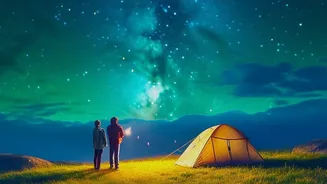
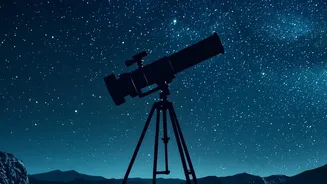
To make the most of the meteor shower, find a spot away from all light sources. Give your eyes about 20-30 minutes to fully adjust to the darkness; avoid looking at your phone screen during this time. You don’t need a telescope or binoculars, as meteors are best seen with the naked eye, allowing you to take in a wide expanse of the sky. Lie on a blanket or reclining chair to look straight up comfortably. Finally, be patient. Meteor showers happen in spurts, and the wait is always worth it.