


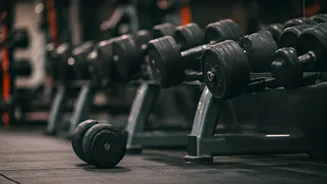




Prioritising Weight Over Form
One of the most common and dangerous mistakes is 'ego lifting'—choosing a weight that's too heavy to lift with proper technique. [8, 9] While it might feel impressive, lifting with poor form shifts the work away from the target muscles and puts immense
strain on your joints, tendons, and spine, setting you up for injury. [17, 12] A 15-second reel rarely shows the controlled, deliberate movement required for a safe and effective lift. The goal of strength training is to challenge your muscles, not just move a heavy object from A to B. If your form breaks down to complete a rep, the weight is too heavy. [11] It's far better to lift a lighter weight with excellent technique than to risk injury for the sake of ego. [17]
Skipping Warm-Ups and Cool-Downs
Many social media workouts jump straight into the main exercises, completely ignoring the two most critical phases of any session: the warm-up and the cool-down. A proper warm-up does more than just make you feel ready; it increases blood flow, delivers oxygen to your muscles, and lubricates your joints, which significantly reduces your risk of strains and tears. [3, 1] Similarly, a cool-down helps gradually lower your heart rate and can reduce post-workout soreness by flushing out metabolic waste. [7, 5] Abruptly stopping after intense exercise can cause blood to pool in your lower body, leading to dizziness. [1] These crucial steps are non-negotiable for safety and performance, even if they aren't glamorous enough for a viral video. [6]
Lacking a Structured Plan
A feed full of random workout ideas can lead to a chaotic and ineffective gym routine. While variety is good, constantly switching your exercises without a clear structure prevents your body from adapting and getting stronger—a principle known as progressive overload. [2] A well-designed beginner program focuses on foundational compound movements (like squats, deadlifts, and presses) and builds upon them consistently. [24, 16] Following a structured plan ensures you are working all major muscle groups and allows you to track your progress, which is key for staying motivated and achieving your goals. [2, 22] Without a plan, you might just wander the gym floor, wasting time and limiting your results. [8]
Ignoring How to Use Machines Properly
Fitness influencers often perform exercises on machines that are perfectly set for their bodies, but they rarely explain how to adjust them. Using a machine that isn't configured for your height and limb length can lead to poor form and potential injury. Things like seat height, backrest position, and the starting point of the lever arm are all crucial for targeting the right muscles and moving safely. For example, an improperly adjusted leg press machine can put undue stress on your knees or lower back. Before using any machine for the first time, take a moment to read the instructional placard or, even better, ask a qualified trainer to show you how to set it up for your body. It's a fundamental step that a quick video will almost always overlook.
Comparing Your Journey to Others
Social media creates an environment of constant comparison, which can be incredibly demotivating for a beginner. [19] Many fitness reels showcase flawless physiques and seemingly effortless feats of strength, but this is often an illusion created by good lighting, specific angles, and years of dedicated training. [20] Studies have shown that the more people see exercise-related posts, the more they may feel concerned about their own weight and body image. [25] Remember that everyone's fitness journey is unique. Your starting point, genetics, and lifestyle are different from the influencer on your screen. [20] Focus on your own progress, celebrate your personal wins, and don't let a curated social media feed derail your motivation or mental health. [4, 19]