



Looking for a breakfast that is both filling and nutritious? Enter adai, a savoury South Indian pancake made from lentils and rice. Adding oats gives this classic a modern, fibre-rich twist, creating a perfect start to any day.
What Exactly Is Adai?
Adai is a traditional South
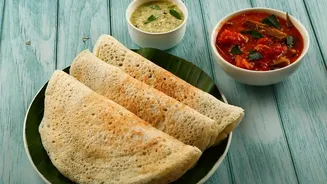
Indian staple, particularly popular in Tamil Nadu. Visually, it resembles its more famous cousin, the dosa, but it stands in a category of its own. Unlike dosa batter, which requires a long fermentation period, adai batter can be made and used within a few hours. It’s a savoury, thick pancake made from a blend of rice and various lentils (dals), such as toor dal, chana dal, and urad dal. This combination of cereal and pulses makes adai a complete protein source. The batter is ground to a coarser texture than dosa batter, giving the final dish a hearty, slightly crisp, yet soft finish. It's traditionally spiced with red chillies, asafoetida, and sometimes ginger and curry leaves, resulting in an earthy and mildly spicy flavour.
The Power of Pulses and Oats
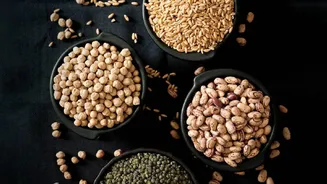
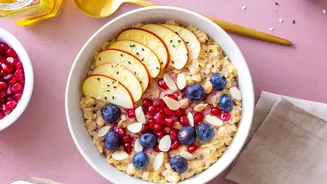
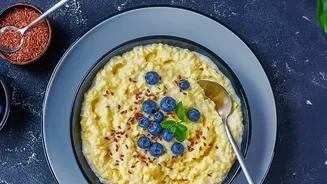
Starting your day with pulses—the edible seeds of legumes like lentils, beans, and chickpeas—is a fantastic way to fuel your body. Pulses are nutritional powerhouses, rich in plant-based protein, fibre, and essential nutrients like iron and folate. The high fibre content keeps you feeling full for longer, helping to manage weight and prevent mid-morning snacking. This fibre also aids digestion and promotes good gut health. Additionally, pulses have a low glycemic index, which helps in regulating blood sugar levels by providing a slow, sustained release of energy. Adding oats to the mix further enhances these benefits. Oats are celebrated for their high content of beta-glucan, a type of soluble fibre known to help lower 'bad' LDL cholesterol and support heart health. They also help in blood sugar control, reduce inflammation, and are packed with vitamins and minerals. Combining oats with a traditional adai batter makes the pancake lighter while boosting its fibre content, creating a truly supercharged breakfast.
Recipe: Hearty Oats Adai
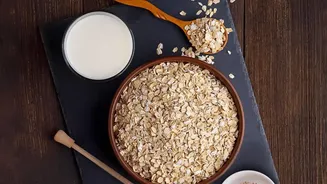
This recipe brings together the goodness of traditional adai with the added benefits of oats. It requires a few hours of soaking but comes together quickly after that. Ingredients: - ½ cup rice (parboiled or idli rice works best) - ¼ cup toor dal (split pigeon peas) - ¼ cup chana dal (split Bengal gram) - 2 tablespoons urad dal (split black gram) - 2 tablespoons moong dal (split green gram) - 1 cup quick-cooking oats - 3-4 dried red chillies (adjust to your spice preference) - 1-inch piece of ginger - A generous pinch of asafoetida (hing) - Salt to taste - 1 small onion, finely chopped (optional) - A few curry leaves, chopped - Oil or ghee for cooking Instructions: 1. Wash the rice and all four dals together thoroughly. Soak them in plenty of water along with the dried red chillies for at least 3 to 4 hours. 2. Drain the water from the soaked mixture. In a blender, combine the rice, dals, red chillies, ginger, and asafoetida. Grind to a thick, slightly coarse batter, adding a little water as needed. The consistency should be pourable but not runny. 3. Transfer the batter to a bowl. Stir in the quick-cooking oats, salt, chopped onion (if using), and curry leaves. Mix well and let the batter rest for about 10-15 minutes. No fermentation is required. 4. Heat a tawa or nonstick pan over medium heat. Lightly grease it with oil or ghee. Pour a ladleful of the batter onto the tawa and spread it into a thick circle, about 4-5 inches in diameter. 5. Drizzle a little oil or ghee around the edges and in the centre. Cook on medium-low heat for 2-3 minutes, until the underside is golden brown and crisp. 6. Flip the adai and cook the other side for another minute or two. 7. Serve hot.
Mastering the Perfect Batter
The secret to a great adai, or any pulse-based pancake, lies in the batter. The texture is key: aim for a coarse grind, not perfectly smooth. This gives the adai its characteristic slightly nubby texture and helps it become crisp. If the batter is ground too fine, the adai might turn out soft. Soaking is another crucial step. While some recipes suggest soaking for just an hour, a longer soak of 3–4 hours ensures the lentils and rice soften properly for grinding. However, avoid soaking for too long, as it can result in a softer adai. Don’t be afraid to experiment with your choice of pulses. While the classic combination is toor and chana dal, you can add moong dal for softness or even use other lentils you have on hand. Finally, while adai batter doesn’t need to ferment overnight, letting it rest for an hour or two after grinding can enhance its flavour.
Serving and Variations
Oats adai is incredibly versatile. Traditionally, adai is served with 'avial' (a mixed vegetable stew), but it pairs wonderfully with a variety of accompaniments. For a simple and classic combination, serve it with a dollop of white butter and some jaggery or honey. Coconut chutney, tomato chutney, or even a simple side of plain curd also make excellent partners. Feel free to customize the batter itself. For extra nutrition and texture, add finely chopped vegetables like carrots, cabbage, or drumstick leaves (murungai keerai) directly into the batter. Adding spices like cumin seeds or fennel seeds can introduce another layer of flavour. For those who like it spicier than usual,
finely chopped green chillies can be added along with the onions.