
1. Go for a Hard-Shell Suitcase
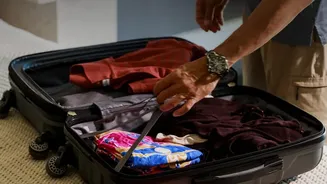
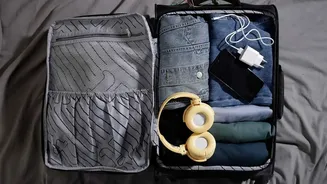
While fabric bags are popular, frequent flyers often switch to hard-shell polycarbonate luggage during the monsoon. The reason is simple: water rolls right off the non-porous surface, unlike fabric bags which can absorb moisture and become damp. This
provides a much stronger first line of defence against rain on airport tarmacs or while loading luggage into a taxi.
2. Embrace Dry Bags and Ziplocs
Experienced travellers swear by compartmentalising. Don't just throw things in your bag; create waterproof layers within. Use small dry bags or even humble Ziploc bags for everything critical. Group items together: one for your passport and documents, another for chargers and cables, and separate ones for medication. This ensures that even if your main bag gets damp, your most important items remain perfectly dry.
3. Pack Quick-Drying Synthetic Fabrics
Cotton is a traveller's enemy in the monsoon. It absorbs moisture from the air and rain, taking days to dry in high humidity and often developing a musty smell. Instead, pack clothes made from synthetic fabrics like polyester, nylon, or rayon. These materials dry in a fraction of the time, are often wrinkle-resistant, and can be easily washed in a hotel sink and ready to wear the next morning.
4. Use Silica Gel Packets Liberally
Those tiny packets you find in new shoe boxes are your secret weapon against ambient humidity. Don't throw them away; save them for your travels. Scatter a few silica gel packets throughout your luggage, inside your shoe bag, and with your electronics. They absorb excess moisture, helping to prevent that dreaded damp feeling and musty odour from developing inside your suitcase.
5. Choose the Right Rainwear Duo
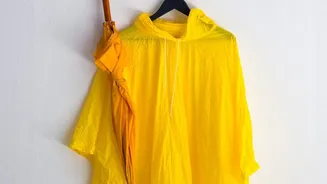
An umbrella alone won't cut it in a windy Indian monsoon. Experts recommend a duo: a lightweight, packable rain jacket and a small, sturdy umbrella. The jacket is crucial for heavy downpours or when you need your hands free, while the umbrella is perfect for quick dashes in lighter showers. A poncho is another great alternative as it can cover you and your backpack.
6. Rethink Your Footwear Strategy
Wet feet are a recipe for discomfort. Travellers advise packing two pairs of shoes. First, a pair of waterproof sandals or floaters with good grip for walking on slippery, waterlogged streets. Avoid flip-flops that offer poor grip. Your second pair should be lightweight, quick-drying sneakers or trail shoes for days when you need more coverage. Never pack just closed shoes that take forever to dry.
7. Bring a Quick-Dry Microfibre Towel
Hotel towels can be thin, and you can never have too many dry things in the monsoon. A compact microfibre towel is a non-negotiable for seasoned travellers. It's super absorbent, dries incredibly fast, and packs down to almost nothing. Use it to wipe down a damp bag, dry off after an unexpected shower, or even as a backup bath towel.
8. Pack a Portable Hairdryer
A small, portable hairdryer isn't just for your hair. It's a multipurpose drying tool. Use it on a low heat setting to help dry the damp collars of a shirt, the inside of wet shoes, or any small clothing item that stubbornly refuses to dry overnight. This little gadget can be a lifesaver when you need a specific item of clothing ready in a hurry.
9. Rely on a Waterproof Backpack Cover
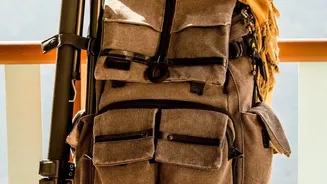
If you're carrying a daypack for sightseeing, a waterproof rain cover is essential. A sudden cloudburst can soak a backpack in minutes, putting your camera, phone, and wallet at risk. These covers are lightweight, inexpensive, and fold into a tiny pouch. Keep it in an outer pocket of your bag for quick access the moment it starts to drizzle.
10. Stick to Dark and Patterned Clothes
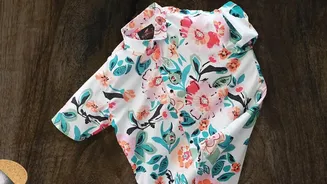
Even with the best precautions, splashes from muddy puddles are inevitable. Frequent travellers opt for dark-coloured or patterned clothing during the monsoon. These colours are much more forgiving when it comes to hiding mud splatters and water marks, keeping you looking presentable even when the weather is not cooperating.