






How to Increase Humidity at Home
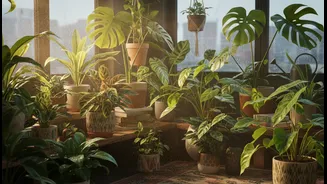
Before we meet the plants, let's cover how to give them the humid conditions they crave. The easiest method is to place them in naturally humid rooms like your bathroom or kitchen. You can also group several plants together; as they release moisture through
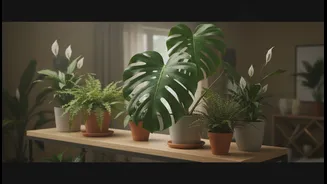
their leaves, they create a humid microclimate. Another popular technique is the pebble tray: simply place your plant pot on a tray filled with pebbles and water, ensuring the pot sits on the stones and not in the water. The evaporating water will boost ambient moisture. For a more significant and controlled boost, especially in dry homes, a room humidifier is the most effective option. Regular misting can also provide a temporary lift.
Boston Fern (Nephrolepis exaltata)
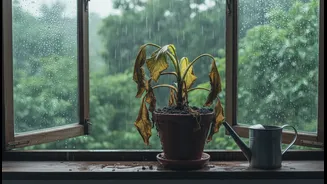
With its lush, feathery fronds, the Boston Fern is a classic beauty that’s synonymous with high humidity. These plants are native to tropical forests and swamps, so they flourish in moisture-rich air, preferring levels between 50% and 80%. If the air is too dry, you'll quickly notice the tips of their delicate fronds turning brown and crispy. To keep them happy, place them in a spot with bright, indirect light and keep their soil consistently moist but not waterlogged. A bathroom with a window is an ideal location for a Boston Fern, where it can soak up the steam from your daily showers.
Calathea (Prayer Plant)
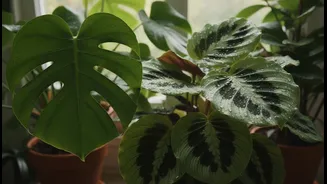
Calatheas, often called Prayer Plants, are famous for their stunningly patterned leaves that fold up at night. Hailing from the floor of tropical jungles, they are accustomed to dappled light and very high humidity—ideally above 60%. Dry air is a common reason for their leaf edges to curl or turn brown. These plants appreciate consistently moist soil, but dislike sitting in water, which can lead to root rot. It's also best to use filtered or rainwater, as they can be sensitive to chemicals in tap water. Their dramatic foliage makes them a rewarding, if slightly demanding, addition to your collection.
Orchids (Orchidaceae)
Many of the orchids sold as houseplants are tropical epiphytes, meaning in their natural habitat they grow on trees rather than in soil. Their exposed roots are specially adapted to absorb moisture directly from the air, making humidity crucial for their survival. While needs vary by species, most common indoor orchids thrive in humidity levels between 40% and 70%. A bright bathroom is a perfect spot for an orchid, providing the ambient moisture it loves. They also need bright, indirect sunlight to flourish. While their care can seem intimidating, getting the humidity right is a major step toward enjoying their beautiful, long-lasting blooms.
Peace Lily (Spathiphyllum)
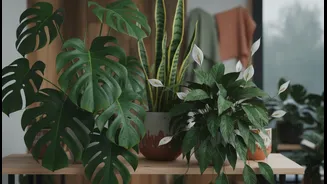
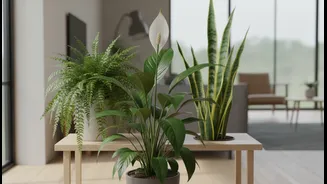
The Peace Lily is an elegant and popular houseplant known for its glossy dark leaves and striking white spathes, which look like flowers. These plants are native to the tropical rainforests of the Americas and thrive in warm, humid conditions. They are also excellent at communicating their needs; they will visibly droop when thirsty, perking up quickly after a good watering. This makes them a great choice for beginner plant owners. While they can tolerate lower light levels, they prefer bright, indirect light to produce their signature blooms. Their ability to thrive in humidity makes them a perfect fit for kitchens and bathrooms.
Monstera (Monstera deliciosa)
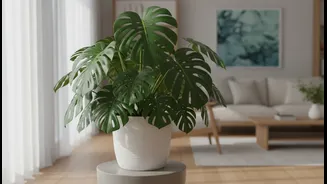
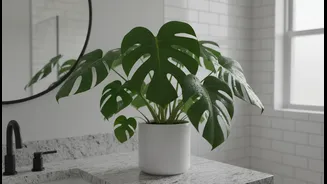
Famous for its large, fenestrated leaves that earn it the nickname "Swiss Cheese Plant," the Monstera brings a bold, tropical feel to any room. Native to Central American rainforests, it loves a warm and humid environment, with ideal humidity levels around 60% to 80%. Providing adequate moisture in the air helps its large leaves unfurl properly and prevents them from tearing. Monsteras prefer bright, indirect light and well-draining soil. These plants also have aerial roots that absorb moisture from the air, further highlighting their need for a humid home.