


The Mountain Makes Its Own Weather
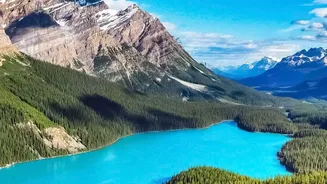
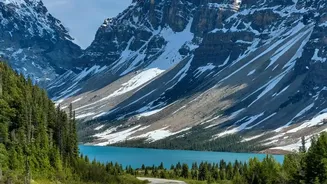
On an alpine trail in the Canadian Rockies, you are not just subject to the regional forecast; you are in a microclimate factory. The primary driver of this volatility is a phenomenon called orographic lift. As moist air from the Pacific is pushed eastward,
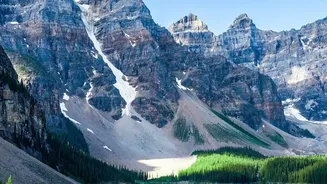
it hits the massive wall of the Rockies and is forced to rise. As it gains altitude, the air cools and condenses, forming clouds and releasing precipitation. This means one side of a mountain can be lush and rainy, while the other side, the leeward side, is dry, creating a 'rain shadow'. This process alone can cause clouds to form out of a seemingly clear blue sky, bringing sudden rain, hail, or even snow.
Elevation: A Game of Averages and Extremes
One of the simplest yet most dramatic factors is altitude. As a general rule, the temperature decreases by about 6.5 degrees Celsius for every 1,000 metres you ascend. This is known as the lapse rate. So, if it’s a pleasant 20°C in a valley town like Banff, a peak 1,500 metres higher could be a chilly 10°C, and that's before factoring in wind chill. Thinner air at higher altitudes is less able to absorb and retain heat, leading to significant temperature swings from day to night. This effect also means there is less atmosphere to filter harmful UV rays, making intense sun exposure a risk even on cold days.
Summer Snow is Not a Myth
The idea of a snowstorm in July or August might seem far-fetched, but it is a genuine possibility in the Rockies. Snow can fall at any time of year at higher elevations. All it takes is a strong, cold air mass moving in, combined with the moisture and cooling effects of altitude, to turn a summer shower into a blizzard. In June 2023, a surprise summer snowstorm in Jasper National Park stranded dozens of visitors and blanketed the area in up to 55 cm of snow. These events underscore the reality that in the mountains, you must always be prepared for winter conditions, regardless of the season.
Wind: An Invisible Force
Wind in the mountains is not just a nuisance; it's a significant hazard. On exposed ridges and passes, gusts can be strong enough to knock a hiker off balance. The mountains also create their own wind patterns. Katabatic winds, for example, occur when cold, dense air from high-altitude snowfields and glaciers flows downhill into the valleys, often creating surprisingly strong and chilly breezes, especially in the late afternoon and evening. This wind drastically accelerates heat loss from the body, increasing the risk of hypothermia even in above-freezing temperatures.
How to Prepare for the Unpredictable
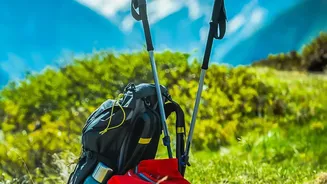
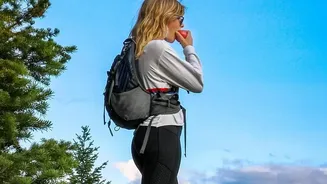
Respect for the mountains begins with preparation. The single biggest mistake hikers make is not doing their homework. Before you go, check multiple, reliable weather sources, including forecasts specific to mountain elevations.Your pack should always contain the 'ten essentials', including navigation tools, a headlamp, and a first-aid kit, but for the Rockies, some items are non-negotiable. Dress in layers, avoiding cotton which loses its insulating properties when wet. A moisture-wicking base layer, a warm fleece or down mid-layer, and a waterproof, windproof outer shell are crucial. Always pack a warm hat and gloves, even on a sunny day. Finally, tell someone your plan, including your route and expected return time. Be prepared to turn back if conditions deteriorate. The summit will still be there another day.