
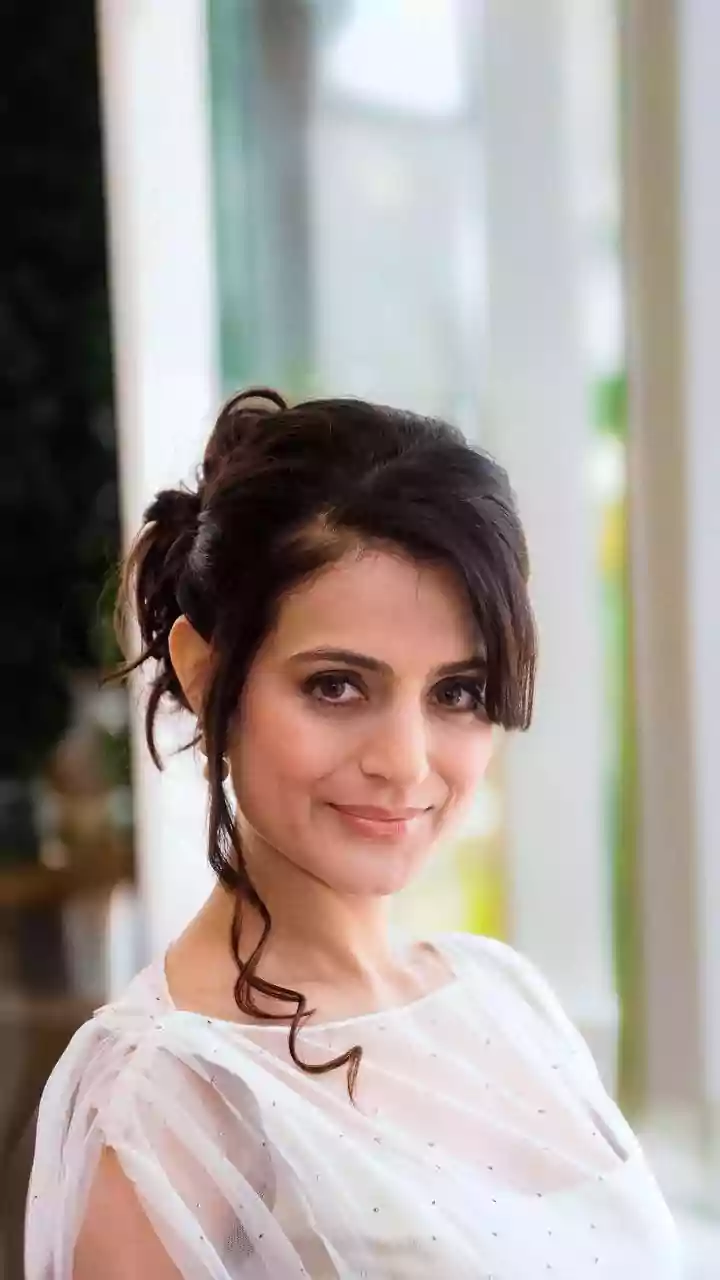






What Exactly Is a Short Wispy Fringe?
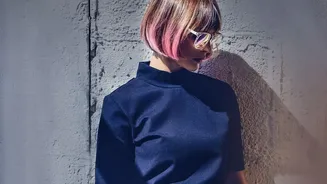
Unlike a thick, solid fringe that sits heavily across the brow, a wispy fringe is light, airy, and textured. It's defined by fine, feathery strands that are delicately cut, allowing glimpses of your forehead to show through. The 'short' variation typically
sits at or just above the eyebrows, offering a playful yet sophisticated look. The key is in the cutting technique; stylists use point cutting or thinning shears to create a soft, uneven edge that moves naturally rather than forming a hard line. This makes it the polar opposite of a blunt-cut fringe, feeling more effortless and integrated into your overall hairstyle.
Why Is This Style So Flattering?
The appeal of the short wispy fringe lies in its incredible versatility and softness. It's the hair equivalent of a 'no-makeup makeup' look—intentional but never overdone. This style adds dimension and frames the face beautifully, drawing attention to your eyes and cheekbones without overwhelming your features. Because it’s so light, it works well with various hair textures, from straight and wavy to even curly hair. It’s particularly great for those with fine hair, as it doesn't require a lot of density to look good, unlike heavier bangs that can make the rest of your hair look sparse.
Will It Suit Your Face Shape?
One of the biggest advantages of a wispy fringe is its adaptability. It's considered flattering for almost every face shape because it can be tailored to your features. For heart-shaped faces, a wispy fringe helps balance a wider forehead. On square faces, the soft, textured ends help to soften a stronger jawline. For those with round faces, a slightly longer wispy fringe can create the illusion of length, especially when it has longer sides that blend into face-framing layers. Oval faces are the most versatile and can pull off nearly any variation of the wispy fringe.
How to Ask for It at the Salon
Clear communication with your stylist is key to getting the perfect cut. Instead of just saying 'wispy bangs', bring inspiration photos to show the exact texture and length you want. Ask for a 'light, feathered fringe' that is point-cut to create soft, separated ends. Emphasise that you want to avoid a blunt or heavy line. A good stylist will likely section off a small triangle of hair from your parting to create the fringe, ensuring it's not too wide for your face. They will also know how to blend it seamlessly with the rest of your hair for a graceful, grown-in look.
Simple Styling for an Effortless Look
The beauty of a wispy fringe is that it’s relatively low-maintenance. For daily styling, often all you need is a quick blow-dry. Use a small round brush, directing the nozzle downwards as you sweep the fringe from side to side. This creates natural movement. If your hair is flat, a bit of volumizing mousse or a texturizing spray can add lift and prevent the strands from clumping together. Since the fringe rests on your forehead, it can get oily faster than the rest of your hair. A spritz of dry shampoo at the roots is the perfect way to keep it looking fresh and clean between washes.
Maintaining Your Fresh Fringe
While easier to manage than blunt bangs, a short wispy fringe still requires some upkeep to maintain its shape. You'll likely need a trim every three to four weeks to keep it at the ideal length and prevent it from poking into your eyes. The good news is that because the ends are soft and layered, it grows out much more gracefully than a heavy fringe. As it gets longer, you can easily sweep it to the side or part it down the middle, transforming it into wispy curtain bangs as it blends into your longer layers.