






The Science of Softness
The itchiness some people associate with wool is a real physical sensation, not just an opinion. It all comes down to the diameter of the wool fibres, which is measured in microns. Coarser, thicker fibres—typically those over 25-30 microns—are too stiff
to bend when they press against your skin. Instead, they poke at your nerve endings, which your brain registers as a prickly or itchy feeling. Finer fibres, on the other hand, are more flexible and bend easily on contact, feeling soft and smooth. So, when a label just says '100% Wool', it doesn't tell you the whole story about its comfort.
A Guide to the Softest Wools
When shopping for comfort, look for garments made from specific types of fine-fibre wool. Merino wool is a popular choice, known for its exceptionally fine fibres (often 17-24 microns) that make it soft, breathable, and suitable for next-to-skin wear. Cashmere, sourced from the undercoat of Cashmere goats, is even finer (around 14-19 microns) and is prized for its luxurious, lightweight softness. Alpaca fibre is another excellent option; it's naturally hypoallergenic because it contains no lanolin, and its silky, hollow fibres provide impressive warmth without weight. Lambswool, from the first shearing of a young sheep, is also much softer and smoother than wool from older animals.
Shopping for Softer Woollens
The best way to judge a wool garment is to trust your sense of touch. Gently rub the fabric against a sensitive area of your skin, like your neck or the inside of your forearm. If you feel any prickling, it's likely to feel itchy when you wear it for a longer period. Check the care label not just for washing instructions but also for the material composition. Blends with other soft fibres like silk or cotton can also enhance comfort. While not all brands list it, some high-quality manufacturers will specify the micron count of their wool, with anything under 24 generally being comfortable against the skin.
Washing Wool to Keep It Soft
First, wool's natural odour- and bacteria-resistance means it needs far less washing than other fabrics. Often, simply airing a garment out is enough to refresh it. When a wash is necessary, always check the care label. For best results, hand wash in cool or lukewarm water (max 30°C) using a mild, wool-specific detergent. Avoid regular detergents, which can be too harsh, and never use fabric softener. Gently squeeze the suds through the garment without twisting or rubbing it. If the label permits machine washing, use the wool or delicate cycle with a low spin speed and turn the garment inside out first.
Drying and Storing Your Garments
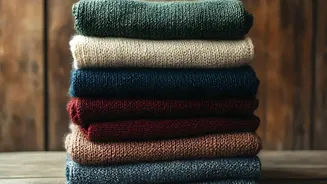
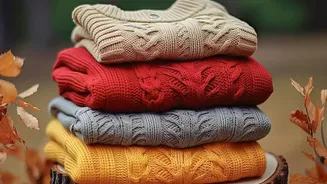
Never hang a wet wool sweater, as the weight of the water will stretch the fibres and ruin its shape. Instead, gently squeeze out excess water, then lay the garment flat on a clean, dry towel. Roll the towel and sweater together and press gently to absorb more moisture. Finally, unroll it and lay it flat on a drying rack or another dry towel, away from direct sunlight or heat. For storage, always fold your wool knits rather than hanging them to prevent stretching. Before putting them away for the season, ensure they are completely clean and dry to deter moths. Using breathable cotton storage bags with natural repellents like cedar or lavender can also help protect your investment.
Dealing With Pills
Pilling—those tiny bobbles of fibre that appear on the surface—is a natural result of friction and doesn't necessarily mean the wool is poor quality. It happens most in high-friction areas like under the arms or where a bag strap rubs. To remove them, lay the garment flat and use a fabric shaver or a special wool comb, gliding it gently over the surface. Pulling pills off with your fingers can damage the fibres, so a dedicated tool is a better choice. Regularly removing pills will keep your woollens looking new for longer.