



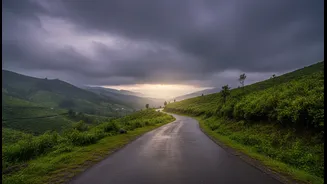


The Current Weather Situation
The India Meteorological Department (IMD) has issued red and orange alerts for several parts of the country, signaling the potential for heavy to extremely heavy rainfall. As of early July 2026, states including Maharashtra, Goa, Kerala, Karnataka, Uttarakhand,
and even parts of Delhi-NCR and Rajasthan are experiencing intense monsoon activity. This has led to waterlogging in cities, landslides in hilly regions, and disruptions to transport. For travellers, this means a higher risk of cancelled flights, blocked roads, and suspended train services. Keeping a close watch on daily IMD updates is no longer optional; it's a critical part of your travel plan.
The Golden Rule: Book Refundable Stays
In such an unpredictable climate, booking a non-refundable hotel or flight is a significant gamble. A sudden downpour can wash away your itinerary, and without flexible bookings, your money too. Most travel booking websites allow you to filter for properties with 'free cancellation' or 'fully refundable' policies. Read the terms carefully — some have a 24-hour notice period, while others are more lenient. When booking directly with hotels, confirm their monsoon cancellation policy. This simple step provides a crucial safety net, allowing you to change your plans without a financial penalty if a destination becomes unsafe or inaccessible.
Mastering the Art of the Backup Route
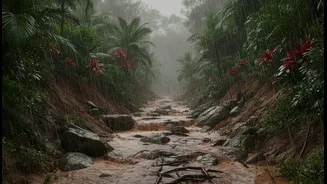
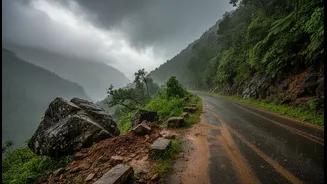
If you're planning a road trip, a single route is not enough. Hilly areas in the Himalayas and the Western Ghats are particularly prone to landslides during heavy rain, which can block roads for hours or even days. Before you start, map out at least one or two alternative routes. Use a combination of digital maps and local advice. Talk to your hotel staff or local contacts each morning about road conditions before setting off. Avoid driving at night, when visibility is poor and it's harder to spot hazards like potholes or waterlogged sections. Always prioritise safety over speed; sometimes the wisest move is to wait out a storm.
Your Monsoon Travel Safety Kit
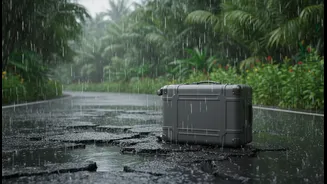
Smart packing is essential for a safe monsoon journey. Your bag should include more than just clothes. Pack a reliable raincoat and an umbrella. Footwear with a good grip is non-negotiable to prevent slipping on wet surfaces. Keep all important documents, cash, and electronics in waterproof bags. A basic first-aid kit, mosquito repellent, and any personal medications are vital. It's also wise to carry a fully charged power bank, as power cuts can be common. Finally, pack light snacks and a bottle of filtered water, which can be invaluable during unexpected delays.
Travel Insurance: A Financial Lifesaver
While you can't prevent bad weather, you can protect yourself from the financial fallout. A comprehensive travel insurance policy is your best defence against unforeseen expenses. When purchasing a policy, check specifically for coverage related to trip cancellations or interruptions due to inclement weather. Many plans will reimburse you for non-refundable bookings like flights and hotels if your trip is disrupted for a covered reason. Some policies also cover costs incurred due to significant travel delays. Given the high probability of weather-related issues during monsoon, the small investment in insurance offers immense peace of mind.