

The Rise and Fall of the 'Shelfie'
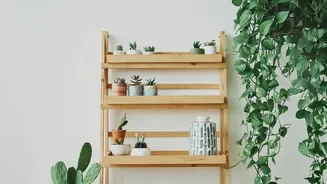
Not long ago, the ultimate sign of a well-designed home was the over-styled shelf. It was a miniature stage for curated objects: colour-coordinated books turned spine-in, a forest of tiny succulents, quirky ceramics, and brass trinkets, all layered with
artistic precision. This was the era of the 'shelfie', a trend born from the visual worlds of Instagram and Pinterest, where every surface became a content opportunity. This maximalist approach, sometimes called 'cluttercore', celebrated abundance and personality. The goal was to create a display that looked collected over time, telling a story of a life well-lived. But as with any trend that requires immense effort to maintain, the pendulum has begun to swing back. Designers note that over-styled shelves filled with 'filler' decor are starting to feel contrived and outdated.
The Practical Problem: So Much Dust
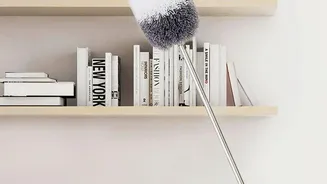
The most immediate reason for the reversal is brutally practical: maintenance. An over-styled shelf is a magnet for dust. Cleaning doesn't just involve a quick wipe; it requires carefully removing dozens of tiny, often fragile, items, dusting each one, cleaning the surface, and then attempting to recreate the perfectly imperfect arrangement. For many, the novelty wore off, replaced by the tedious reality of weekly upkeep. A clutter-free home is simply easier to clean and organize. This exhaustion with high-maintenance decor is part of a broader shift away from spaces that feel performative and toward homes that are functional and genuinely easy to live in. The desire for a tidy, organized space isn't just about aesthetics; it's about reducing the time spent on chores and increasing time spent enjoying the home.
Beyond Tidiness: The Psychology of 'Less'
The move away from cluttered shelves isn't just about avoiding dust bunnies. It reflects a deeper cultural shift towards mindfulness and well-being at home. Cluttered environments, no matter how stylishly arranged, can contribute to stress and anxiety by creating constant visual noise. In contrast, minimalist design, which champions clean lines and decluttered surfaces, is known to promote a sense of calm and mental clarity. After years of living and working from home, people are craving sanctuaries that feel restful, not stimulating. The focus is now on intentionality—keeping only what serves a purpose or brings genuine value. This 'less is more' philosophy encourages us to curate our homes with a few meaningful items rather than an abundance of trendy accessories.
The New Look: Breathing Room and Personal Meaning
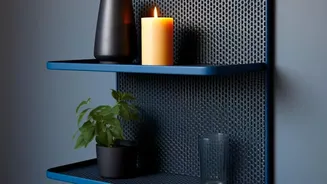
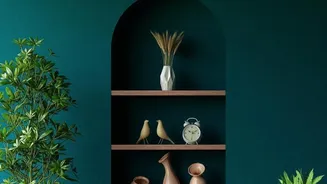
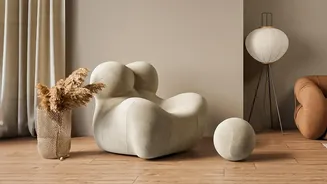
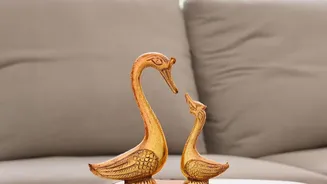
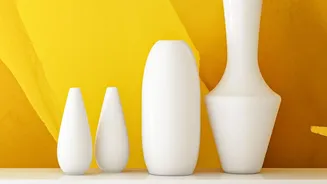
So, what is replacing the jam-packed shelf? The new approach is all about breathing room, or 'negative space'. Instead of filling every inch, the 2026 trend is to select a few key items and let them stand on their own. This might include a single sculptural vase, a stack of treasured books (that you actually read), and a piece of art that leans casually against the wall. The focus is on quality over quantity. This style allows individual objects to be appreciated and gives the eye a place to rest. The result is a look that feels more personal and less like a retail display. Rather than a performance for social media, shelves are once again becoming quiet reflections of the people who live there, showcasing items with personal stories instead of generic decor. Designers say the most compelling interiors feel layered and personal rather than overly styled.
How to Edit Your Own Shelves
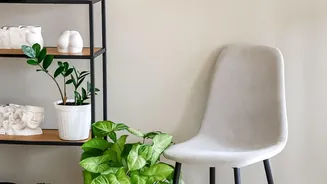
Embracing this new wave of simplicity doesn't mean your shelves must be barren. It's about editing with intention. Start by clearing everything off. Then, 'shop' from your own collection, choosing only the items you truly love. Follow the designer rule of mixing textures and heights: a smooth ceramic next to a rough-edged book, a tall lamp near a low bowl. Vary the arrangement by stacking some books horizontally to create a pedestal for a smaller object. Most importantly, leave empty space. This negative space is what makes the composition feel balanced and calm. Don't be afraid to store or donate the rest. The goal is to create a display that supports your life by being beautiful, personal, and, best of all, incredibly easy to clean.