

Why a Simple Note is the Bow on Top
A beautifully wrapped food gift is a delight, but the most important element might just be the information that comes with it. A small tag or note isn't just a charming accessory; it's a vital tool for food safety. Without it, your recipient is left guessing.
Should these cookies be refrigerated? How long is this chutney good for? Leaving out these details can, at best, lead to a spoiled treat and, at worst, cause foodborne illness. By clearly communicating how to store and enjoy your gift, you ensure your hard work is appreciated as intended—deliciously and safely. It also shows an extra layer of care, transforming a simple present into a truly thoughtful gesture.
The Essential Information to Include
Your food gift label should be clear and concise. Think of it as a mini-manual for enjoyment. First, list the name of the item. Next, and perhaps most importantly, include the date it was made. Provide clear storage instructions, such as “Keep Refrigerated” or “Store in an airtight container at room temperature.”. A “best by” date is also incredibly helpful, as most home-canned goods are best within a year, while baked goods have a much shorter window. Finally, it's a good practice to list the main ingredients. This is critical for anyone with food allergies or dietary restrictions and prevents any unfortunate reactions. You can write this on a decorative tag, a sticker, or a small card tucked into the gift basket.
Handling Different Types of Treats
Not all food gifts are created equal when it comes to storage and transport. Baked goods like dense cookies, brownies, and fruitcakes travel well, but should be packed in airtight containers to maintain freshness and prevent them from drying out. It's best to separate crisp and soft cookies to prevent moisture transfer. Perishable items are a different story. Anything with cream, custard, or meat fillings requires constant refrigeration. These gifts should be delivered in person in an insulated bag with a cold pack and handed over with a clear instruction to refrigerate immediately. For canned goods like jams or pickles, ensure you've used a tested recipe. While generally shelf-stable before opening, they need to be kept in a cool, dark place and refrigerated once the seal is broken.
Mastering Temperature Control During Transport
The time a food gift spends in transit is critical. The temperature “danger zone,” where bacteria can multiply rapidly, is between 4°C and 60°C. Perishable foods should never be left in this zone for more than two hours. If you are delivering a cold item, your goal is to keep it at or below 4°C. Use an insulated cooler or bag with frozen gel packs. For mailed gifts, this becomes even more crucial. Perishable items must be sent via overnight delivery, preferably at the beginning of the week to avoid weekend delays in a warehouse. The package should be clearly marked as “Perishable—Keep Refrigerated” to alert handlers. Always notify the recipient to expect a delivery so the food can be refrigerated promptly upon arrival.
Smart Packaging for Safe Arrivals
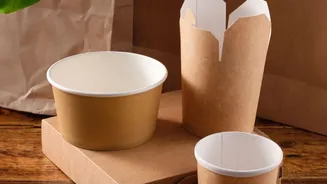
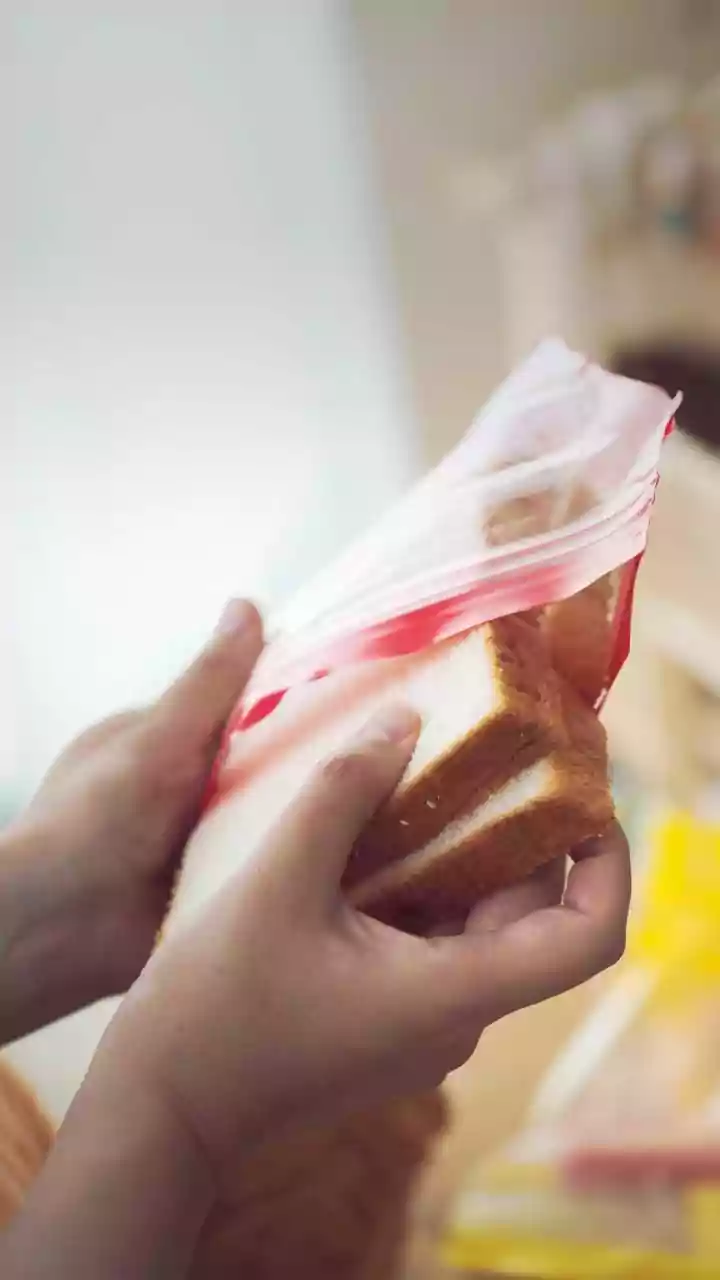
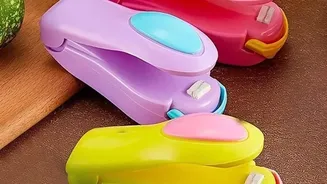
Proper packaging does more than just look good; it protects the food inside. Always use food-safe materials. Line containers with parchment or wax paper to prevent sticking and absorb any grease. For fragile items like cookies, use a sturdy, rigid tin or box and pack them snugly, using crumpled parchment paper to fill any gaps and prevent movement. Don't overfill the container, as this can lead to crushing. When packing different types of treats, use separate containers or sectional boxes to prevent flavors from mingling. If you're shipping liquids or items in glass jars, wrap them securely in bubble wrap and place them upright in a sturdy cardboard box with plenty of cushioning on all sides.