






Meet the Fungus Gnat: Monsoon’s Tiny Menace
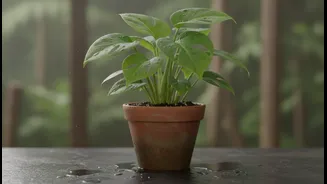
Those small, mosquito-like insects hovering around your plants and windows are likely fungus gnats. While adults are primarily a nuisance and don't bite, their larvae can cause problems. These gnats are not strong fliers, so they tend to stay close to their breeding
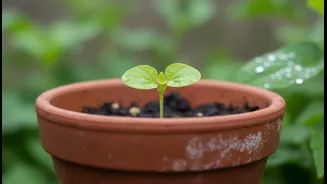
ground. During the monsoon, their populations can explode. The reason is simple: they thrive in consistently moist environments, and the rainy season provides the perfect conditions for them to multiply. A single female can lay up to 200 eggs in her short, week-long lifespan, and the entire cycle from egg to adult can take as little as 17 days in warm weather. The larvae live in the top layer of damp soil, feeding on fungi and decaying organic matter.
The Balcony-to-Gnat Connection Explained
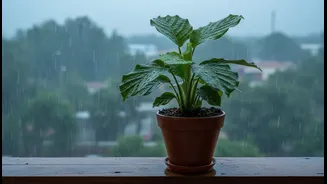
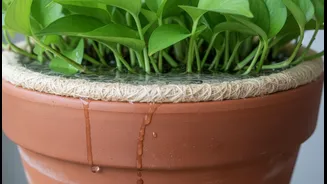
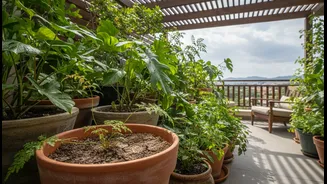
The problem begins when your balcony doesn't drain properly. During heavy monsoon rains, water that should flow away can pool on the surface or collect in the saucers of your potted plants. This standing water, combined with perpetually damp soil in your pots, creates an ideal five-star resort for fungus gnats. When soil stays waterlogged, it encourages the growth of fungi and root decay—the primary food source for fungus gnat larvae. Poor drainage on the balcony itself means that even if you're careful not to overwater, the ambient moisture and pooling rainwater keep the soil in your pots saturated. Debris like fallen leaves and twigs can clog drainage outlets, making the situation worse by trapping moisture and creating more organic material for the gnats to feed on.
How to Diagnose and Fix Poor Balcony Drainage
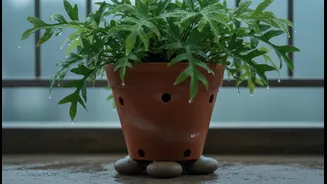
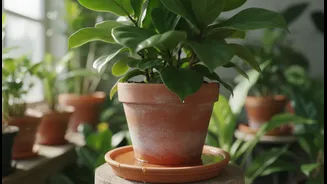
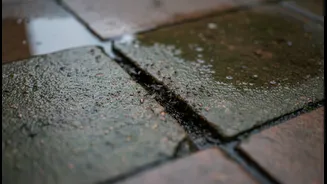
Before the next downpour, take a moment to inspect your balcony. Look for signs of trouble like water sitting on the floor long after it has rained, thin cracks along tile grout, a musty smell, or peeling paint on walls near the floor. The first step is to ensure your drainage outlets are completely clear of leaves, dirt, and other debris. Check the slope of your balcony floor; ideally, it should gently guide water towards the drain. If water still pools, you may need to address the slope or consider professional waterproofing solutions. For your plant pots, ensure they have adequate drainage holes and are not sitting in saucers full of water. Elevating pots on small stands can also improve airflow and help the base dry out.
Getting Rid of an Existing Gnat Infestation
If the gnats have already moved in, you need a two-pronged attack targeting both the flying adults and the soil-dwelling larvae. For the adults, yellow sticky traps are highly effective. You can place these in your pots to catch the flies and reduce the egg-laying population. A simple homemade trap using apple cider vinegar and a few drops of dish soap in a small bowl can also work wonders. To kill the larvae in the soil, the most crucial step is to let the top 1-2 inches of soil dry out completely between waterings. This disrupts their life cycle by eliminating the moist conditions they need to survive. For a more active approach, a soil drench using a solution of one part 3% hydrogen peroxide to four parts water can kill larvae on contact without harming most plants. Another effective method popular with Indian gardeners is using water soaked with neem cake powder (neem ki khali) to water the plants, which acts as a natural deterrent.
Preventative Measures for a Pest-Free Monsoon
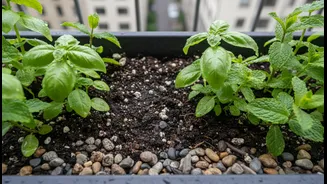
Prevention is always better than cure. Once your gnat problem is under control, maintain a strict watering discipline. Water your plants only when the top layer of soil is dry to the touch. Consider bottom-watering your plants—placing the pot in a tray of water for 30 minutes to let it soak up moisture from the base, which keeps the top soil layer dry. Adding a one-inch layer of sand or fine gravel on top of the soil can also create a physical barrier that prevents adult gnats from laying their eggs. Finally, continue to keep your balcony drains clear and ensure there is no standing water anywhere. Regular clean-ups of fallen leaves and other organic debris will remove potential food sources and breeding sites, helping you enjoy a peaceful, gnat-free monsoon season.