




What is Slow Travel, Really?
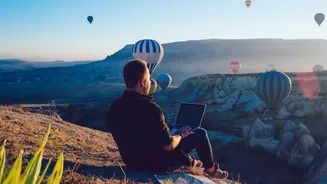
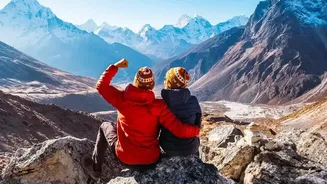
At its heart, slow travel is about prioritising quality of experience over quantity of destinations. It's a mindful approach that rejects the pressure of a checklist-style holiday. Instead of rushing between landmarks in different cities, a slow traveller
might spend an entire week or more in a single town or region. The goal isn't simply to move at a slower pace; it's to adopt a more intentional mindset. This means immersing yourself in the local environment, staying open to spontaneous experiences, and allowing your understanding of a place to unfold naturally rather than being dictated by a rigid schedule.
Finding the Rhythm of Daily Life
A typical two-day visit reveals a place's highlights, but a two-week stay reveals its heartbeat. By staying longer, you begin to see beyond the tourist-facing facade and observe the daily rhythms of local life. This could be as simple as discovering the best time to visit the morning market, learning the names of the staff at a neighbourhood café, or noticing the rituals of the community. These seemingly small details are the building blocks of culture. You might find yourself at a local football match, a neighbourhood temple ceremony, or simply sharing a conversation on a park bench—experiences rarely found in a guidebook but which offer a genuine glimpse into the soul of a place.
The Language of Local Cuisine
Food is one of the most accessible entry points into any culture, and slow travel allows you to explore it beyond tourist traps. With more time, you can discover where locals actually eat, from hidden food stalls to family-run eateries. A longer stay might enable you to take a cooking class that focuses on regional specialities, visit a farm to see how ingredients are grown, or even learn about traditional cooking methods. In India, for example, this could mean foregoing a generic restaurant to savour home-cooked meals at a homestay, where you can learn the subtle, household-specific variations of a regional dish.
Discovering Spontaneous Festivals and Events
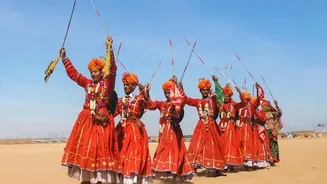
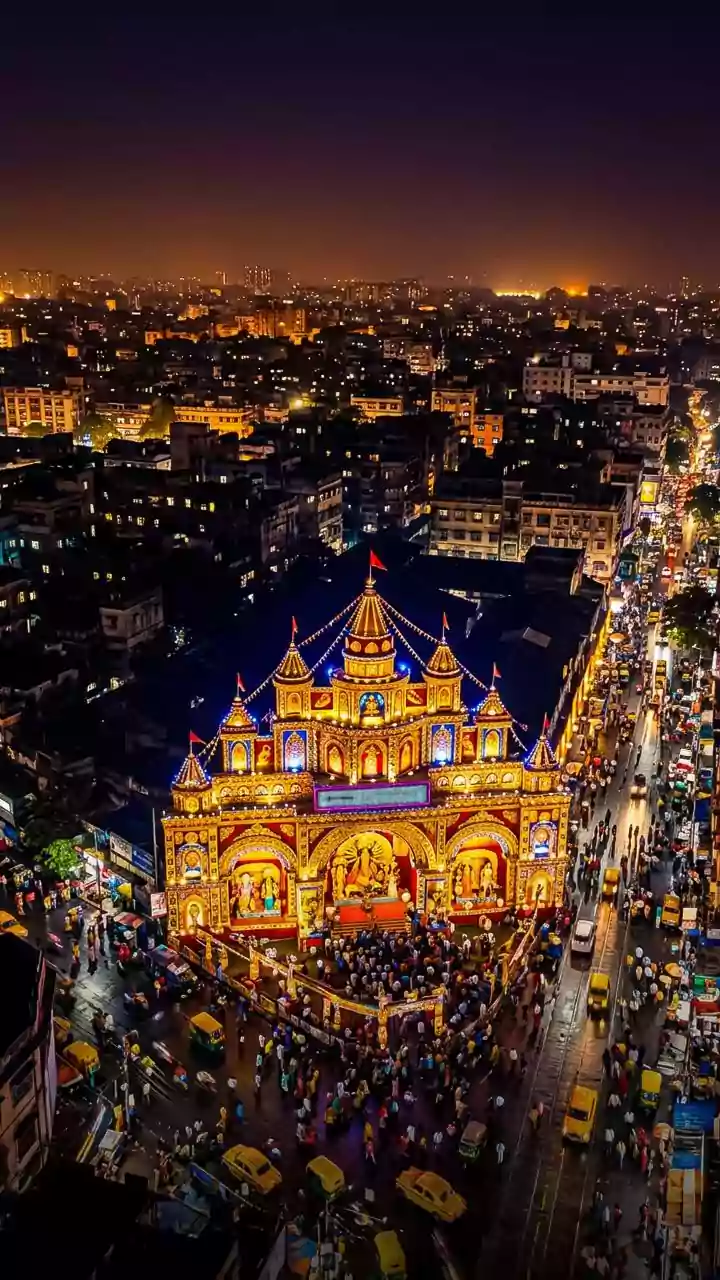
Major international festivals like La Tomatina in Spain are well-documented, but countless smaller, more intimate celebrations happen in towns and villages worldwide. A short trip is a gamble—you might miss a unique local event by a single day. A longer stay significantly increases your chances of stumbling upon these authentic celebrations. You could find yourself witnessing a local saint's day procession, a seasonal harvest festival, or a community gathering that offers a much deeper understanding of local beliefs and social bonds than any pre-packaged cultural show. These are the unexpected moments that often become the most cherished travel memories.
From Transactions to Lasting Connections
Perhaps the greatest reward of slow travel is the opportunity to build genuine human connections. Short trips often limit interactions to transactional encounters with hotel staff and tour guides. When you stay in one place, you become a temporary part of the community. This allows for deeper conversations and the formation of real friendships with residents, who are the true keepers of their culture's stories and traditions. These connections can lead to invitations into homes, sharing of stories, and an exchange that fosters mutual respect and understanding, transforming you from a mere visitor into a welcome guest.