


The 15-Second Raga
Scroll through Instagram Reels or YouTube Shorts, and you might encounter something unexpected between dance challenges and comedy sketches: the intricate melody of a sitar or the soulful strains of a sarod. A new generation of artists and content creators
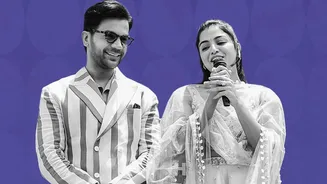
are using these platforms to share snippets of classical music, often pairing them with stunning visuals or contemporary aesthetics. These short, engaging clips make the music instantly accessible, stripping away the formal, intimidating aura it once had. Gen Z musicians like Mahesh Raghvan have gone viral by fusing Carnatic music with electronic sounds using mobile apps, creating a 'Tech Carnatic' style that resonates with a global, digitally-native audience. This isn't about diluting the form; for many new listeners, a 15-second Reel is their first, intriguing entry point into the vast world of ragas and talas.
The Remix Revolution
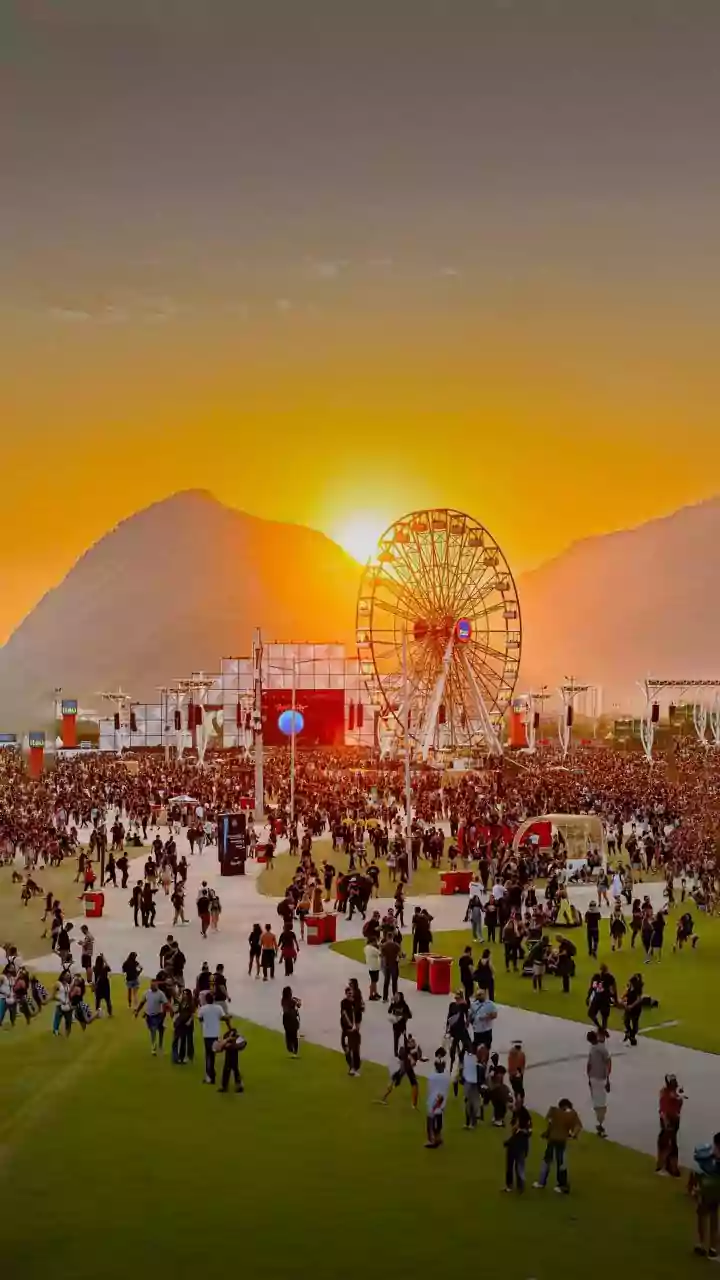
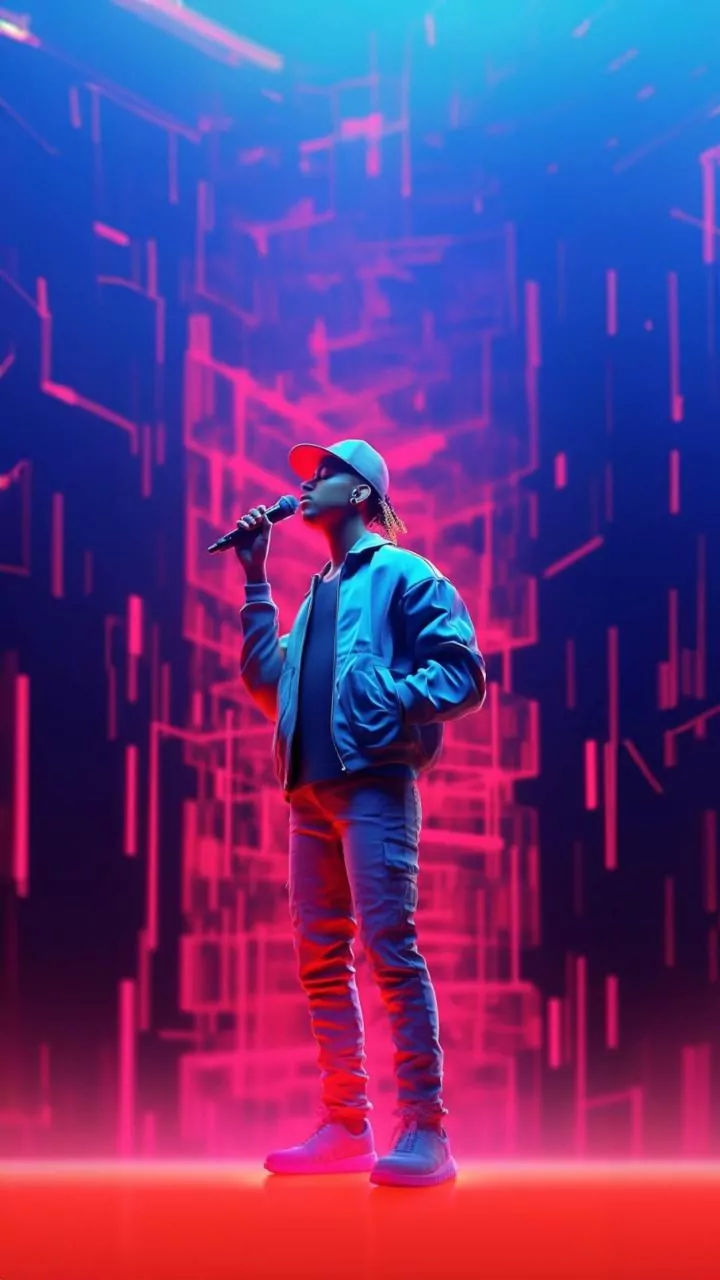
Beyond social media, the fusion of Indian classical with electronic music, hip-hop, and jazz is creating a vibrant new genre. Artists like Karsh Kale, Anoushka Shankar, and the band Indian Ocean have been pioneers, blending traditional instrumentation with modern beats for years. Today, this trend has accelerated, with producers and DJs sampling classical vocals and instruments to create tracks that fill festival grounds and club dance floors. This fusion isn't just happening on the fringes. Streaming platforms now feature curated playlists like 'Indian Classical Reinvented', spotlighting innovators who are reinterpreting tradition. The result is a sound that appeals to modern sensibilities while honoring its roots, proving that a thumri can coexist with a synth bassline.
Concerts Get a Makeover
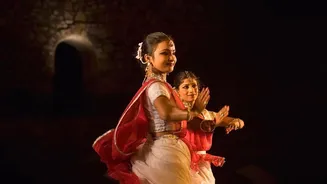
The way audiences experience live classical music is also transforming. While traditional sabhas remain vital, the art form is breaking out of formal auditoriums. A growing movement sees the return of intimate 'baithaks' or house concerts, where young audiences can gather on cushions, close to the artists, fostering a deep connection that large venues can't replicate. These gatherings are shedding their once-exclusive image, with ticketing now open to anyone curious enough to attend. At the same time, larger concerts are becoming more experiential, incorporating visual elements like themed backdrops to enhance the music. Concert durations have also adapted to modern attention spans, often becoming shorter and more fast-paced than the leisurely, hours-long performances of the past.
A Bridge Between Worlds
This resurgence is more than a passing trend; it represents a crucial evolution. For decades, many worried that classical music was losing its connection with younger generations, with some performers like A.R. Rahman noting the challenge of attracting young people to traditional concerts. This new wave of fusion and digital dissemination acts as a cultural bridge. It allows young people to connect with their heritage on their own terms. While some purists may argue that these modern adaptations compromise the integrity of the art form, many artists see it as essential for survival and growth. By meeting new listeners where they are—on their phones and in diverse, accessible venues—they are ensuring that this priceless tradition is not just preserved, but actively practiced and appreciated by the generations to come.