




The New Monsoon Travel Boom
What was once considered the off-season for tourism is now proving to be a major draw for Indian travellers. Instead of waiting for clear skies, a growing number of people are planning their holidays around rain-soaked landscapes, cooler temperatures,
and the appeal of less-crowded destinations. According to travel industry reports, there is strong year-on-year growth in domestic travel this monsoon, with bookings increasing across hotels, buses, and trains. Travel platforms have recorded a significant jump in overall hotel bookings, with some reporting increases of nearly 54% compared to the same period last year. This surge indicates a fundamental change in travel behaviour, where the monsoon is celebrated, not avoided.
Hotels and Resorts See Unprecedented Occupancy
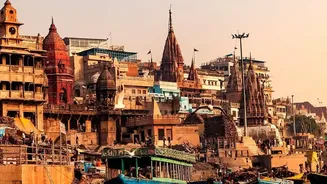
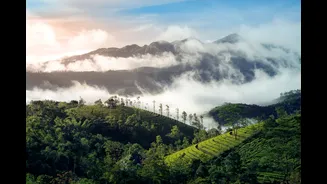
The demand is particularly visible in the hospitality sector. Hotels that once offered deep discounts to fill empty rooms are now seeing healthy occupancy rates. In popular hill stations like Munnar and Mussoorie, some platforms have recorded a nearly tenfold growth in hotel bookings compared to last year. Other destinations like Wayanad, Coorg, Ooty, and Lonavala have also seen bookings expand by about seven times. It’s not just traditional leisure spots; spiritual destinations such as Ayodhya, Varanasi, and Puri are also maintaining healthy occupancies. Even Goa, a classic monsoon getaway, continues to see robust demand, with some reports noting over 110% growth in hotel bookings.
The Rise of the Road Trip
A key driver of this trend is the growing preference for road travel. Bus bookings have seen a staggering surge, with some platforms reporting a 140% year-on-year increase. This reflects a rising appetite for shorter, more flexible trips that allow travellers to explore destinations at their own pace. The intercity bus market, projected to be worth over ₹1,04,000 crore by 2026, serves as the backbone for connectivity, especially to tier-2 and tier-3 cities where rail and air access may be limited. This boom in road travel highlights a move towards more accessible and budget-friendly holiday options, allowing more people to explore regional gems.
Embracing the Offbeat and Unexplored
Perhaps the most exciting aspect of this monsoon trend is the shift towards offbeat destinations. While classic getaways remain popular, travellers are increasingly venturing into new territories. The Northeast has emerged as a standout performer, with Nagaland and Arunachal Pradesh recording a 62% year-on-year rise in flight bookings and a more than 90% climb in hotel bookings. This suggests travellers are looking for more immersive and unique cultural experiences. Other destinations seeing a spike in interest include the rain-shadow regions of Ladakh and Spiti, the blooming Valley of Flowers in Uttarakhand, and the lush green coffee plantations of Coorg and Chikmagalur.
What is Driving This Shift?
Several factors are fuelling this monsoon travel phenomenon. The trend is driven by travellers seeking immersive wellness, nature-based, and cultural experiences rather than just ticking off destinations. The rise of 'experience-led' travel means people are choosing locations that align with their personal interests. Social media plays a role, with vibrant images of mist-covered hills and roaring waterfalls inspiring others to explore. Furthermore, the travel industry itself has adapted, with hotels and travel companies offering attractive monsoon packages and deals that make seasonal travel more appealing. This shift is less about post-pandemic 'revenge travel' and more about a deeper, sustained interest in domestic exploration.