


Peru is the destination of a lifetime, home to ancient wonders and breathtaking landscapes. But the very popularity of its most famous sites can lead to an experience diminished by crowds. Here’s how to plan a smarter trip.
The Challenge of 'Too Much' Tourism
The idea of a place being 'overrated'
often has less to do with the site itself and more to do with the conditions you experience it in. Overtourism is a major issue at Peru's top attractions. At its worst, it means crowded photos, long queues, environmental strain, and a feeling that you're on a conveyor belt rather than an adventure. This is especially true for world-famous sites like Machu Picchu and Rainbow Mountain, where visitor numbers have surged. The result is a highly regulated and sometimes stressful experience that can feel disconnected from the magic that made these places famous. But a truly memorable Peruvian adventure is still possible—it just requires a shift in perspective and planning.
Navigating Machu Picchu Intelligently
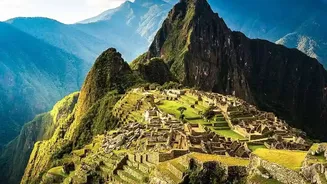
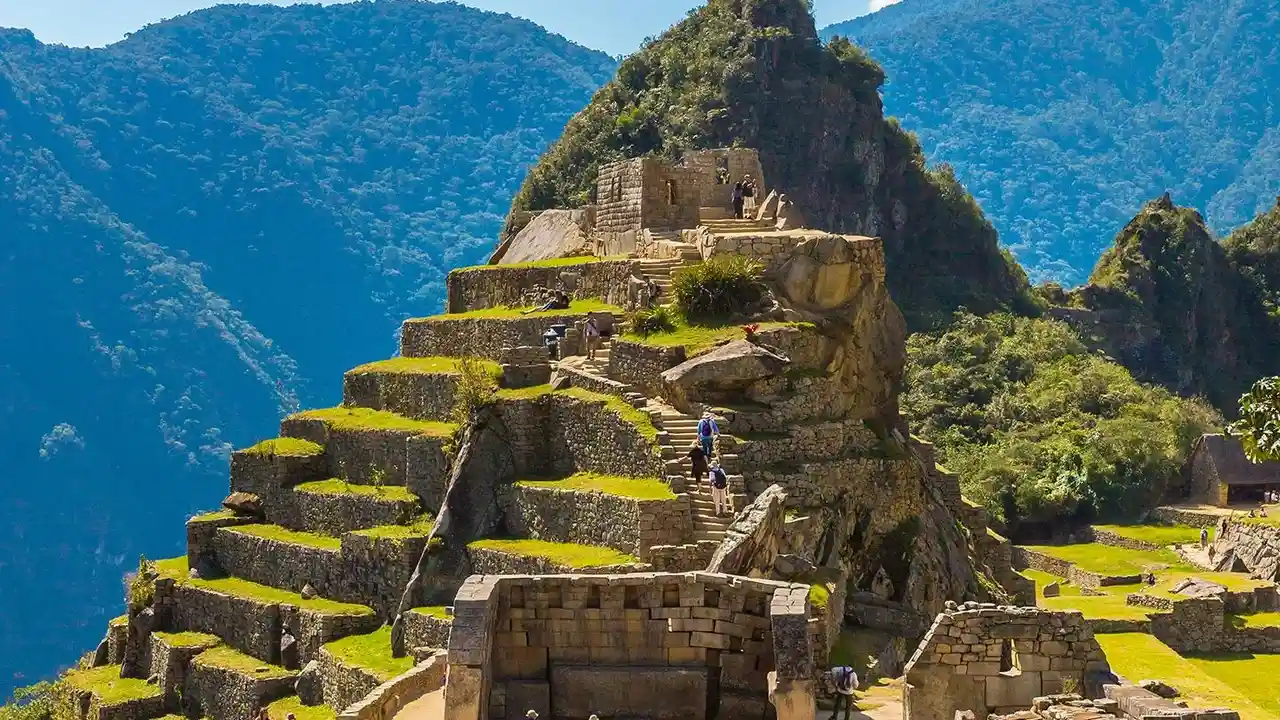
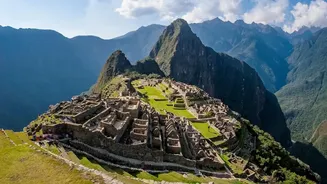
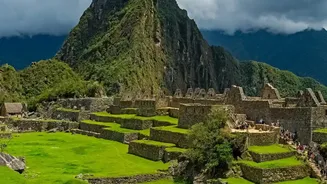
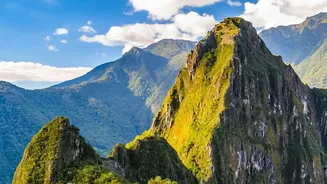
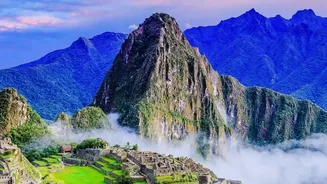
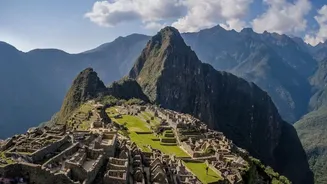
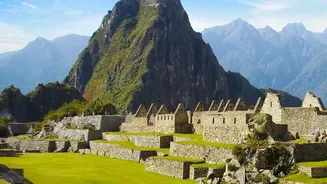
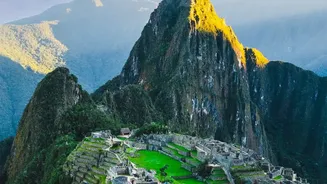
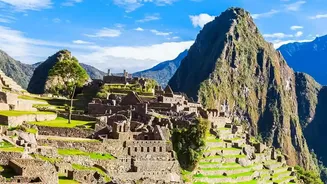
Machu Picchu is not overrated; it is simply overwhelmed. To protect the site, authorities have implemented strict rules: timed-entry tickets, mandatory one-way circuits, and a limit on daily visitors. Forget spontaneous visits; you must book tickets and trains months in advance. To make the most of it, aim for the shoulder seasons—April, May, September, and October—which offer a good balance of pleasant weather and fewer people than the peak months of June to August. Consider booking one of the very first or very last time slots of the day. The early morning may be misty, but crowds are thinner. By late afternoon, many day-trippers have left, leaving the citadel bathed in a softer light with more room to breathe.
The Reality of Rainbow Mountain
Vinicunca, or Rainbow Mountain, became an Instagram sensation after melting glaciers revealed its colourful stripes around 2015. This led to an explosion in tourism, with up to a thousand or more visitors per day making the high-altitude trek. The reality can be a line of people snaking up a 17,000-foot peak, significant trail erosion, and a view that depends heavily on good weather. For a less crowded experience, consider visiting the alternative Palccoyo Rainbow Mountain. It offers a similar visual spectacle with three distinct rainbow-hued mountains but involves less strenuous hiking and draws far smaller crowds, allowing for a more peaceful appreciation of the Andes.
Embrace the Quieter Treks
The fournday Inca Trail is legendary, but its popularity means permits sell out many months in advance. Fortunately, Peru offers spectacular alternative treks that deliver similar rewards with more solitude. The Salkantay Trek is a popular choice, taking you through diverse landscapes from snowcapped passes to cloud forests before arriving at Machu Picchu. For a deeper cultural connection, the Lares Trek winds through traditional Andean villages where you can interact with local communities. For the truly adventurous, the Choquequirao Trek is a challenging multiway hike to a vast, remote Inca city often called Machu Picchu's 'sacred sister'. With only a handful of visitors each day, Choquequirao offers the sense of discovery that has become rare at more famous sites.
Explore Beyond the Beaten Path
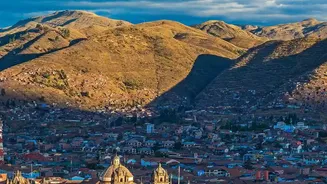
The overtourism conversation is centered on a few key locations, but Peru is a vast and diverse country. Instead of focusing solely on Cusco and the Sacred Valley, consider exploring other regions. In the north, you'll find Kuélap, a massive pre Inca fortress of the Chachapoyas culture, accessible via a cable car. The city of Arequipa, with its stunning white volcanic stone architecture, serves as a gateway to Colca Canyon, one of the world's deepest canyons and a prime spot for viewing Andean condors. Lake Titicaca, the world's highest navigable lake, offers unique cultural experiences on its floating reed islands. By venturing beyond the main tourist circuit, you not only avoid the crowds but also spread the economic benefits of tourism to more communities.