







The Silent Epidemic in Our Offices
India's corporate and IT sectors are booming, but this growth is built on millions of hours spent sitting. Professionals in cities like Bengaluru, Mumbai, and Gurugram often spend over eight hours a day at a desk, a figure magnified by long commutes.
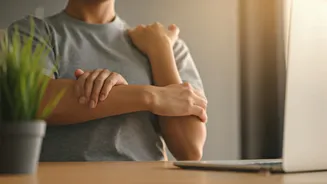
This prolonged sedentary behaviour is linked to a host of health issues. Studies show that individuals in desk-bound jobs in India are significantly more likely to develop abdominal obesity, which is a key risk factor for type 2 diabetes and cardiovascular diseases. The prevalence of musculoskeletal discomfort is also alarmingly high, with neck, back, and shoulder pain affecting over half of all office workers. This isn't just about physical discomfort; it impacts focus, energy levels, and overall productivity, creating a hidden cost for both employees and companies.
The Rise of Corporate Wellness
In response, Indian companies are moving beyond basic gym memberships and are embracing a more holistic view of employee health. Corporate wellness is no longer seen as a perk but as a strategic necessity to attract and retain talent, reduce absenteeism, and boost performance. This shift involves a focus on mental health support, flexible work arrangements, and, crucially, the promotion of physical movement throughout the workday. Ergonomics, the science of designing the workplace to fit the worker, is becoming a key conversation. Companies are recognizing that investing in adjustable chairs, sit-stand desks, and encouraging movement isn't just about comfort—it's about creating a sustainable and productive work environment.
Why the Media Industry Is a Hotspot
The trend of in-office wellness is particularly visible within the corporate media landscape. Newsrooms and digital media houses are high-pressure, deadline-driven environments notorious for long and irregular hours. The constant screen time and mental stress create a perfect storm for physical and mental fatigue. For these organisations, promoting quick, accessible wellness solutions like desk stretches is a practical way to combat burnout. It offers a micro-break that can improve mental clarity, reduce physical strain, and foster a sense of community when done together. This visibility also creates a feedback loop, where media professionals who experience the benefits are more likely to cover and amplify the trend, further cementing its place in the corporate zeitgeist.
Movement as Medicine: The Simple Science
The power of a desk stretch lies in its simplicity and immediate impact. Taking even a few minutes to move can counteract the negative effects of a static posture. Stretching increases blood circulation, delivering more oxygen to your muscles and brain, which can help fight off afternoon lethargy and improve concentration. It enhances flexibility, realigns posture, and relieves tension in hotspots like the neck, shoulders, and lower back. These small movements, sometimes called 'exercise snacking', are becoming a popular alternative to a coffee break, offering a reset button for both body and mind. The goal isn't a full workout, but to break the cycle of stillness and awaken the body.
Three Essential Desk Stretches to Try Now
You don't need a yoga mat or a gym to feel better. Here are three simple stretches you can do at your desk: 1. Seated Spinal Twist: Sit tall with your feet flat on the floor. Gently twist your torso to the right, using your chair for support. Hold for 20 seconds, feeling the stretch in your spine, then repeat on the left side. This is great for relieving lower back stiffness. 2. Neck and Shoulder Release: Drop your chin to your chest and slowly roll your right ear toward your right shoulder. Hold for 15-30 seconds, then repeat on the other side. Afterwards, roll your shoulders up and back ten times to release tension from typing. 3. Seated Figure-Four Stretch: While seated, cross your right ankle over your left knee. Keeping your back straight, gently lean forward until you feel a stretch in your right hip and glute. Hold for 20-30 seconds and switch sides. This helps open up tight hips from prolonged sitting.